
Windows & Doors Insights & Buying Guides
Start here: two guides
How to specify aluminium windowsThe sequence behind a schedule: the standard, the glass, the frame, the operation, the finish, and the interface with the wall that decides the warranty.Read the guide →Importing aluminium windows from ChinaFive decisions that lock in order: what the unit has to prove, what it is made of, how it travels, what it costs to land, and who owns the risk on site.Read the buyer guide →
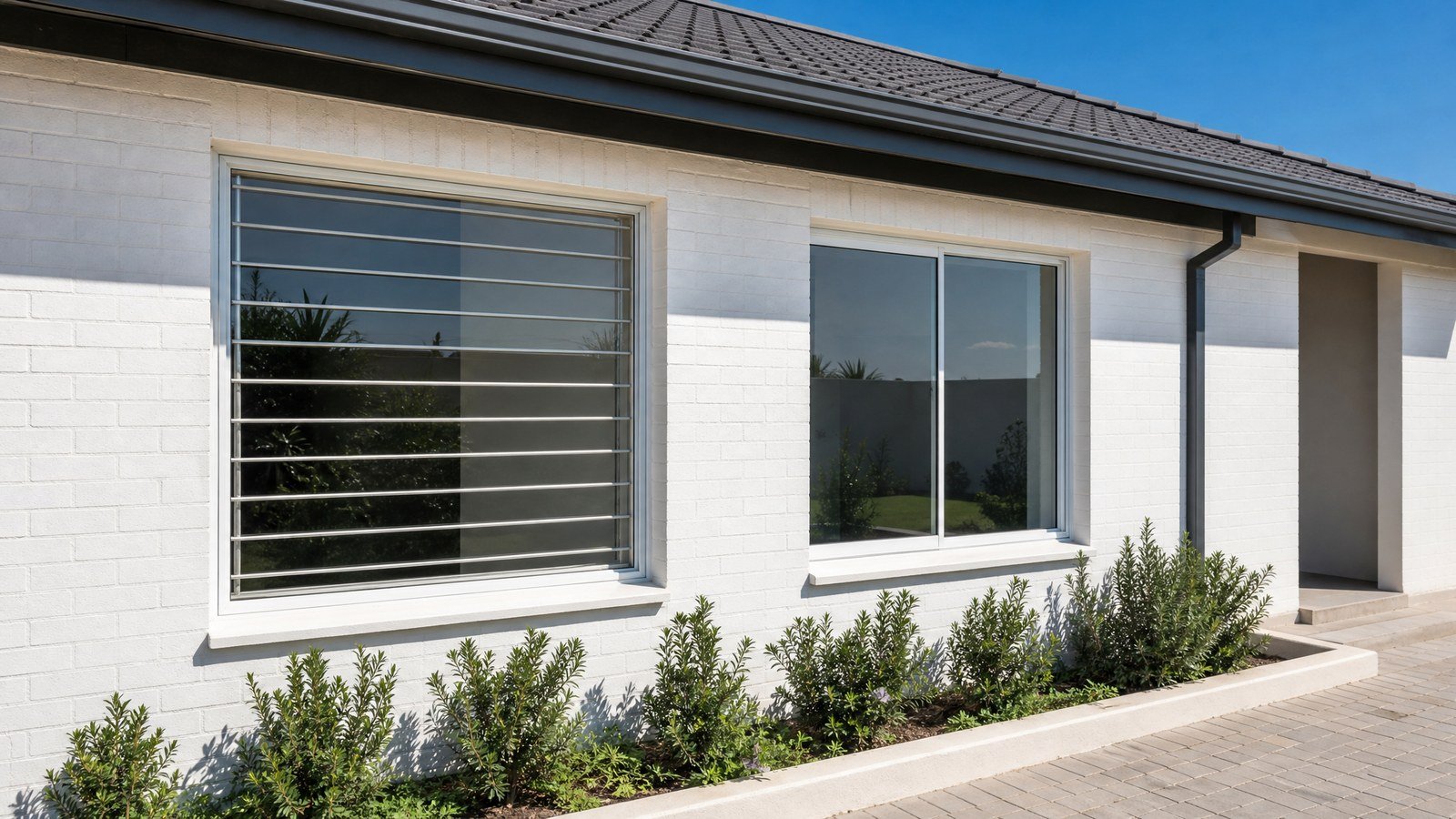
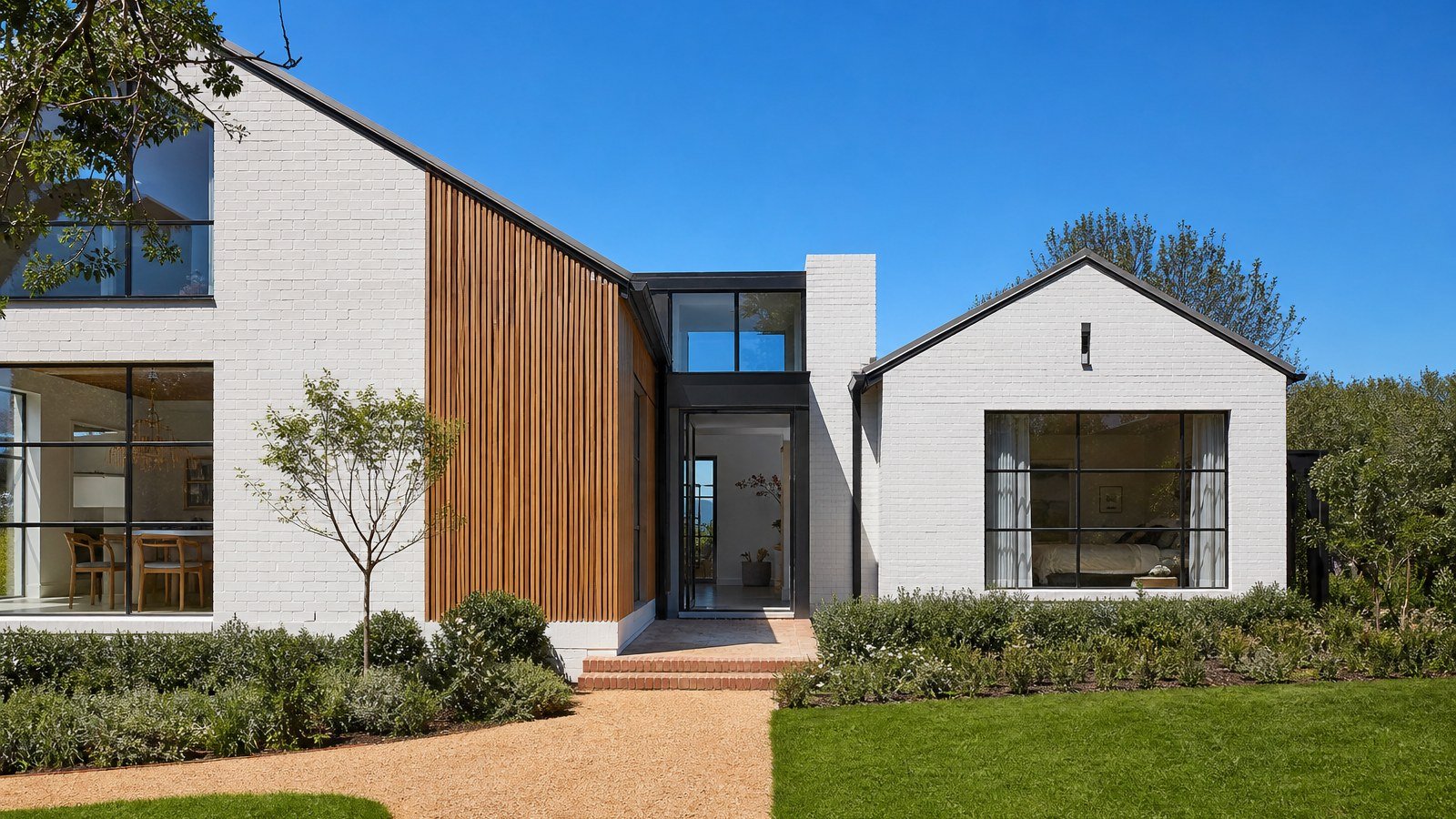 ComplianceAluminium Windows South Africa: the spec that passesAdam Windows Team • November 2, 2026The question behind every aluminium windows south Africa order is the same: which line does the schedule state, and which document proves it. The answer is a three-line specification — the safety line in SANS 10400-N, the energy line in SANS 10400-XA, and the document chain the AAAMSA selection guide closes the project with — with a 15 percent threshold that decides how much of it the building actually triggers.Read more →
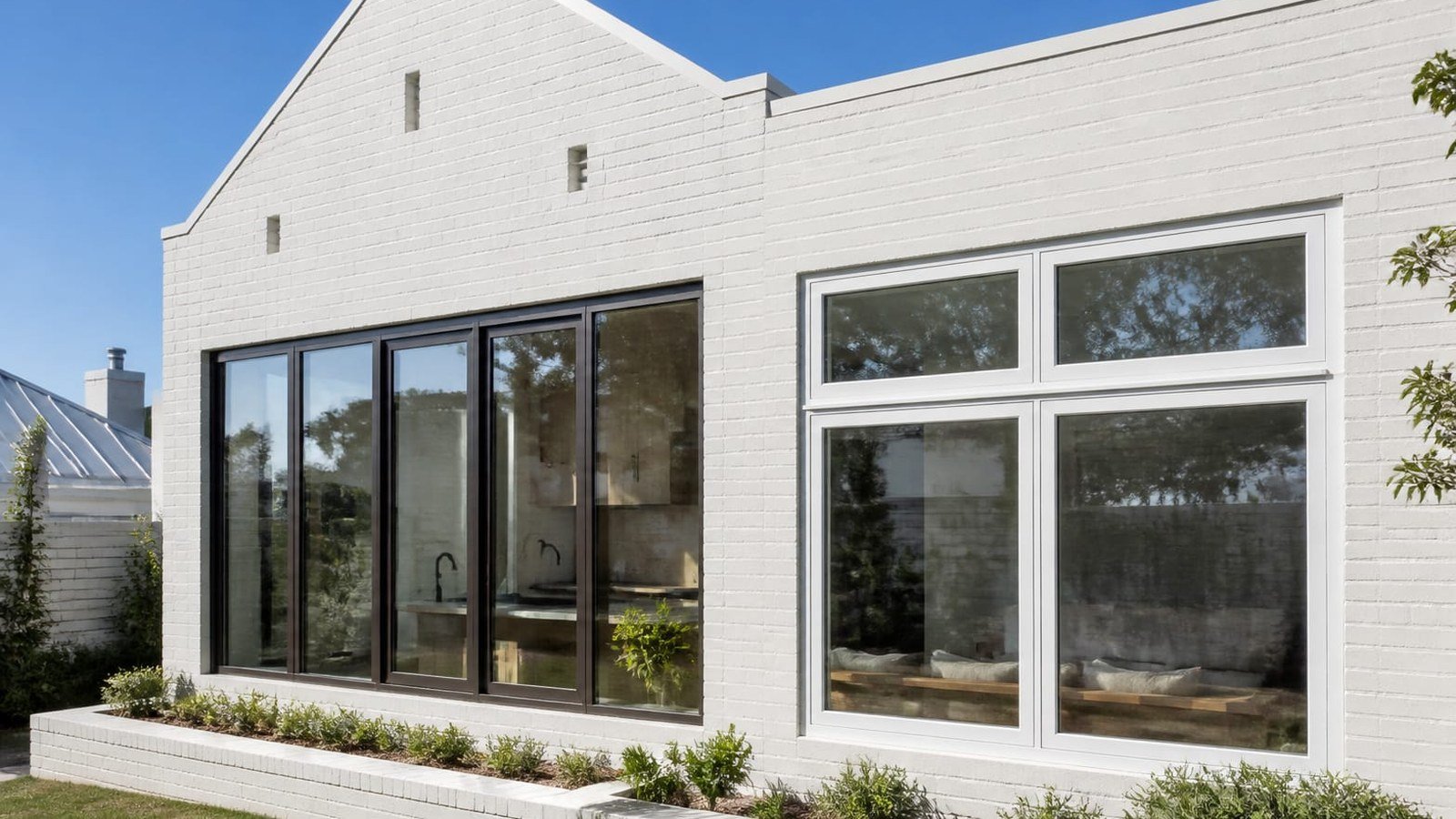 ComparisonsuPVC Windows vs Aluminium Windows: the South Africa callAdam Windows Team • November 2, 2026The material call behind most South African window orders is the one that divides the drawing offices: uPVC windows vs aluminium windows, and the schedule is where the decision lives. It is settled with three lines — the energy line against SANS 10400-XA, the durability line against the six climate zones, and the import line that decides what the container actually carries. This piece runs those three lines for both frames, names where each one wins, and closes with the document pack that keeps the call defensible at tender.Read more →
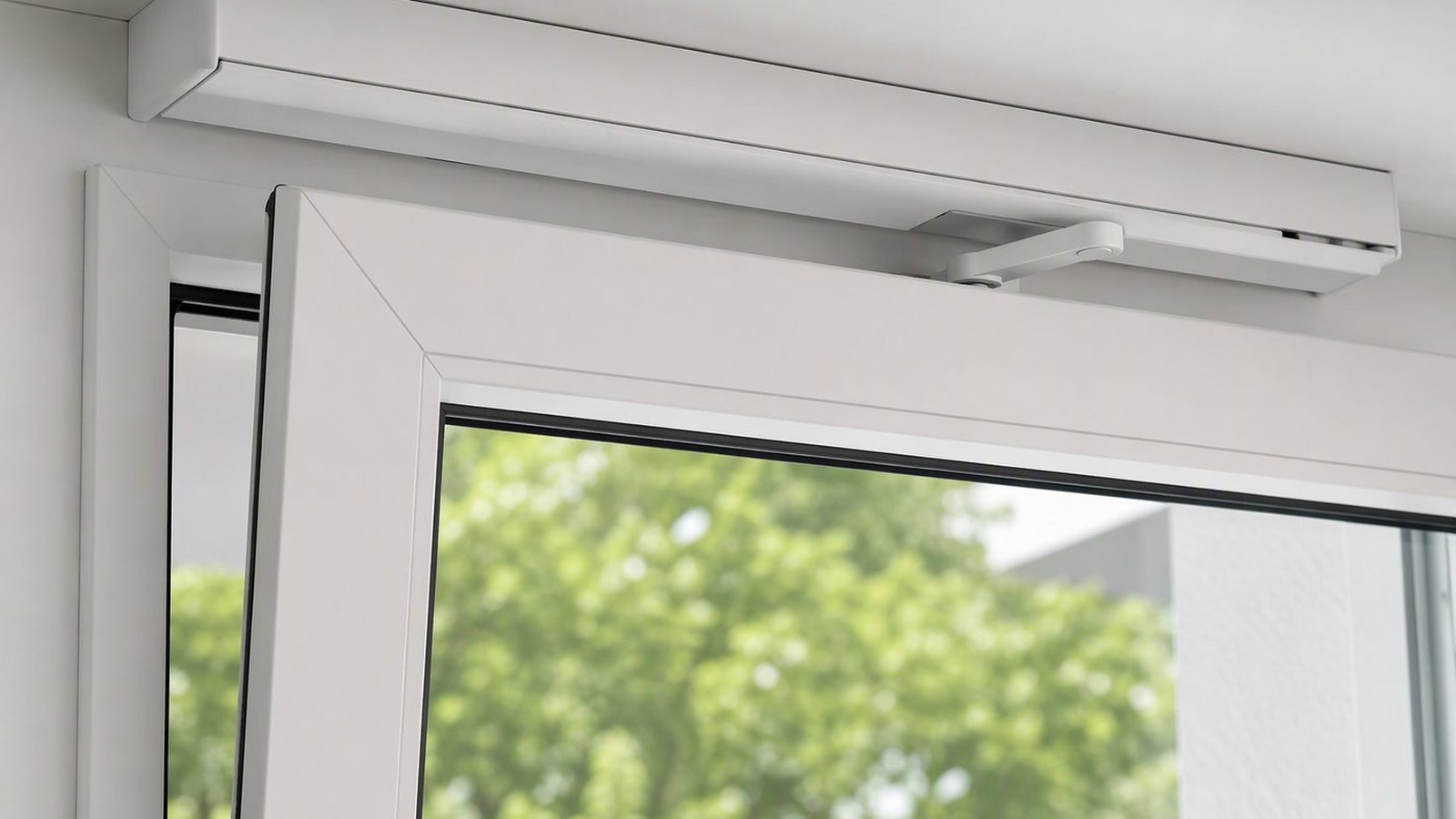 SpecifyingMotorized windows: what a glass wall actually needsAdam Windows Team • November 1, 2026A motorized window is the one part of a facade where the product, the machine and the fire strategy meet in a single opening. The window is rated as a window. The drive is a separate appliance with its own safety standard. Where the opening also vents smoke, a third certificate covers the assembly. Most of the problems on site come from treating those three as one purchase.Read more →
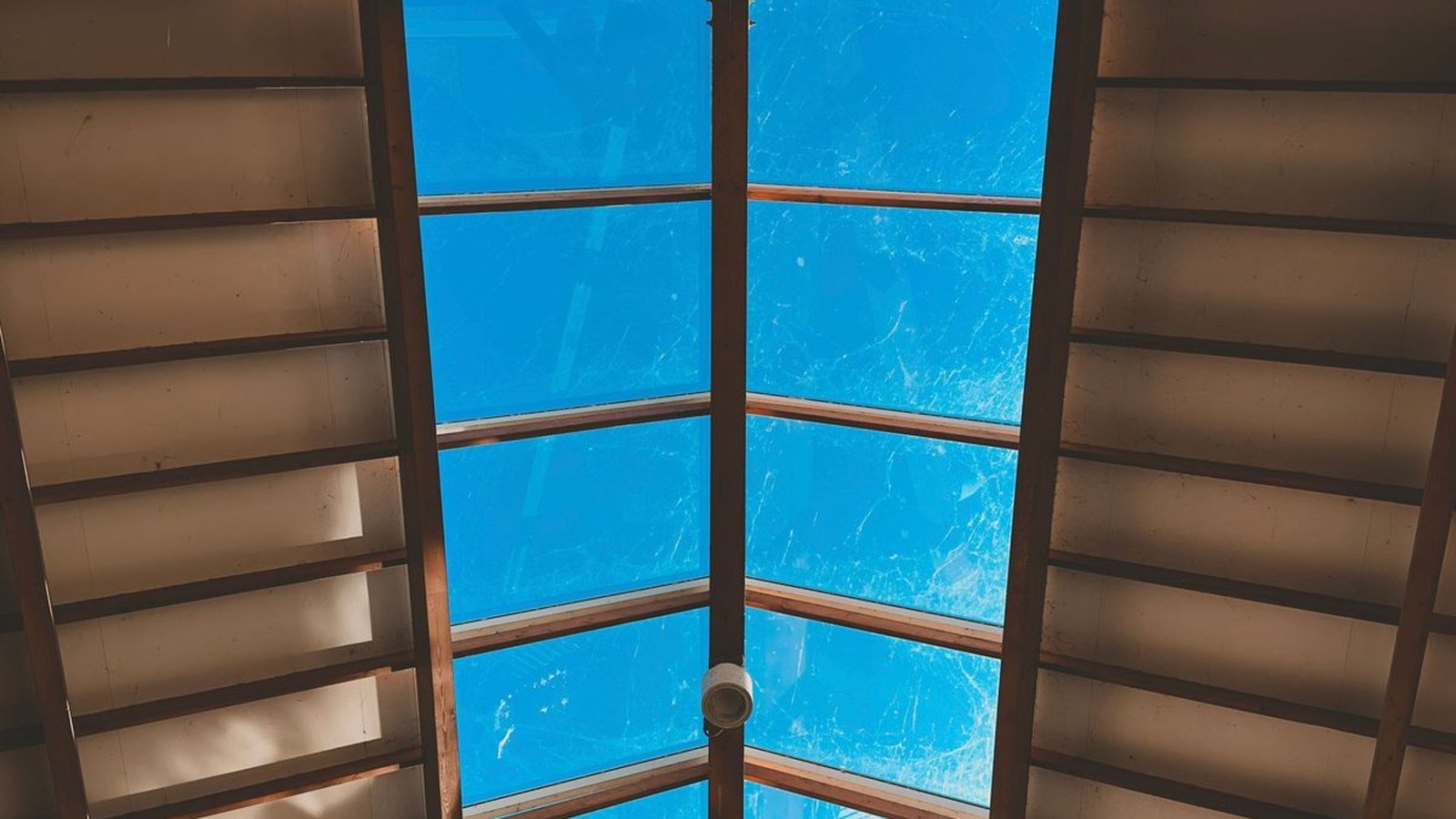 ComparisonsSkylights vs roof windows: light, leakage and service lifeAdam Windows Team • October 25, 2026Two products arrive on the same roof with the same job and different obligations. One is a window that happens to sit in a pitched roof, reachable by hand and openable, and counted as the room opening. The other is a factory glazed unit built to deliver light, usually out of reach and often standing on a curb. The skylight vs roof window decision starts with one measurement, arm length.Read more →
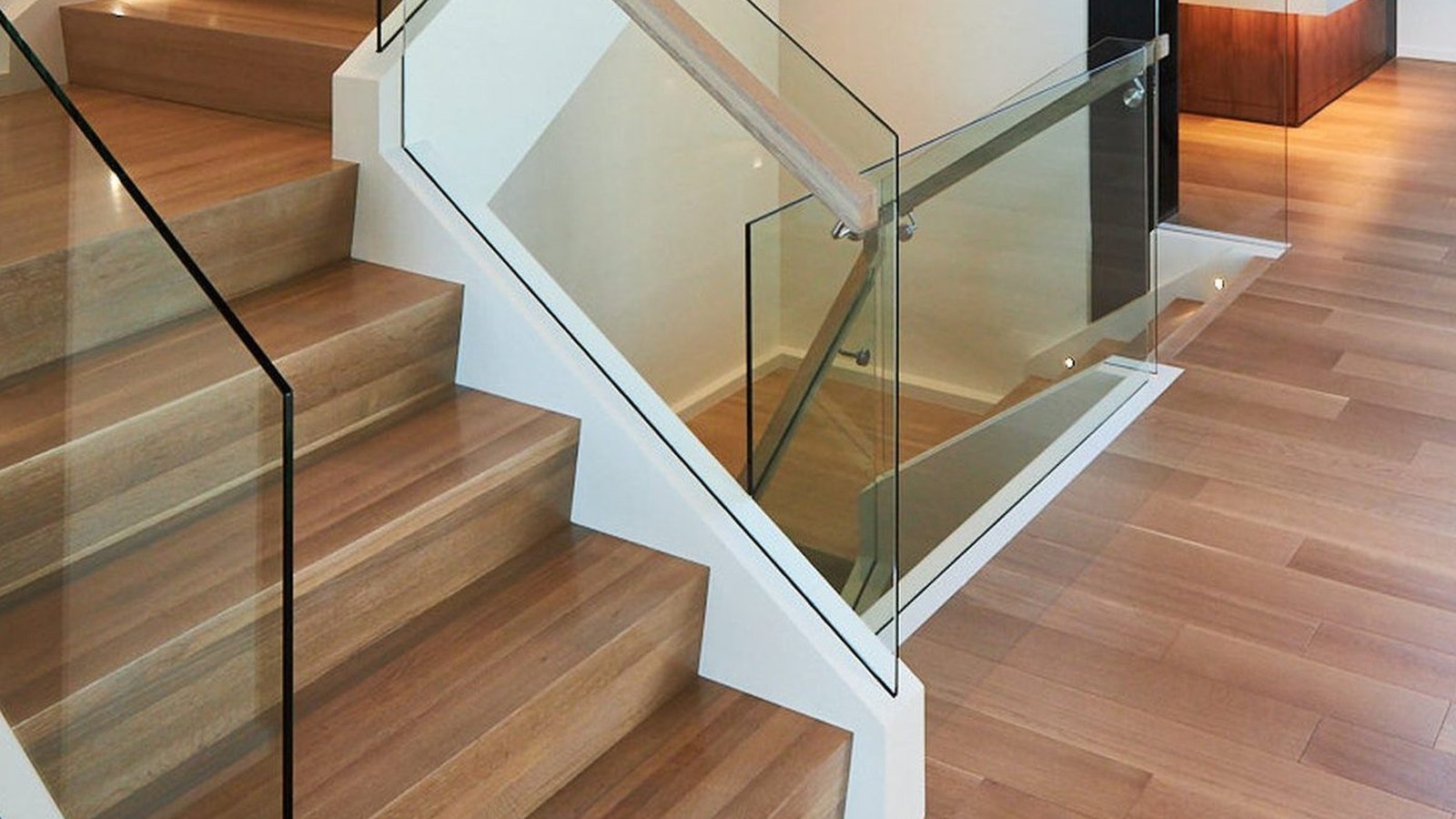 SpecifyingGlass railing specification: the post-free balustradeAdam Windows Team • October 23, 2026A post-free glass railing does two jobs at once: it stops a person falling, and it removes everything that would normally do that work. The barrier duty sets the load, the height and the post-breakage requirement, and the glass build and the channel are chosen to satisfy them. Four numbers decide the panel, and all four are settled before the sightline is drawn.Read more →
 LogisticsImporting aluminium windows from China: a buyer guideAdam Windows Team • October 21, 2026Importing aluminium windows from China is a sequence of five decisions, and each one locks the next: what the unit has to prove, what it is made of, how it travels, what it costs to land, and who is standing on site when the crate opens. This guide walks the sequence and points to the detailed piece behind each step.Read more →
 SpecifyingHow to specify aluminium windows: the builder guideAdam Windows Team • October 21, 2026How to specify aluminium windows is a question about sequence. The performance standard decides the glass, the glass decides the weight and the frame depth, the operation decides the hardware and the threshold, and the interface with the wall decides whether the warranty survives the first winter. This guide sets out that order, with the detailed piece behind each step.Read more →
 MarketsRénoclimat window rebate: the conditions a unit must meetAdam Windows Team • October 20, 2026A Rénoclimat window rebate pays a fixed amount for every existing rough opening where an ENERGY STAR certified unit is installed, and the money follows the paperwork rather than the product. A model that is not on the Canadian certified list cannot be claimed at all, and work finished before the pre-renovation energy evaluation cannot be claimed either.Read more →
 LogisticsWindow distributor terms: what the agreement coversAdam Windows Team • October 19, 2026A window distributor is not buying a different product. The factory, the systems and the test reports are the ones a project buyer gets. What changes is the packaging: an order specified once and rebuilt on the next one, service kits and spares pre-allocated per unit, freight planned against container counts, not square metres, and warranty schedules written into a contract, not a brochure. This piece sets out what the programme contains, which numbers are commitments and which are targets, and which questions have to be settled in writing before the first order.Read more →
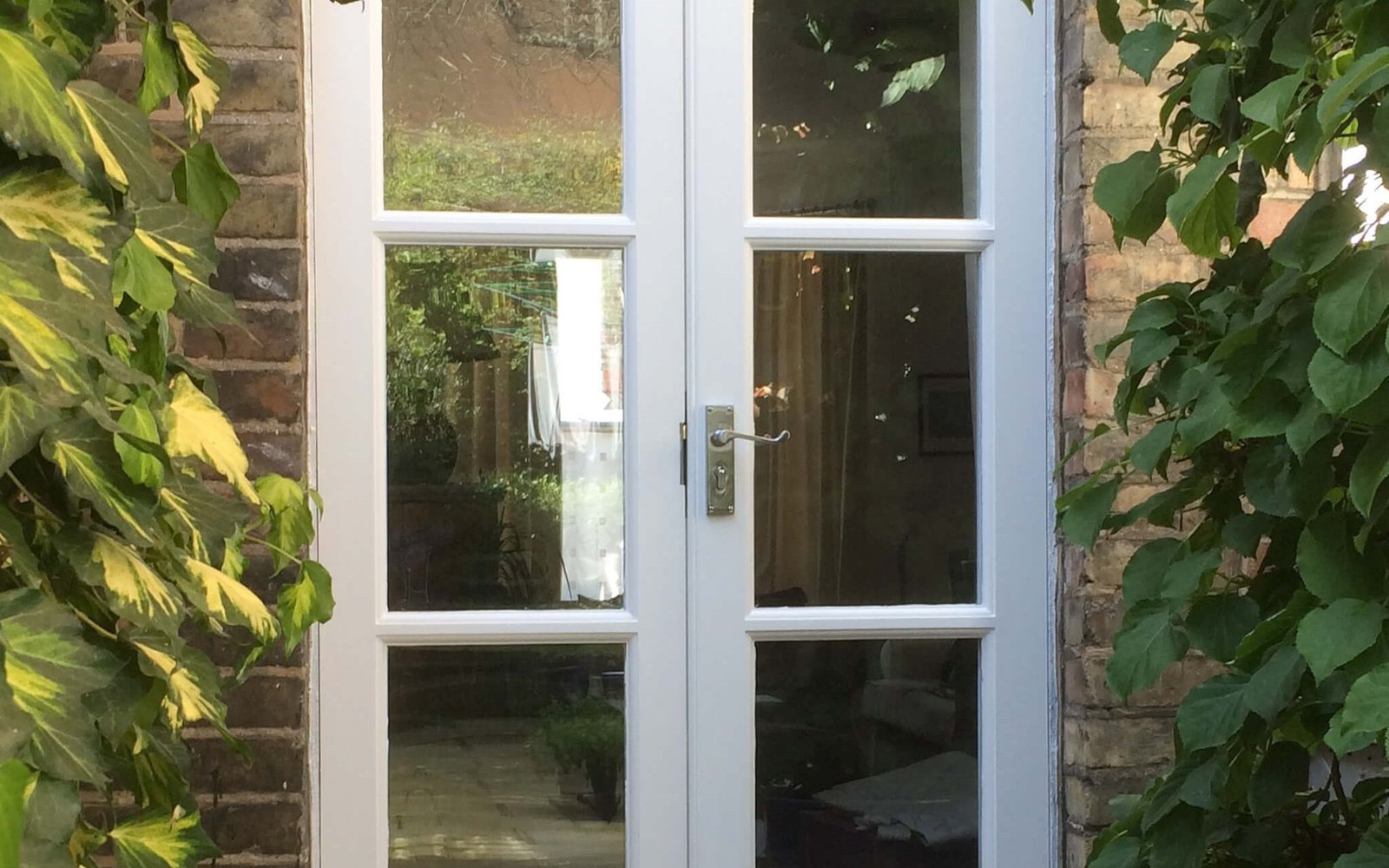
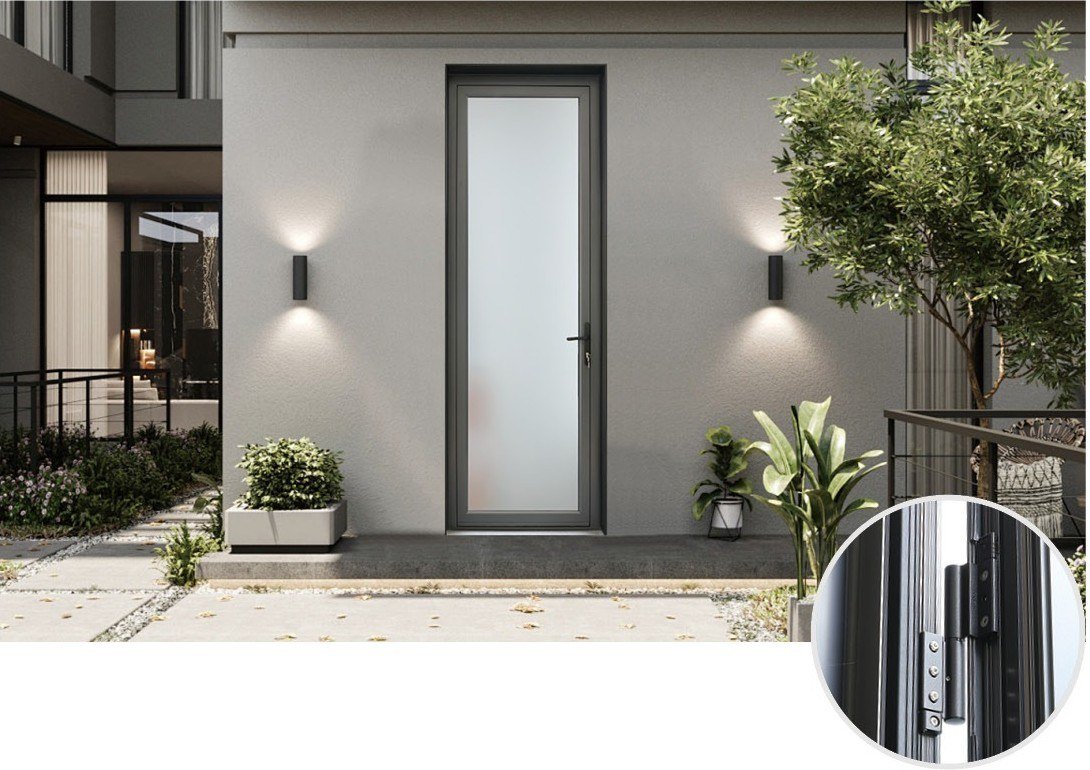
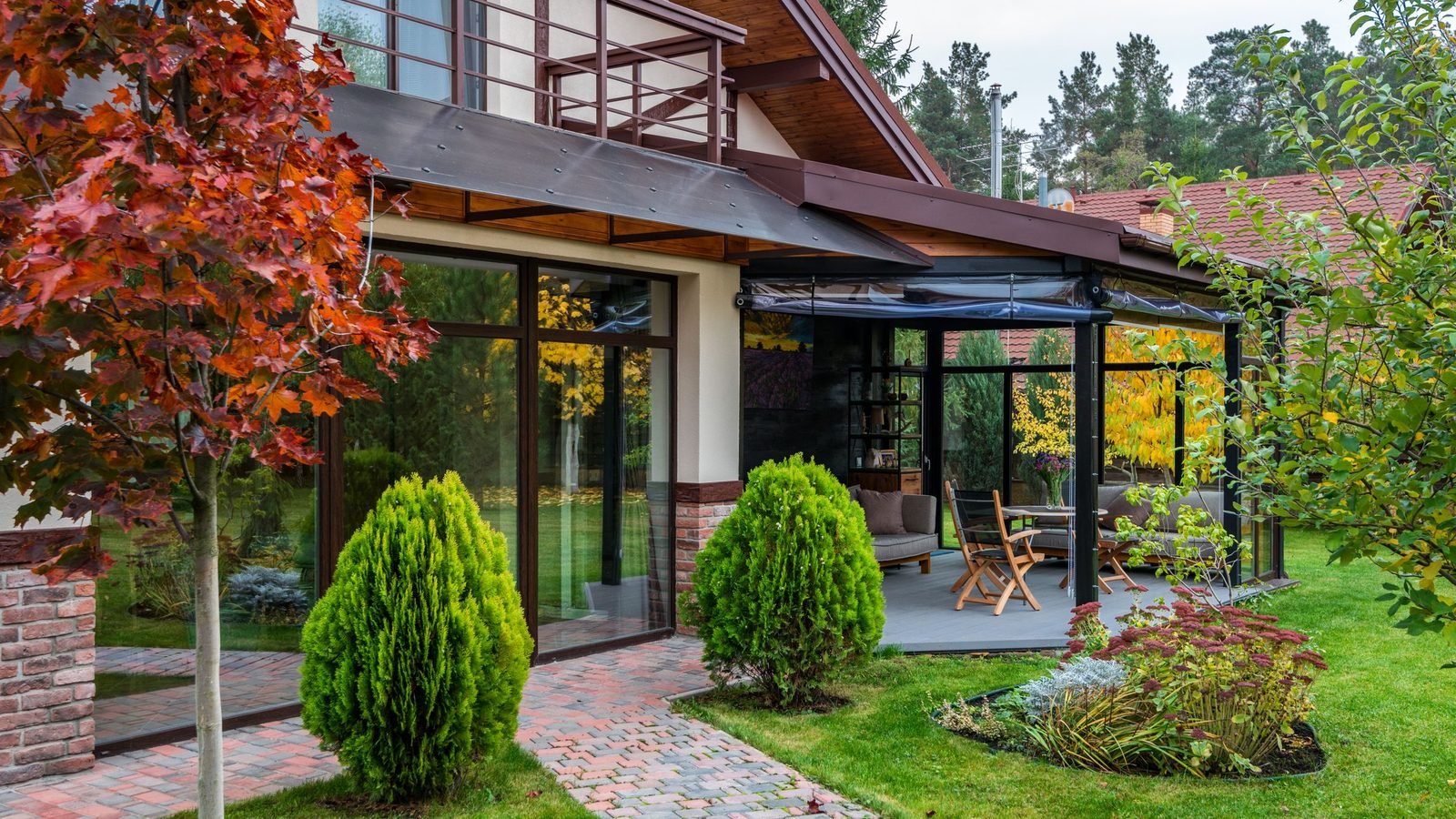 SpecifyingAluminium french doors: what the schedule has to stateAdam Windows Team • October 19, 2026Aluminium french doors are two full-glass hinged leaves on one frame, locked to each other, not to the jamb. The FD-60 line runs each leaf to 1,000 × 2,400 mm on a concealed surface hinge, with a central multi-point lock engaging at six points across the meeting stile. That is the whole product. The specification questions are narrower than the product: which leaf sizes, which glass build for which position, what the hinge and the lock are rated to, where the threshold sits, and which document the submittal names. This piece works through those five, and separates the two standards that get confused most often.Read more →
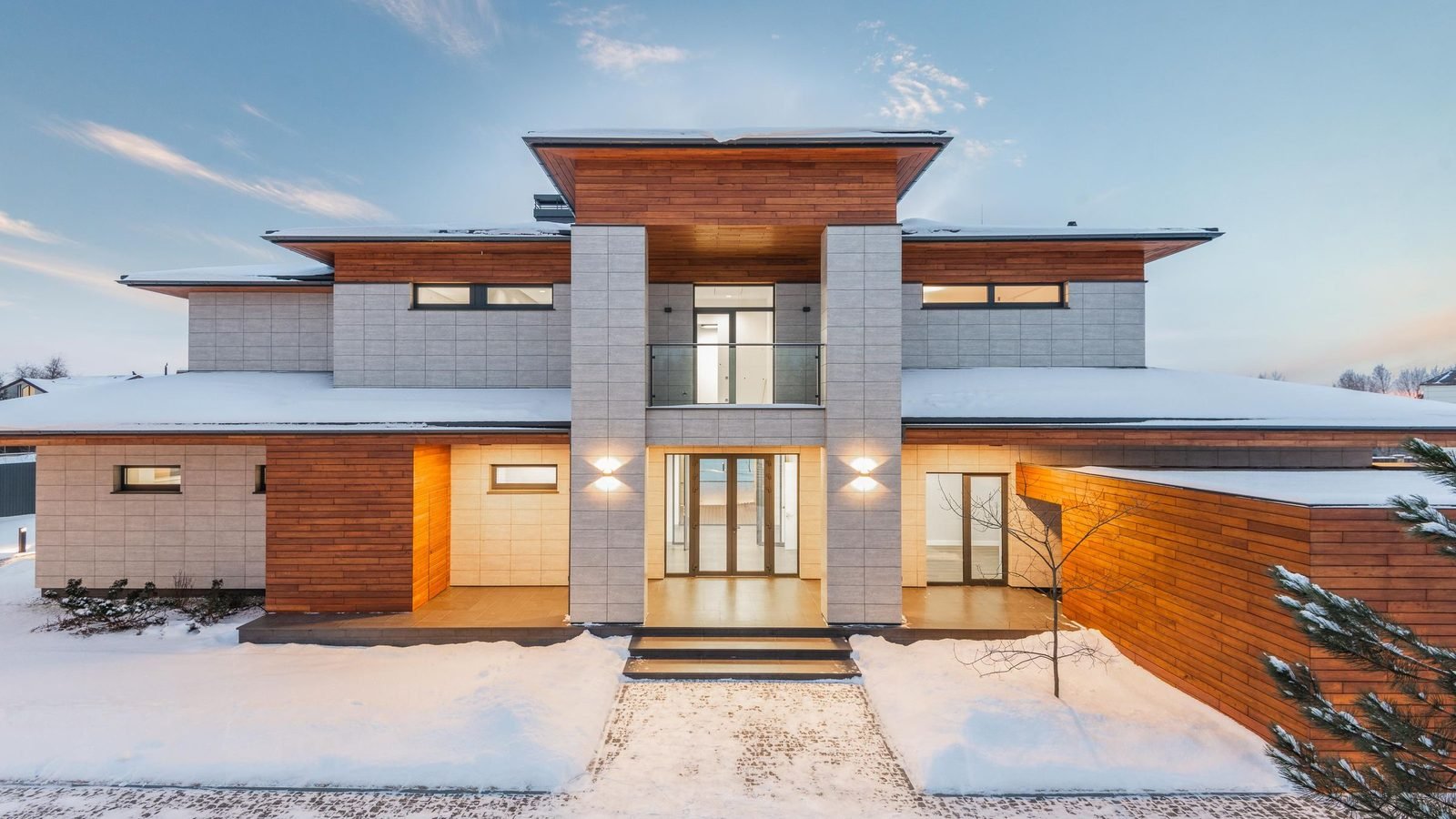 ComplianceCSA A440S1, the Canadian supplement a US report missesAdam Windows Team • October 19, 2026The Canadian supplement is a separate document, and a window that carries a full North American Fenestration Standard report from a United States laboratory can still fail on it. CSA A440S1:25 sits beside AAMA/WDMA/CSA 101/I.S.2/A440:22 and not inside it, and it changes four things that matter to an order: the air leakage levels, the way exfiltration is tested, the water resistance figure, and what the label has to state. A European, British or ISO report does not enter the discussion at all. This piece sets out what the supplement asks for, which numbers move, and what a submittal has to carry before a unit is sold into Canada.Read more →
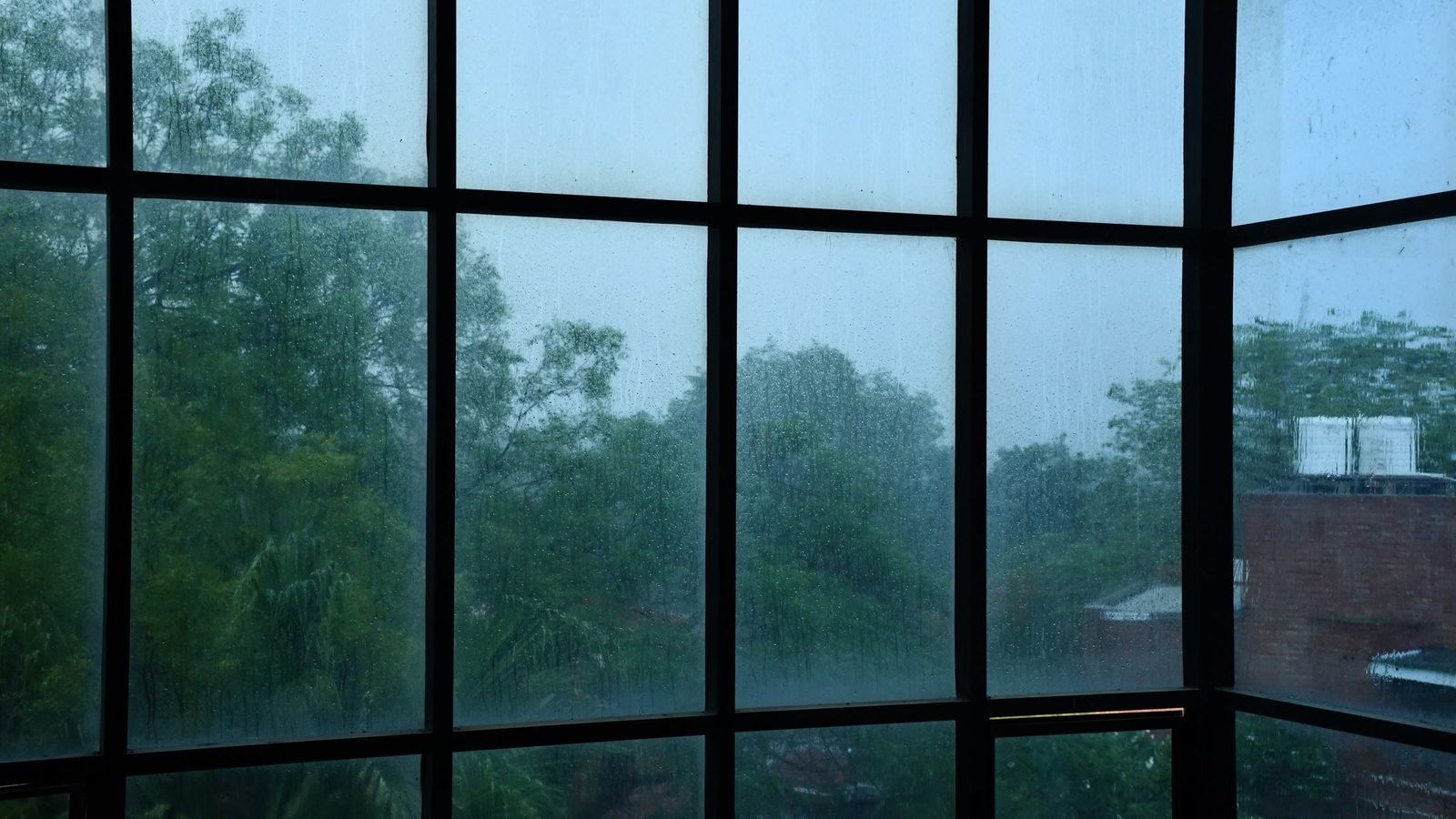 ComplianceDriving rain wind pressure: the water load Canada tests toAdam Windows Team • October 19, 2026In the American route the water resistance of a window is a percentage of its design pressure. In Canada it is a climate load, read from a table by municipality and adjusted for terrain and for height above grade, and it carries its own name: the driving rain wind pressure. The two methods answer different questions. One asks how strong the assembly is. The other asks how hard it rains sideways at the address. On a Canadian submittal the second number decides the order, and a test report that quotes a class and a grade without a water figure in pascals does not close the file.Read more →
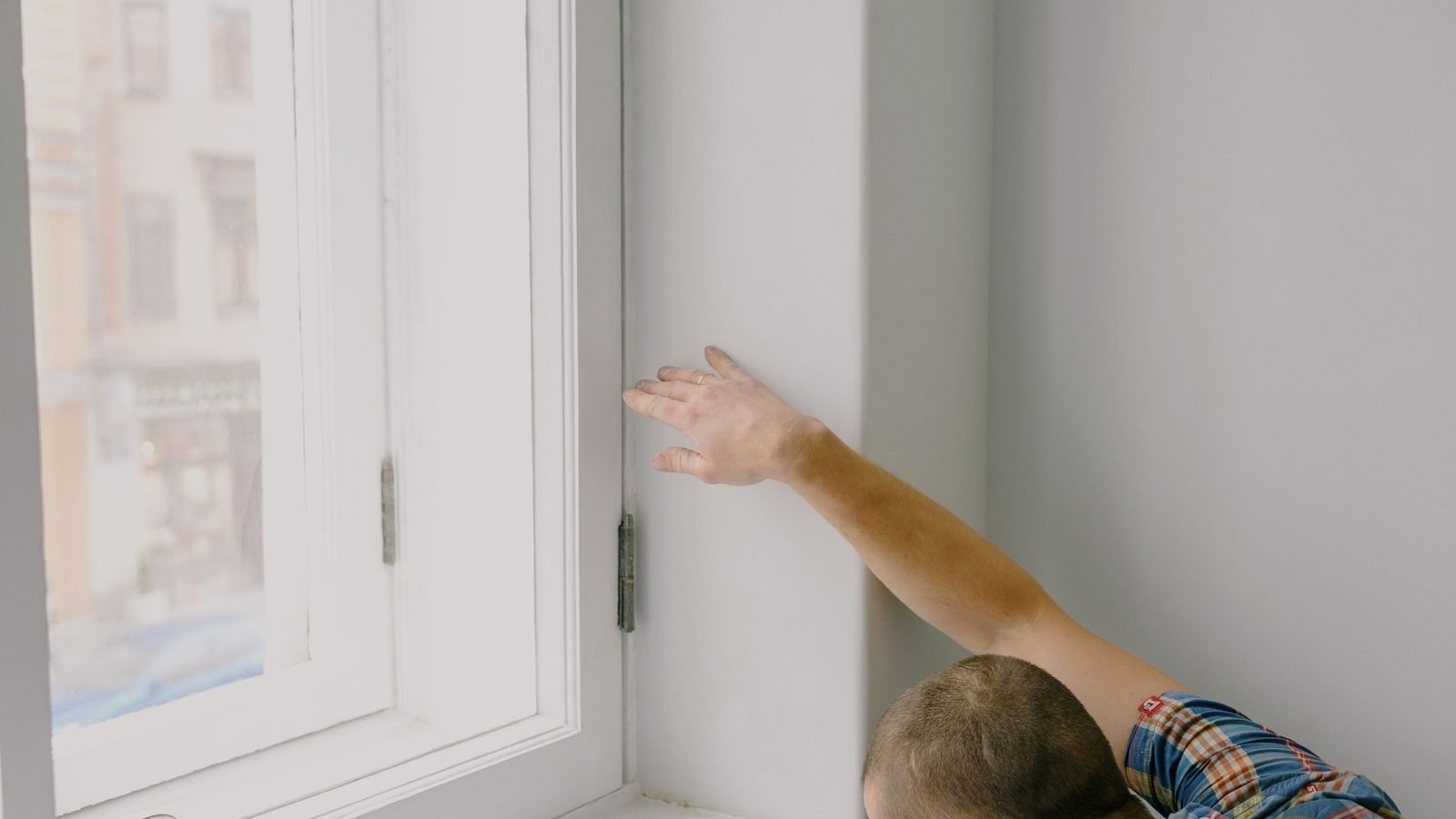 ComplianceThe Canadian window label after the zones were retiredAdam Windows Team • October 19, 2026Canada retired its energy performance zones for windows on 1 January 2020. The three bands by heating degree days, the ones a Canadian brochure still quotes, stopped being a specification that year, and the national figure that replaced them is a single number. What did not change is the window label itself, which still carries three separate things: an energy claim, a performance certificate from a body accredited for the scope, and the name of whoever is selling the unit. Reading those three correctly is most of what a Canadian submittal asks for.Read more →
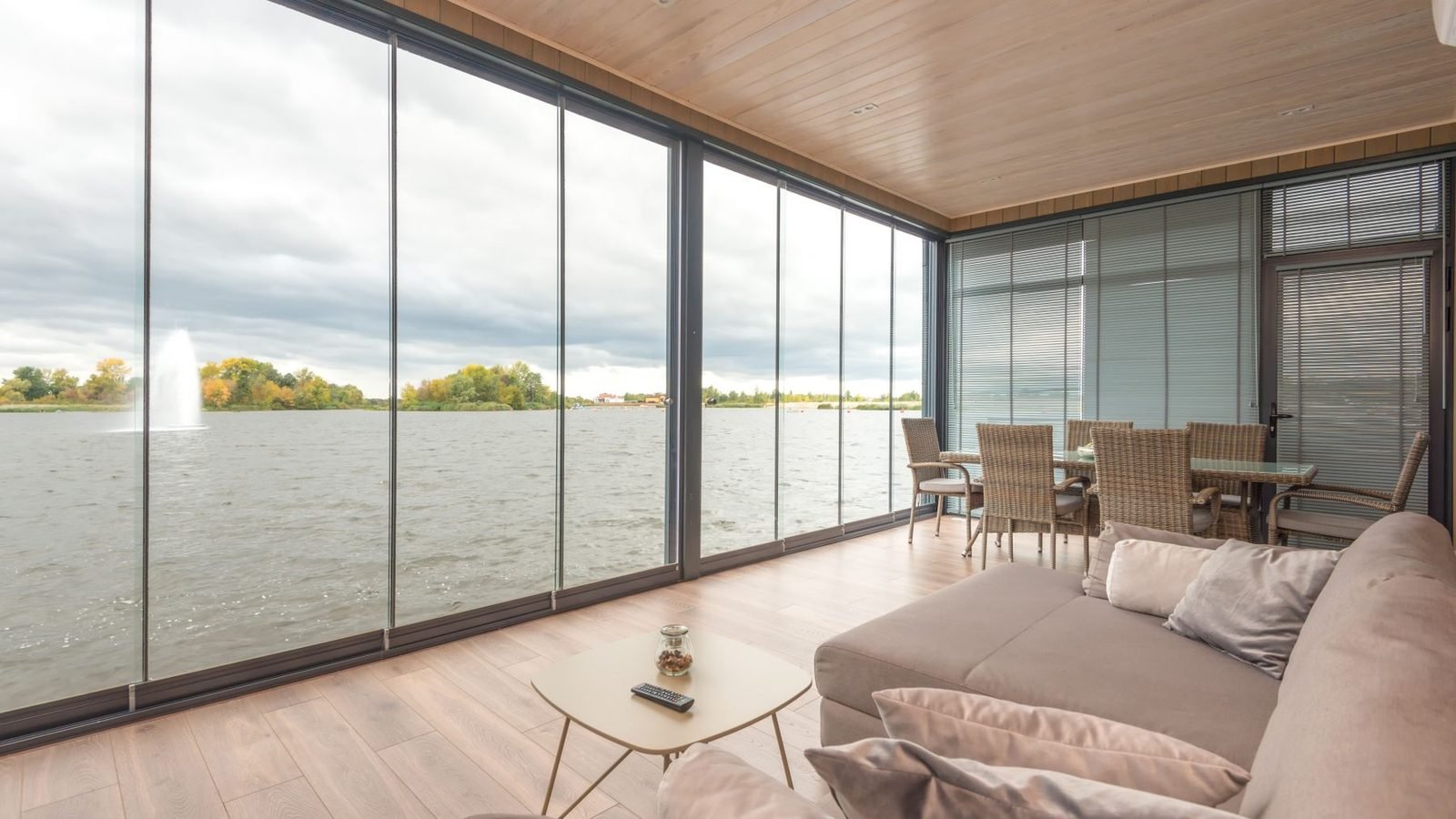 SpecifyingFixed glazing: how large a single pane can goAdam Windows Team • October 19, 2026A fixed glazing panel is limited by four numbers, and they run in sequence: the sheet the glass is cut from, the furnace that tempers it, the frame that carries it, and the door of the container it travels in. Each number is generous on its own. The smallest of the four decides the elevation.Read more →
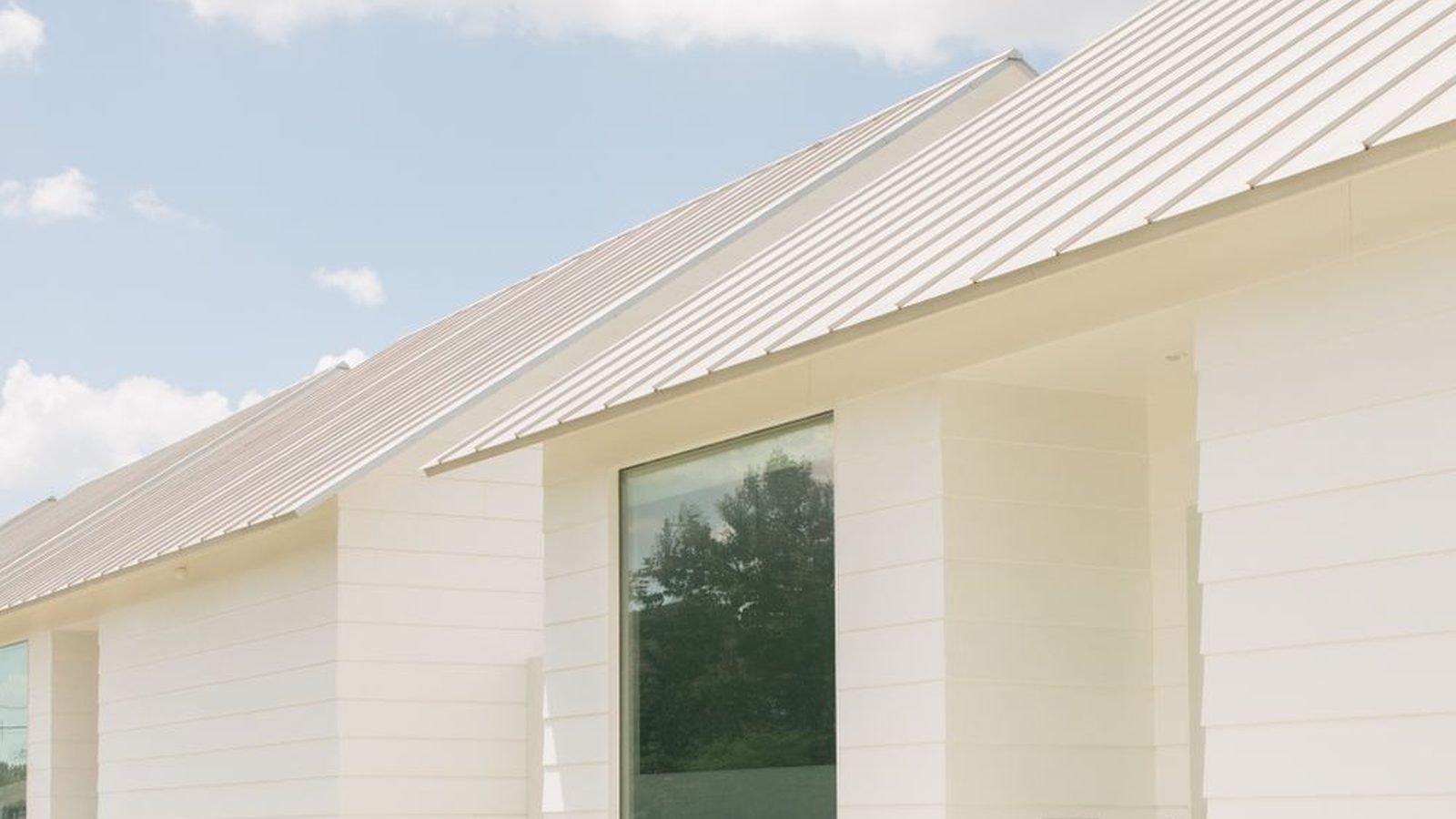 MarketsHail-rated windows in Texas: what the class isAdam Windows Team • October 18, 2026There is no North American standard that rates a window for hail. A hail-rated window is not a certified class — it is a glass and frame build-up that a project decides to specify because the address sits in hail country. What can be tested, and what a Texas address actually asks for, is impact performance under ASTM E1886 and ASTM E1996, plus the wind grade from AAMA/WDMA/CSA 101/I.S.2/A440. The laminated interlayer is what changes the outcome on a hail strike. Everything else on the schedule follows from those two facts.Read more →
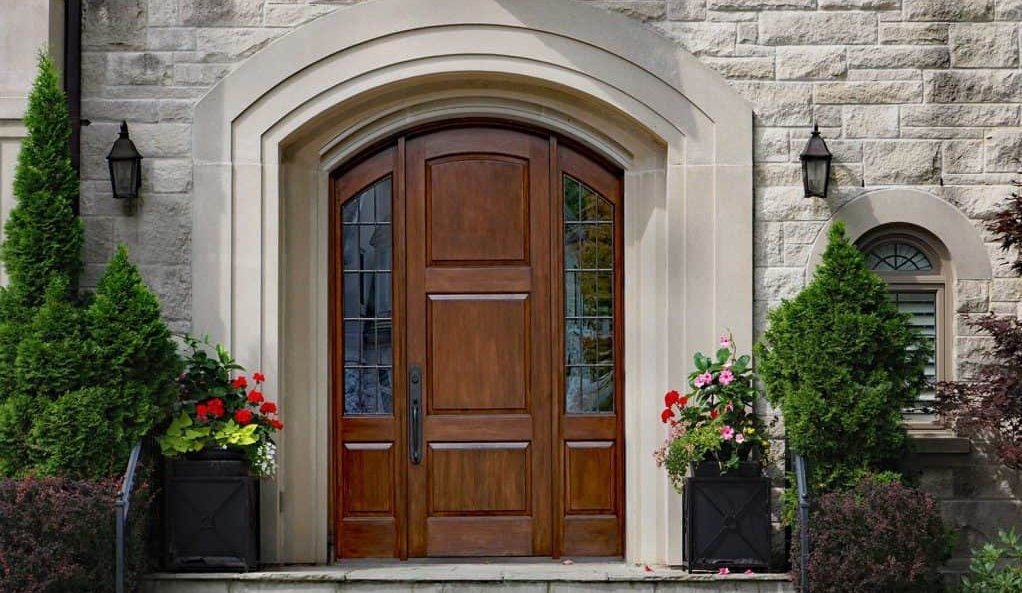 MarketsAS 2047 cyclone zones: which zone your opening sits inAdam Windows Team • October 17, 2026The rating a window needs in Australia is set by where it goes, not by what it is. AS/NZS 1170.2 names the wind region, A to D, with C and D the cyclonic ones. AS 4055 names the wind class for housing, N1 to N6 and C1 to C4. AS 2047 is the standard the unit is tested and labelled against, and it takes its rating from one of those two. The AS 2047 cyclone zone question is therefore answered before the frame is ordered: the zone sets the rating, and the rating sets the frame, the glass and the document pack.Read more →
 SpecifyingRough opening: measuring for aluminium windowsAdam Windows Team • October 16, 2026A rough opening is the hole in the wall, and it is always larger than the window that goes into it. The gap is the working space: the frame is levelled on shims, packed and sealed, then the reveal is closed. Specify the rough opening from the frame size plus the clearance the chosen installation method needs, and measure the structure on site before the frame is made. Get it right and the unit drops in square, seals and drains; measure it wrong and the frame is either cranked into an uneven wall or ordered too small to close the gap at all.Read more →
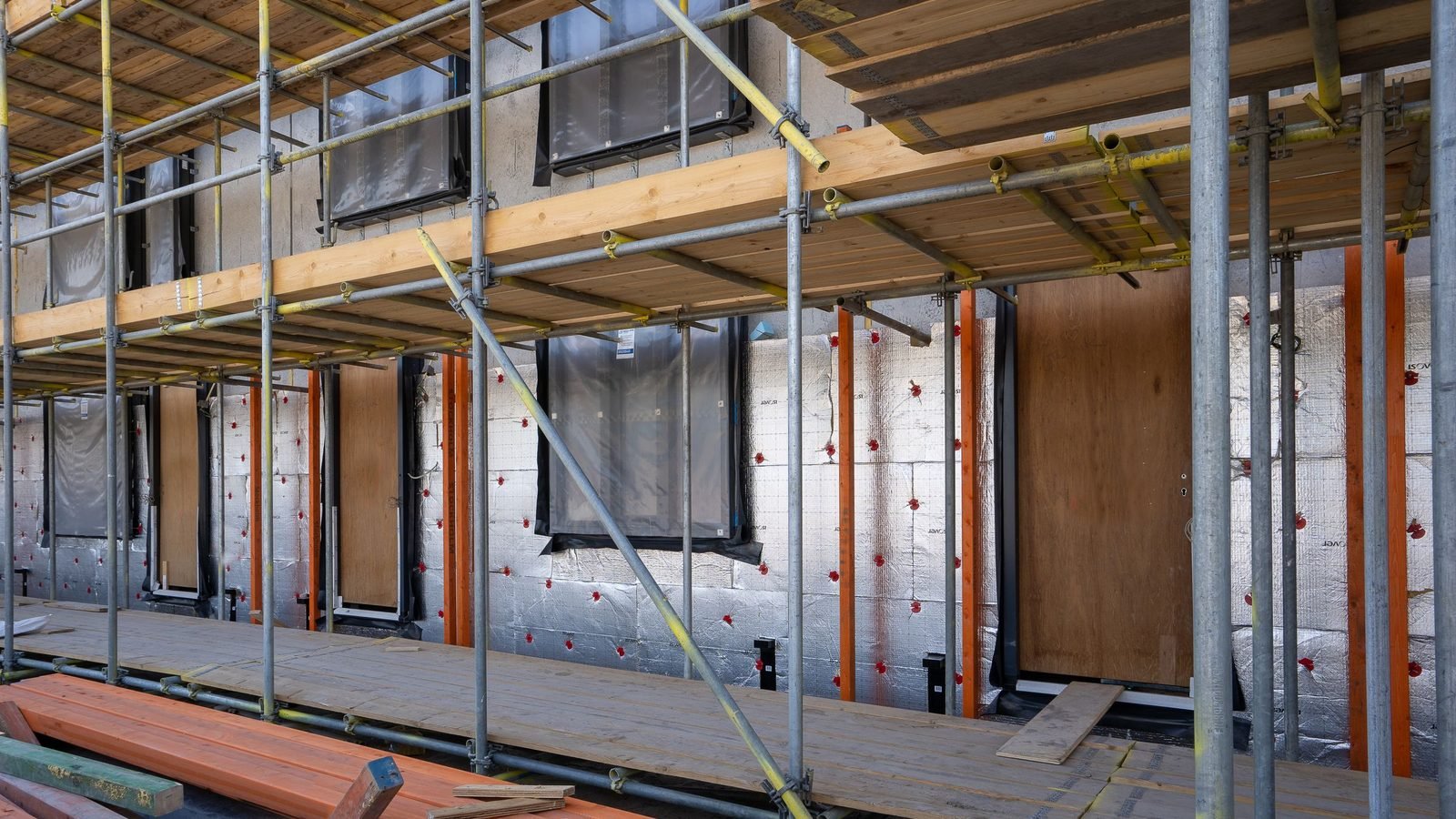 SpecifyingWindow flashing: the detail that decides the warrantyAdam Windows Team • October 16, 2026Window flashing is the water line around the frame: a sill pan under the unit, jamb and head membranes up the sides, and a head flashing with a drip above them, lapped so every layer sheds onto the one below it. The unit that leaves the factory carries a tested rating; the joint between that unit and the wall is built on site, and no test report covers it. Flash the opening in the right order and it drains. Reverse one lap and the water behind the cladding has nowhere to go but inside.Read more →
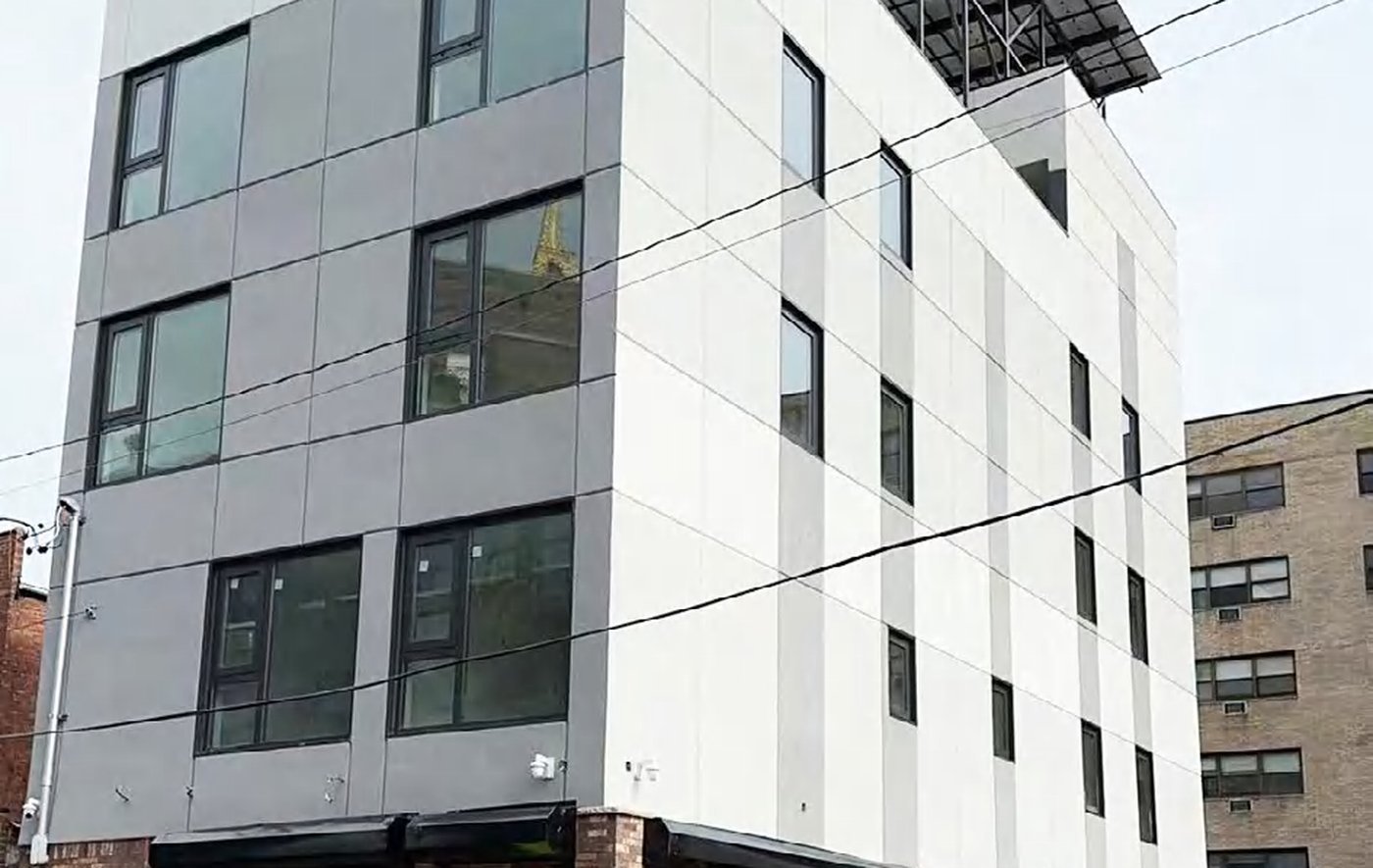 SpecifyingTilt and turn windows outside Europe: what US and AU acceptAdam Windows Team • October 15, 2026A tilt and turn window is one sash with two actions: it tilts in at the top for ventilation, and it swings in from the side for cleaning and access. Europe built the hardware around that pair, and the export range sells it as standard equipment. Outside Europe the same unit arrives into a market that files it somewhere else. North America gives it an operator type of its own and rates it by performance class and design pressure. Australia rates the assembly against a site wind class and a water-penetration pressure, and says nothing about the gearbox. Neither market asks for the tilt position. Both ask two questions the European spec sheet does not answer: which position counts as the escape opening, and how far the sash opens where a child can reach it.Read more →
 ComparisonsImpact windows vs hurricane windows: the differenceAdam Windows Team • October 14, 2026Hurricane window is what the coast calls the product; impact windows is what the test report can prove. Both names point at the same assembly — laminated glass in a reinforced frame, rated as a complete unit. The difference that decides a Florida order is the approval path behind the name: a Miami-Dade NOA under the TAS protocols, or a Florida Product Approval under ASTM E1886 and ASTM E1996. This piece sets the two names against the two approval paths, and lists what the quotation must carry.Read more →
 MarketsCanada energy code: ER, U-factor and the cold caseAdam Windows Team • October 12, 2026The Canada energy code line is a provincial line: the national model code sets the envelope targets, the province of record writes them into law, and the window is measured against CSA A440.2:22 — U-factor, SHGC, air leakage and the ER number that combines them. The cold case is the heating case. The window is the largest heat-loss surface on the wall, and the schedule states the build, the rating and the report per opening.Read more →
 LogisticsSite delivery and the last mileAdam Windows Team • October 12, 2026A container of windows reaching the destination port is the halfway point, not the finish. Site delivery — the leg from the port to the opening — is where the glass actually meets the building, and it is where most of the handling risk sits. This is the part of the order the loading report, the crate list and the crane plan are written for.Read more →
 MarketsWindows for Africa: UV, dust and the long haulAdam Windows Team • October 10, 2026Windows for Africa run on three forces: the UV that peaks in the top band of the index on most days, the dust that works into every gasket channel and track, and the long haul that runs from the consolidation port to the site. The specification answers all three — solar-control laminated glass first, the powder line on the exterior, the screens as first-class items, and the crating built for the road leg. On the current range the solar-control schedule runs 35–50 days in production, and the sea leg is typically 25–33 days.Read more →
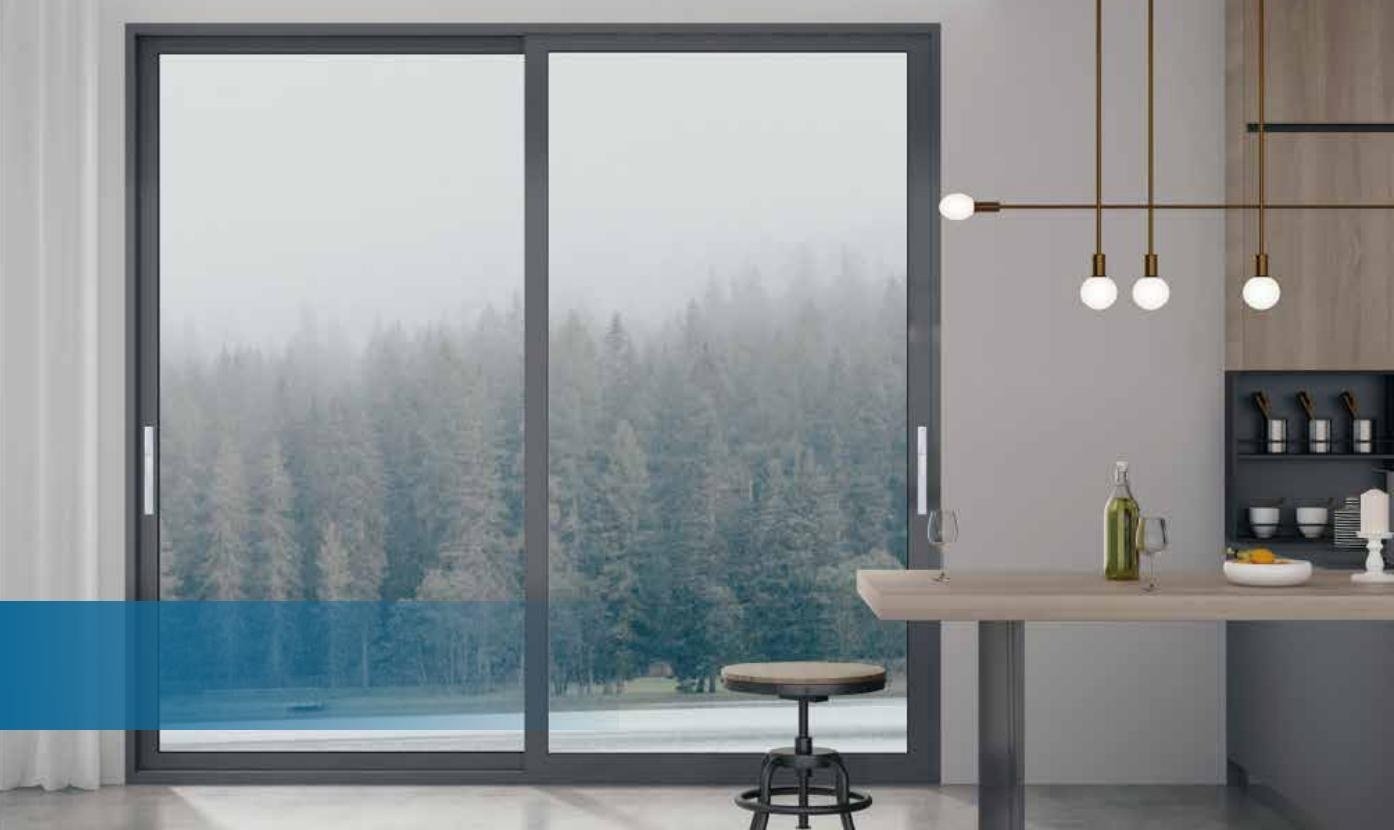 ComplianceSANS 10400-N in South Africa: the glazing rulebookAdam Windows Team • October 10, 2026The South African window order runs on the National Building Regulations, and the part the glazing meets is SANS 10400-N:2012 Edition 3.1. It states where the safety line applies, the standards the glass and the frame must meet, and the certificate the project closes with. The energy line sits in Part XA, and the report follows the configured unit, per order.Read more →
 MarketsSGCC-marked glass and the Singapore window scheduleAdam Windows Team • October 9, 2026SGCC is the Safety Glazing Certification Council, a United States non-profit that certifies safety glazing materials against ANSI Z97.1, CPSC 16 CFR 1201 and CAN/CGSB 12.1. It certifies glass, not windows. A Singapore schedule usually needs both documents, and they answer different questions: the SGCC mark on the lite, and the window system tested to the performance line the developer states — wind load, water tightness, air permeability — with the report issued per order and per model. The tropical ventilation combination carries the schedule across the region. On the current lines the production clock runs 30–45 days, and the sea leg to Singapore is the shortest of any market line.Read more →
 ComparisonsAluminium vs vinyl windows: the full comparison for buildersAdam Windows Team • October 9, 2026Aluminium vs vinyl windows is the material call behind most of a residential specification: vinyl is the default in North American construction, and aluminium wins on span, hardware and coastal performance. The honest comparison is not which material is better: it is which failure mode each one carries, and where on the building the opening sits. This page works through the seven points a builder actually weighs when the two materials reach the same drawing.Read more →
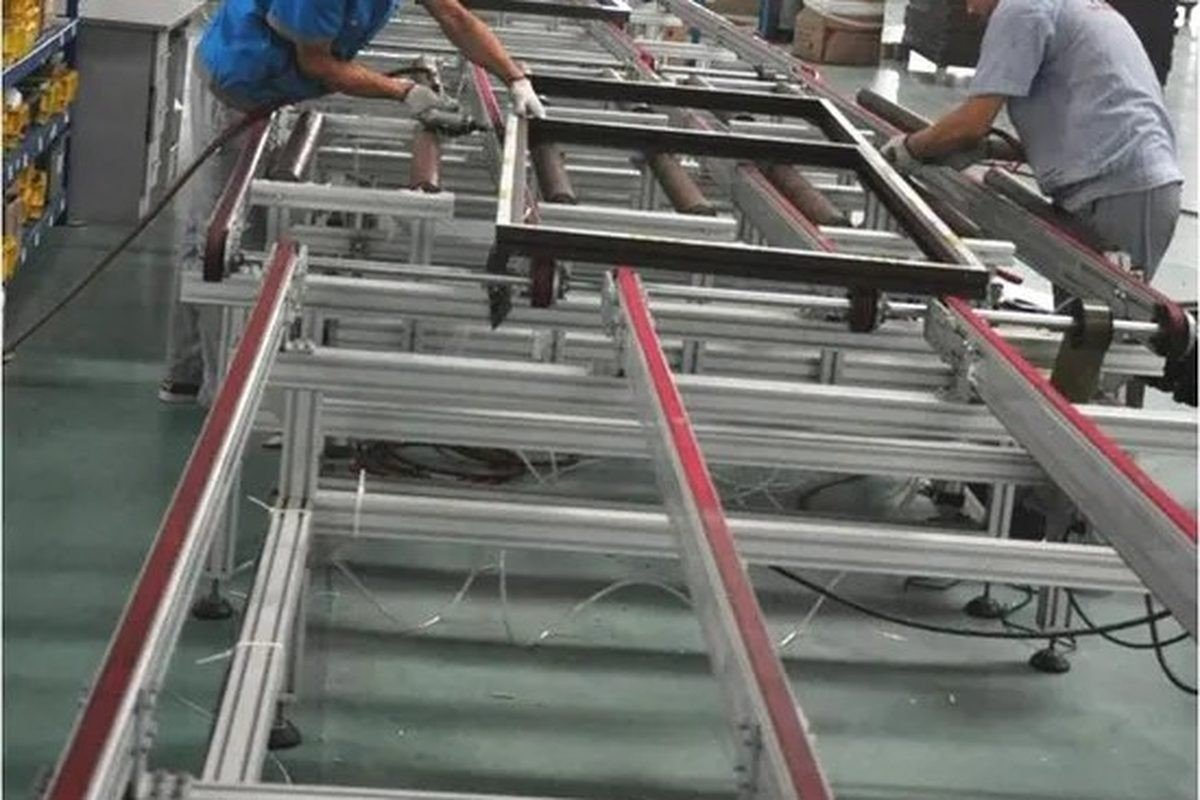 LogisticsWindow lead times from China: a week-by-week breakdownAdam Windows Team • October 9, 2026A full window lead time from a Chinese factory runs roughly 10 to 14 weeks from approved drawings to arrival at the destination port: 30–45 days of production plus 30–45 days of ocean, with the drawing phase in front of the clock. Where a project lands inside that band is decided by the specification, not by urgency, and each phase has a different owner. Here is the schedule, week by week, and what shortens it.Read more →
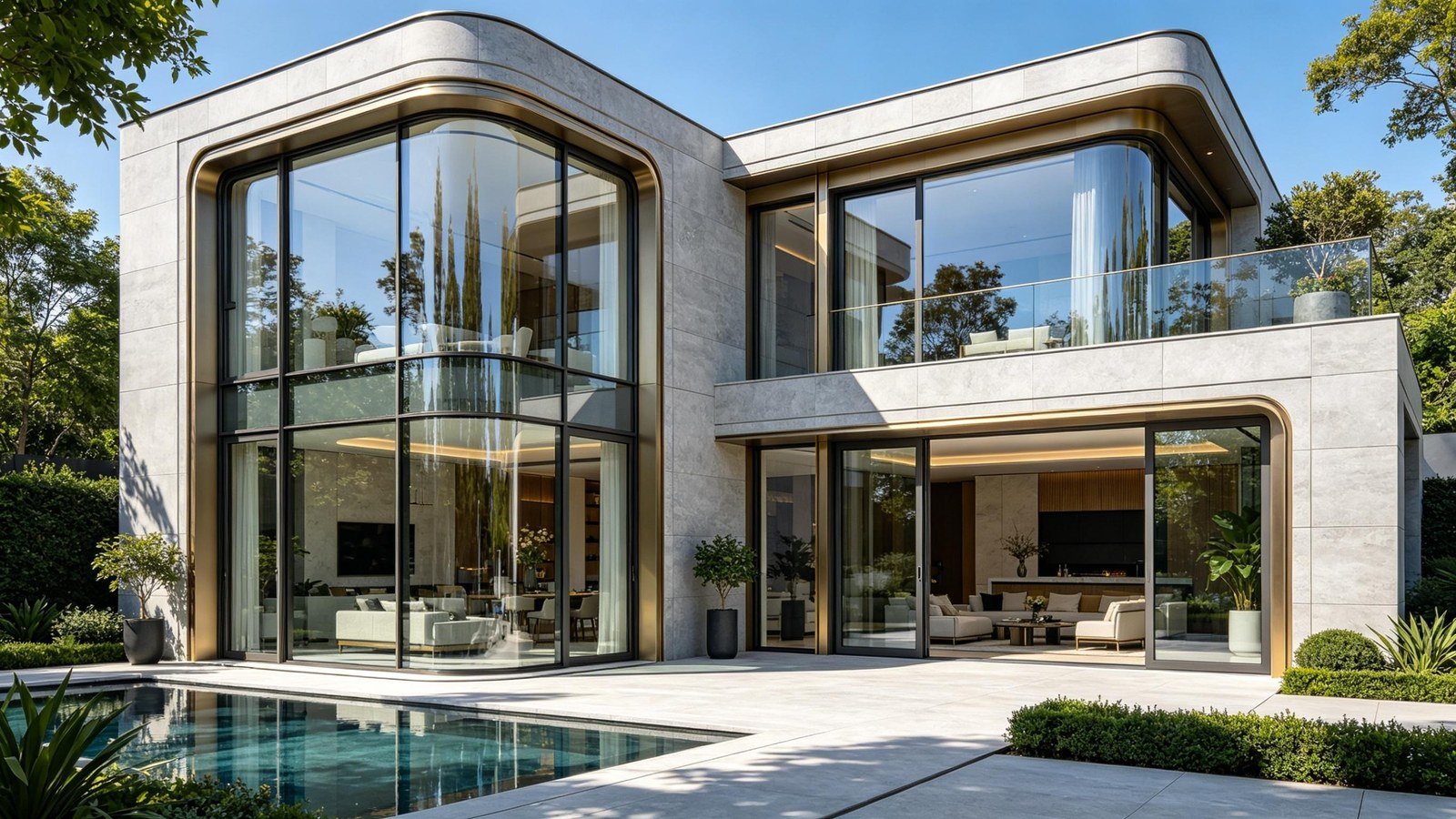 SpecifyingCustom aluminium windows pricing: inside a China quoteAdam Windows Team • October 8, 2026Aluminium windows pricing starts from a blank page: a custom window has no list price. The quotation is built unit by unit from seven lines — the profile system, the glass build, the hardware, the finish, the size and opening mechanism, the packing and freight terms, and the commercial terms — and each line moves independently. That is why two buyers can hold quotes for the same wall at two different numbers and both be correct.Read more →
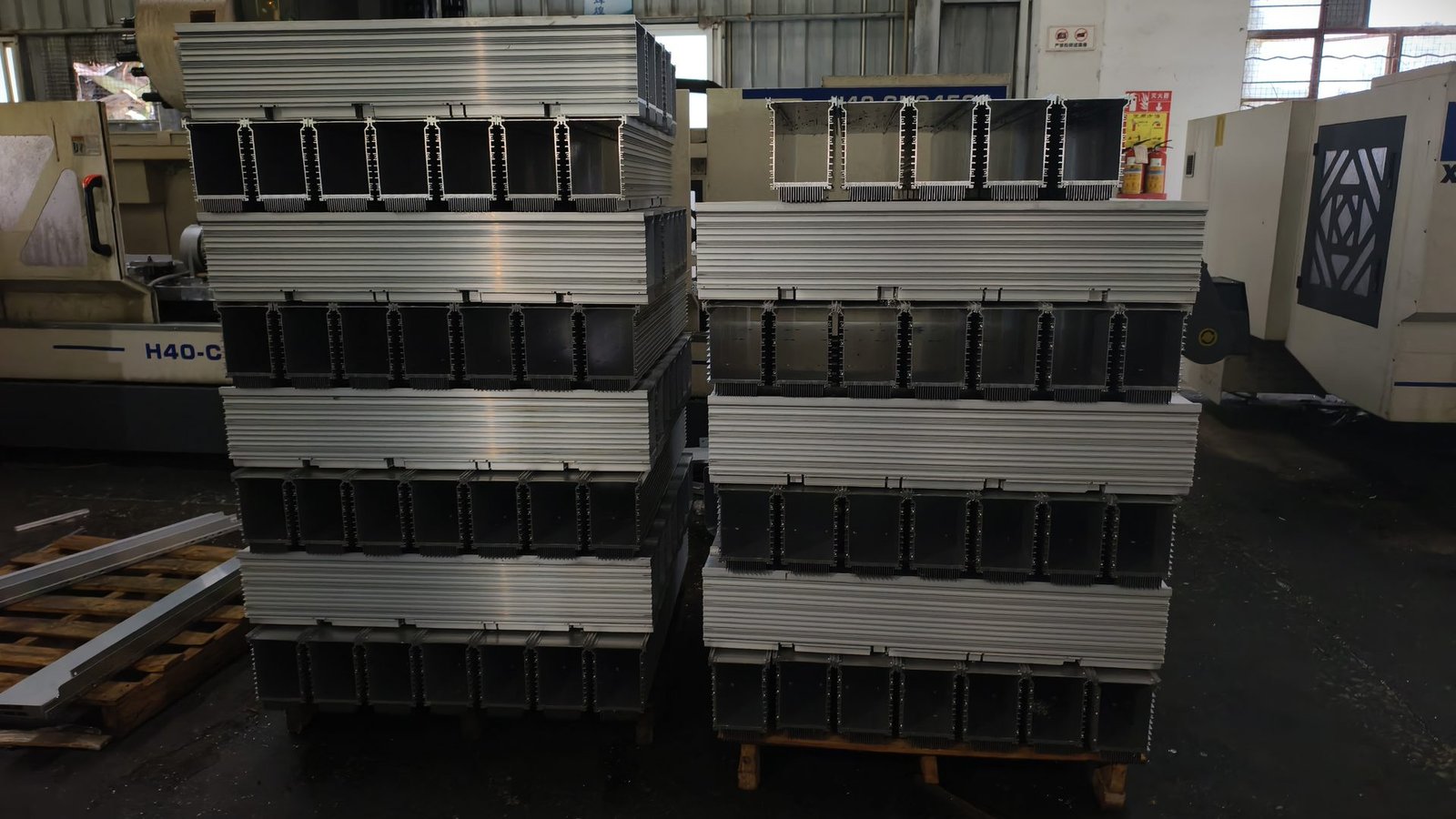 LogisticsHow to choose an aluminium window manufacturer in ChinaAdam Windows Team • October 8, 2026You cannot verify an aluminium window manufacturer from a website. You verify it from four things: what is made under one roof, what the test documentation is referenced to, how shop drawings are produced, and whether you can hold a sample that matches the specification. Everything else is a brochure. This is the checklist we expect a serious buyer to run on us.Read more →
 MarketsBushfire-rated windows: AS 3959 BAL levels and the buildAdam Windows Team • October 4, 2026A bushfire-rated window is specified to a BAL level, not a general fire rating: AS 3959 sets six levels (BAL-Low through BAL-FZ) from the site vegetation and slope, and the window build — frame material, mesh, glazing and seals — is chosen to the site level. On our schedule the BAL case runs on the same frame lines as the standard range, with the mesh, the toughened or laminated glazing and the metal seals the level requires, and the certificate ships in the document pack.Read more →
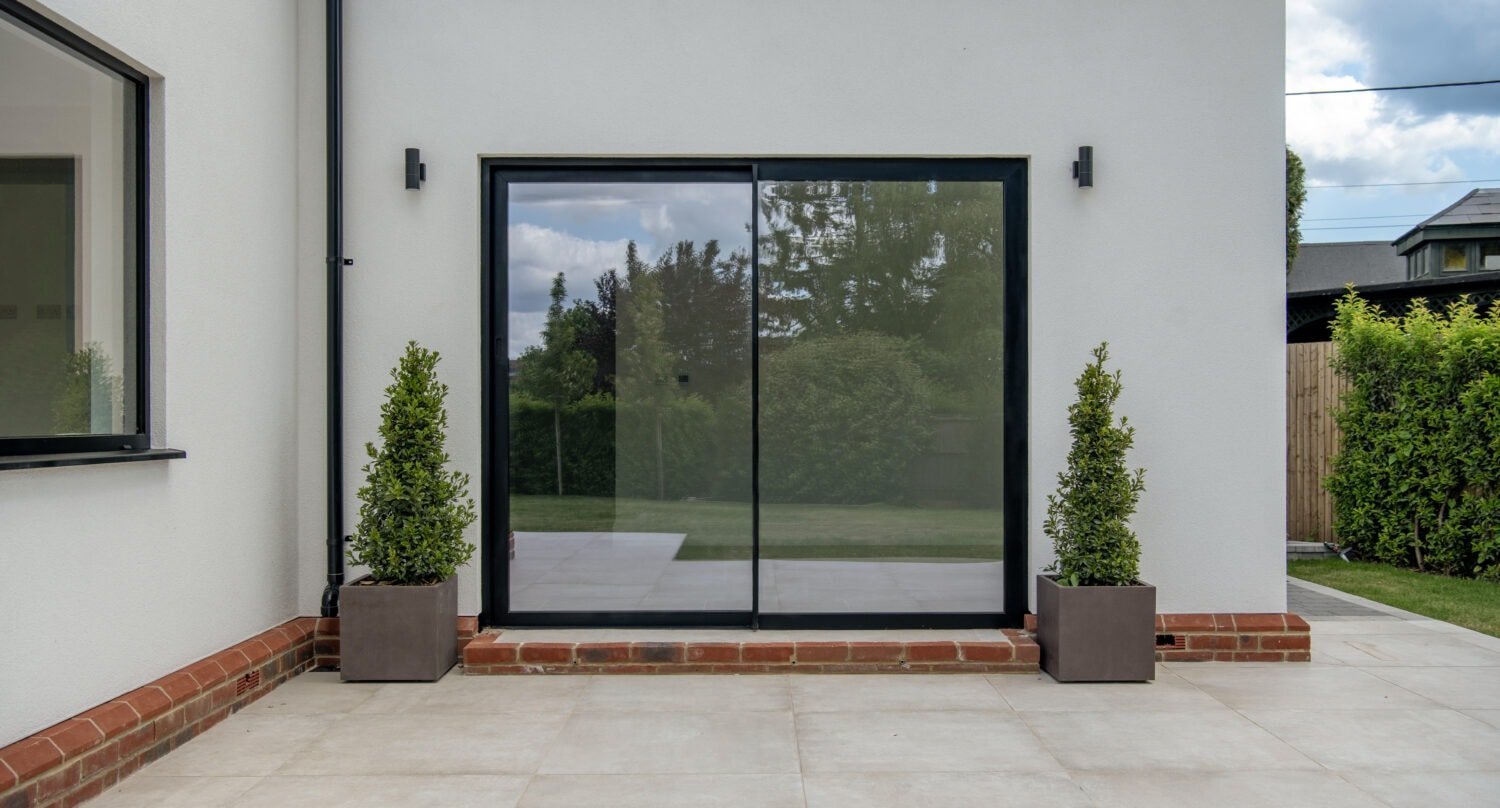 SpecifyingBi-fold vs lift-slide doors: which opening a terrace needsAdam Windows Team • October 4, 2026Bi-fold vs lift-slide: both answer the same brief — a wall that opens to the terrace — from opposite directions. Bi-fold folds the leaves into a stack and clears almost the whole width; lift-slide lifts the leaves onto a bearing and slides them past each other, keeping the frame line straight and the operation one-handed. The choice turns on the stack position, the threshold detail and how the room is used, and both run on our 70 mm thermal-break platform.Read more →
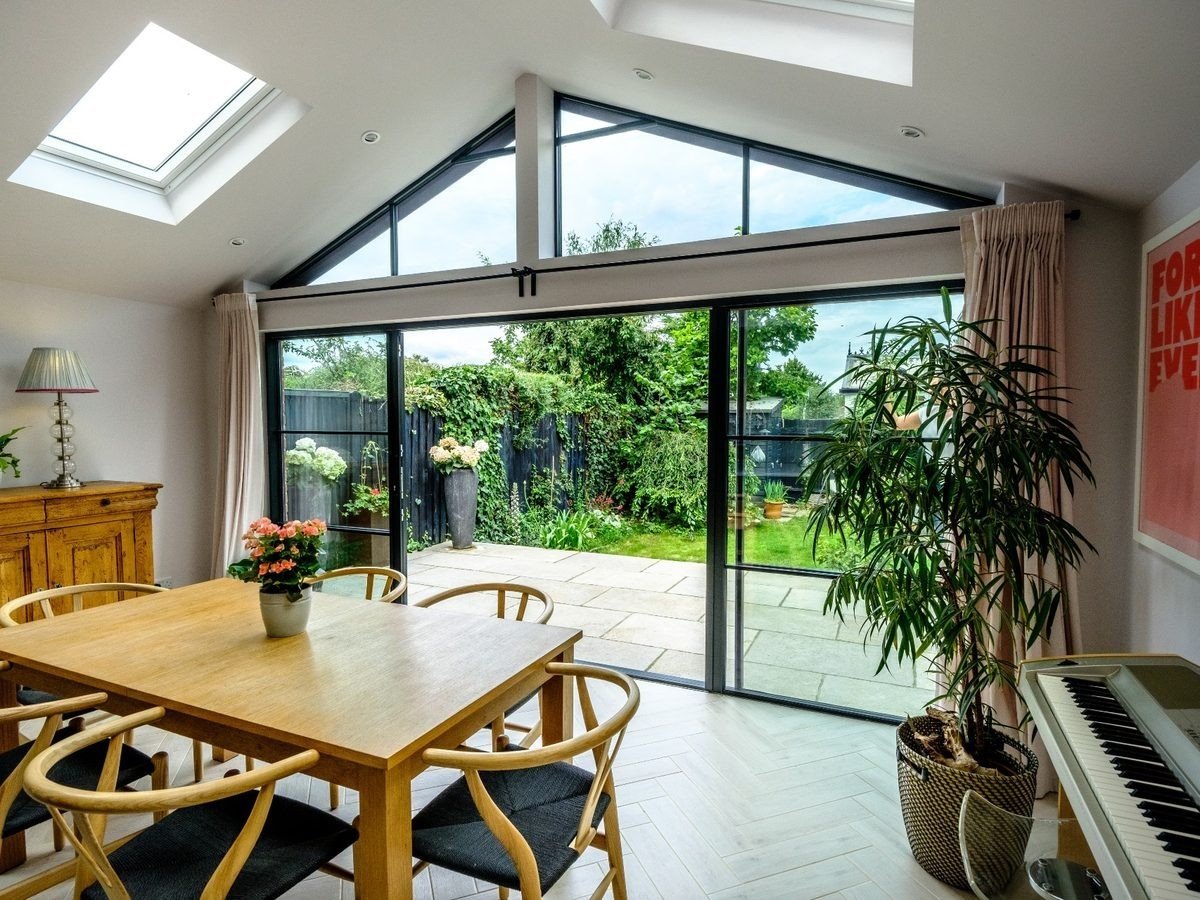 ComplianceCE marking and EN 14351 for windows: the DoP routeAdam Windows Team • October 4, 2026A CE-marked window is a declaration that the unit meets the harmonised standard for its intended use: EN 14351-1 for external windows and doors. The mark is not a badge added at the end — it is a Declaration of Performance tied to a set of tested characteristics and a factory production control system, and it travels with the unit as the document a European specifier, or a market that recognises the standard, asks for.Read more →
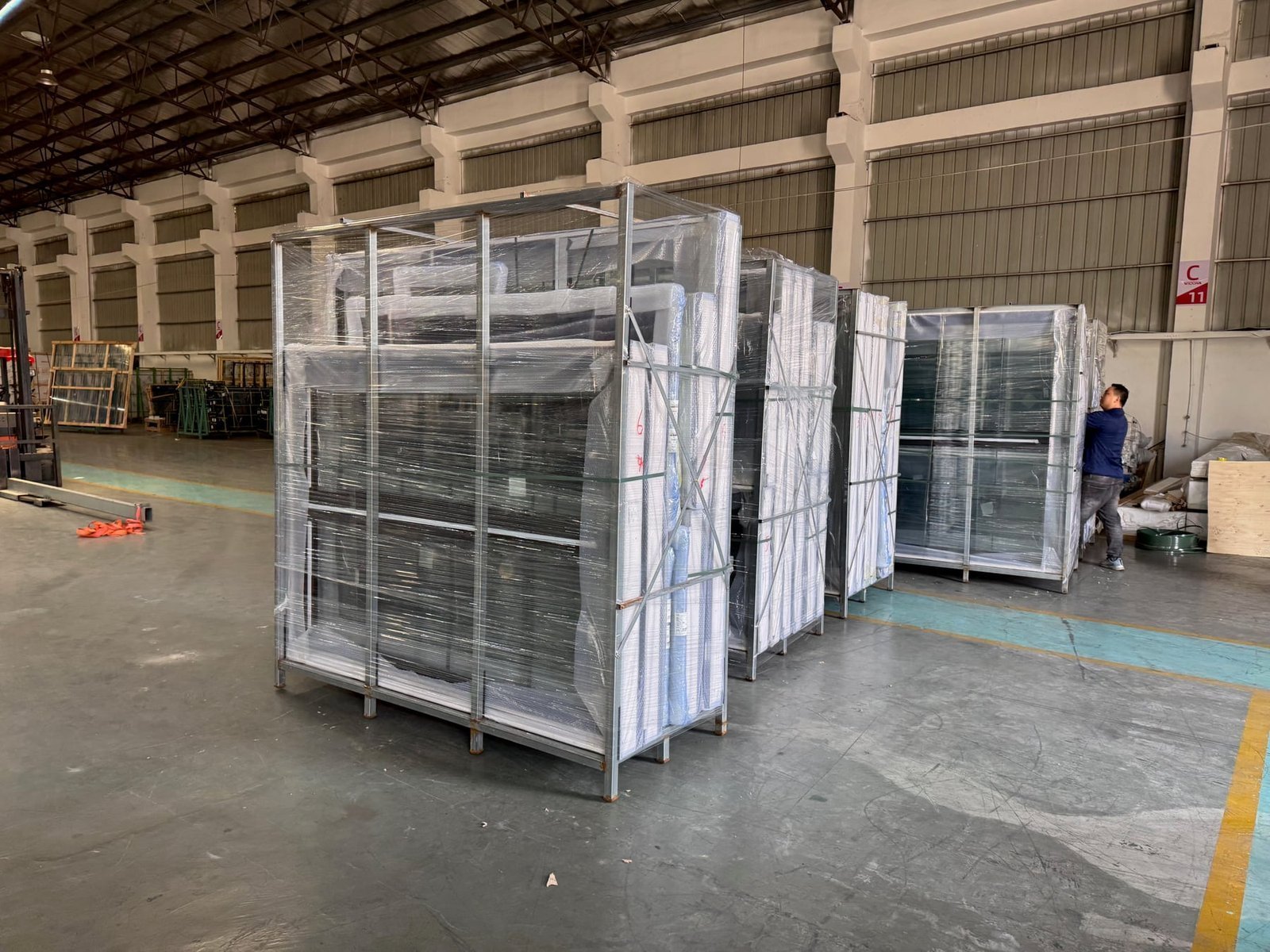
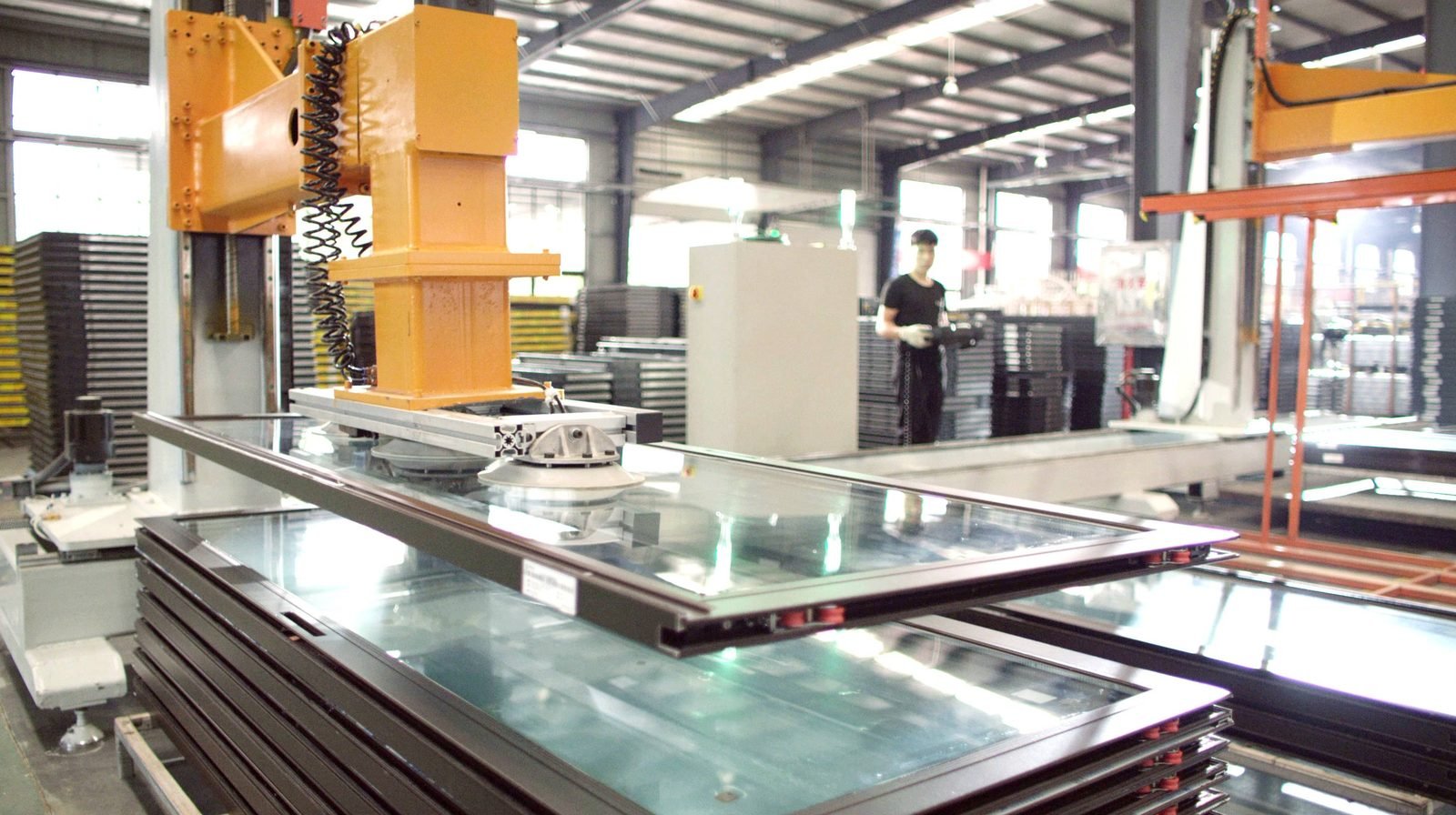 LogisticsContainer loading: how windows actually packAdam Windows Team • October 4, 2026Container loading of factory-assembled windows runs differently from flat-processed ones, and the difference shows up in the loading report and the crate list. Frames stack on their long edge, assembled sashes ride in their own crate with the glass protected on the face, and the packing is planned so the crate order matches the floor order on site — the agent can claim the container, match a crate to a floor, and start setting the same day.Read more →
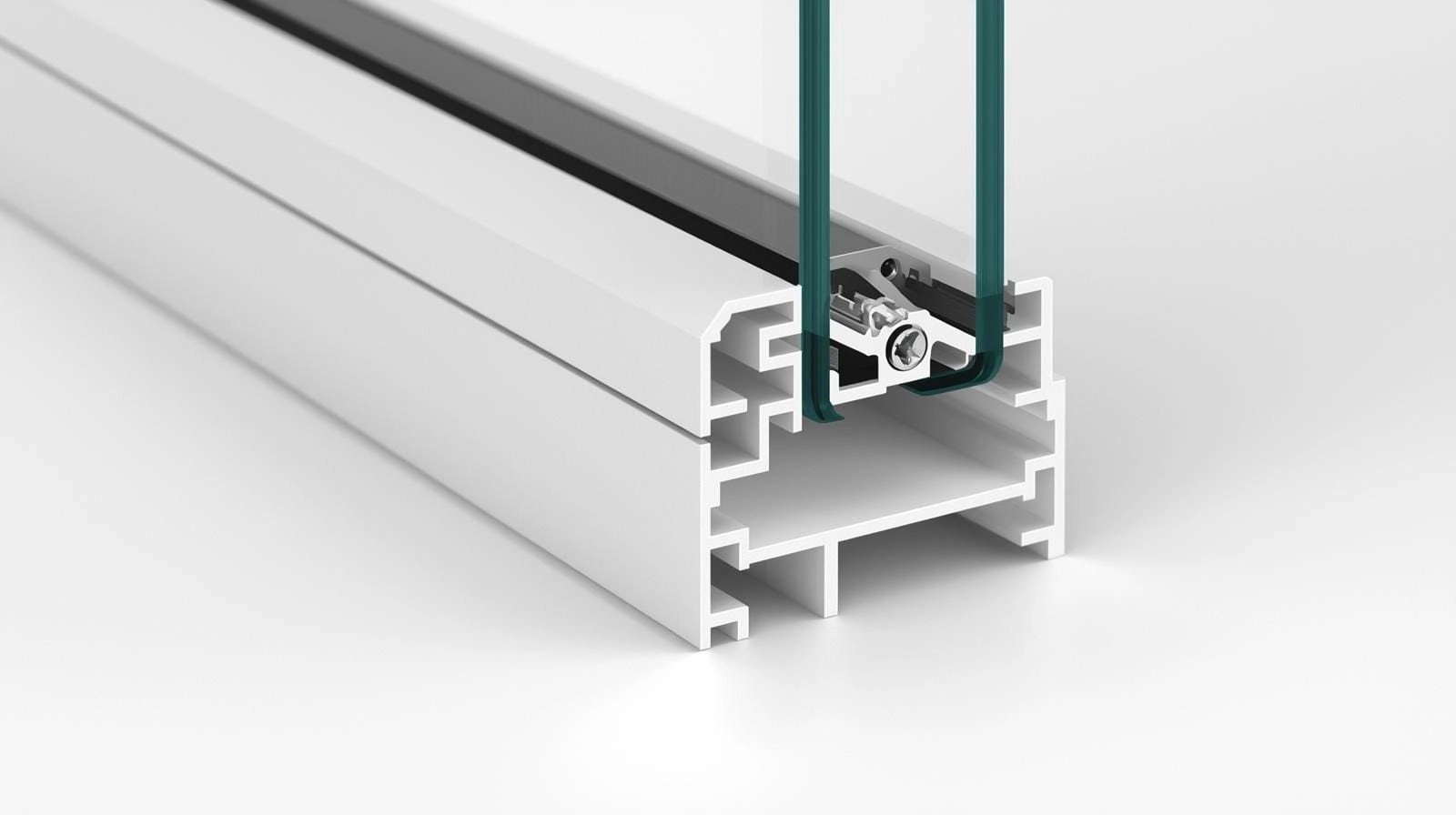 ComparisonsArgon vs krypton for windows: how to write the IGU gas callAdam Windows Team • October 4, 2026Argon vs krypton is the cavity-fill question every IGU schedule answers, and both gases are there to slow the conduction that air would otherwise carry across the cavity. Argon is the standard fill — inert, cheap, and worth roughly a third better than dry air on the U-value of a normal cavity. Krypton is the denser gas for the thin cavities: where the gap is narrow, argon loses most of its benefit and krypton holds it, at several times the cost. The rule is to match the gas to the cavity width, not to buy the dearer one by default.Read more →
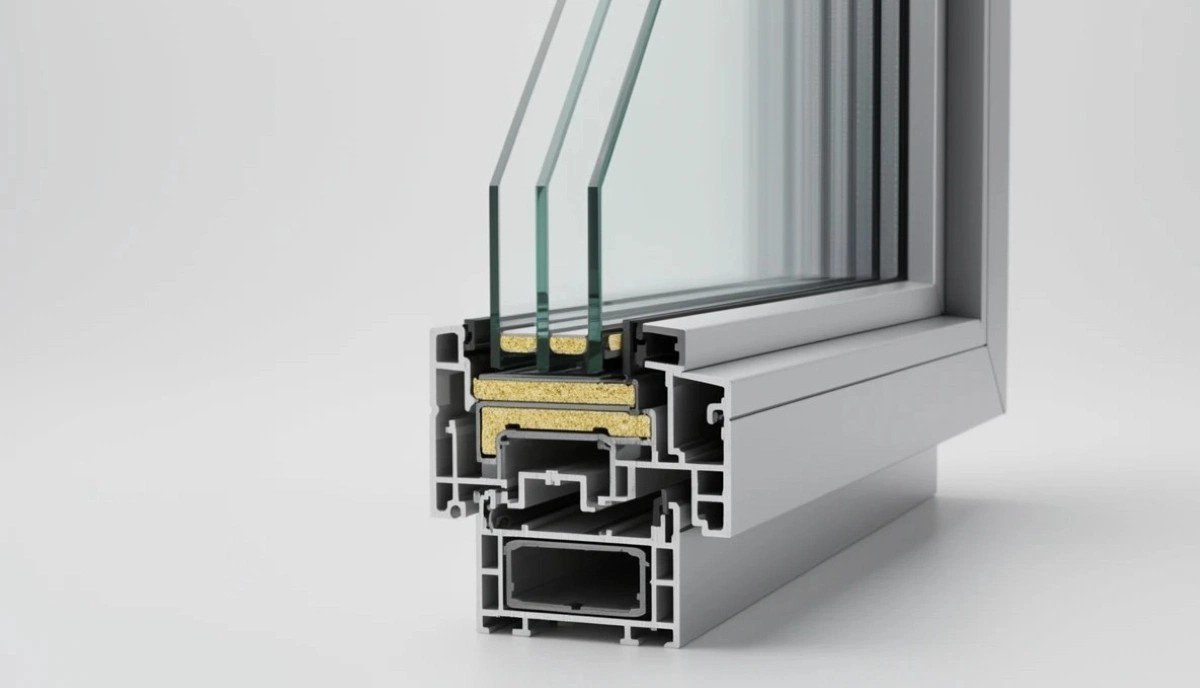 ComplianceNFRC ratings: how to read U-factor and SHGC on a spec sheetAdam Windows Team • October 4, 2026The NFRC label is the US energy rating for a fenestration product, and it is what the model energy code reads to prove a window meets the code. It reports the whole assembly, not the glass alone: the U-factor (how fast heat moves through the unit), the solar heat gain coefficient (how much sun heat the unit lets in), the visible transmittance, and often air leakage and condensation resistance. Specify against the numbers the code and the climate zone ask for, not a brand claim.Read more →
 MarketsUS inland vs coastal: two specifications, one factoryAdam Windows Team • October 4, 2026The US inland vs coastal call comes down to the address: the same villa can carry two different products in the United States, and the site decides which. On the coast — the hurricane belt and the high-velocity hurricane zone bands — the specification is impact-driven: a large-missile glass build on the Miami-Dade or Florida listing path. Inland, the specification is energy-driven: an NFRC-rated thermal unit sized to the climate zone, with acoustic and budget doing the rest. One order can carry both, because the frame platform is shared and only the glazing, the hardware and the paperwork change.Read more →
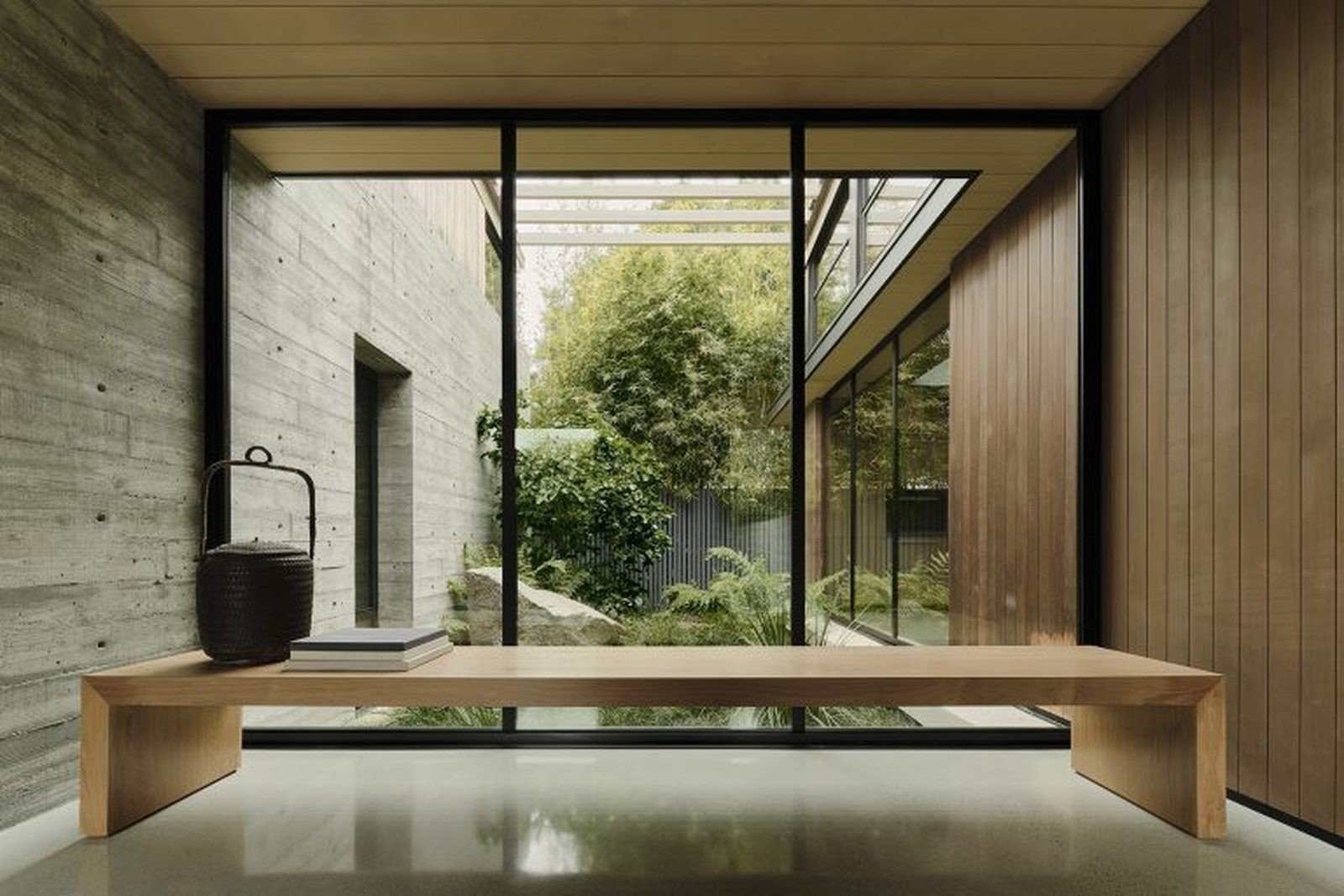 SpecifyingBarrier-free thresholds: the flush detailAdam Windows Team • October 4, 2026A barrier-free threshold is a level detail: the track is recessed into the floor build-up so the finished floor and the frame sill sit on one plane and a wheelchair, a pram or an unsteady foot passes without a step. Barrier-free thresholds are a specification item, not a site decision — the flush detail changes the door leaf height, the track depth and the drainage, and it has to be drawn before the frame is made. Get it right and the opening passes an access review and stays weathertight; leave it to the site and it does neither.Read more →
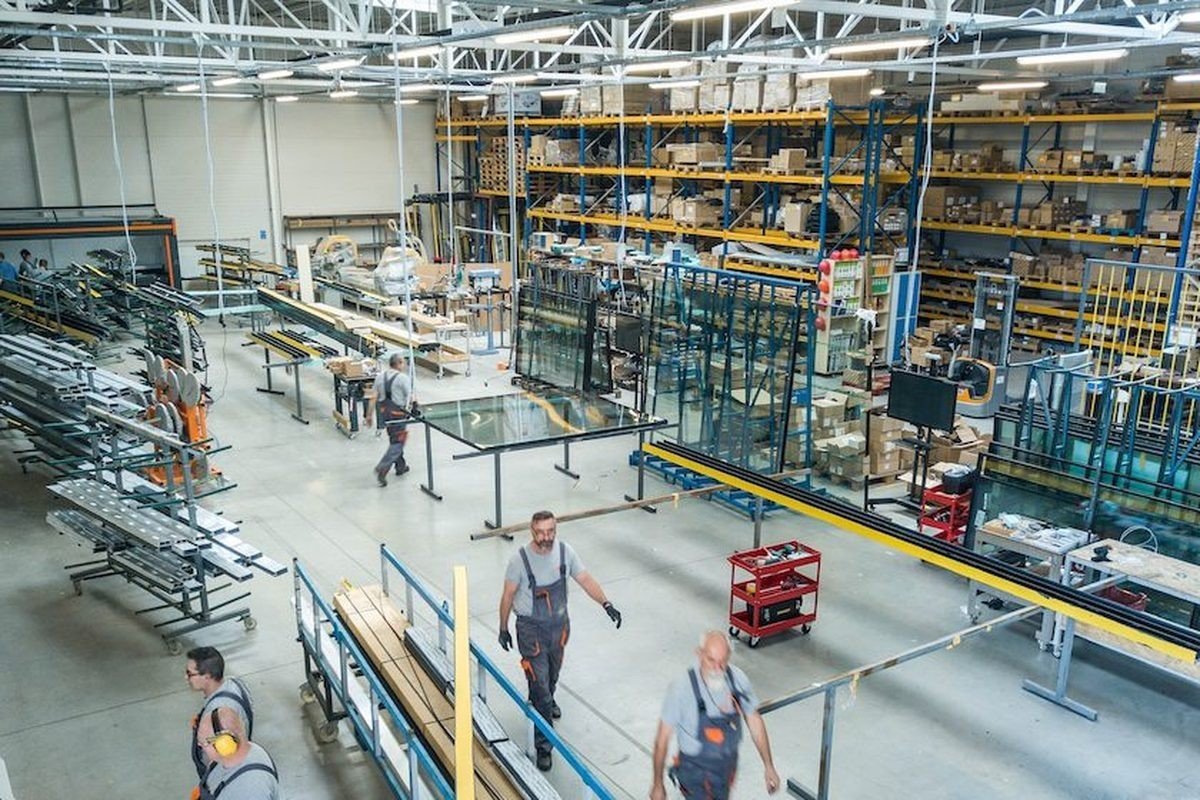 LogisticsIncoterms for window orders: FOB, CIF, DDPAdam Windows Team • October 4, 2026The Incoterm on a window order is not a formality — it decides who books the freight, who insures the container of glass, and where the risk changes hands. Most of our export orders run FOB to the destination, because the buyer controls the freight and the buyer controls the cost. CIF adds the freight and insurance to a named port; DAP and DDP carry the shipment further, to the site or the cleared destination, and the price and the timeline change with them. Name the term and the place, and the rest follows.Read more →
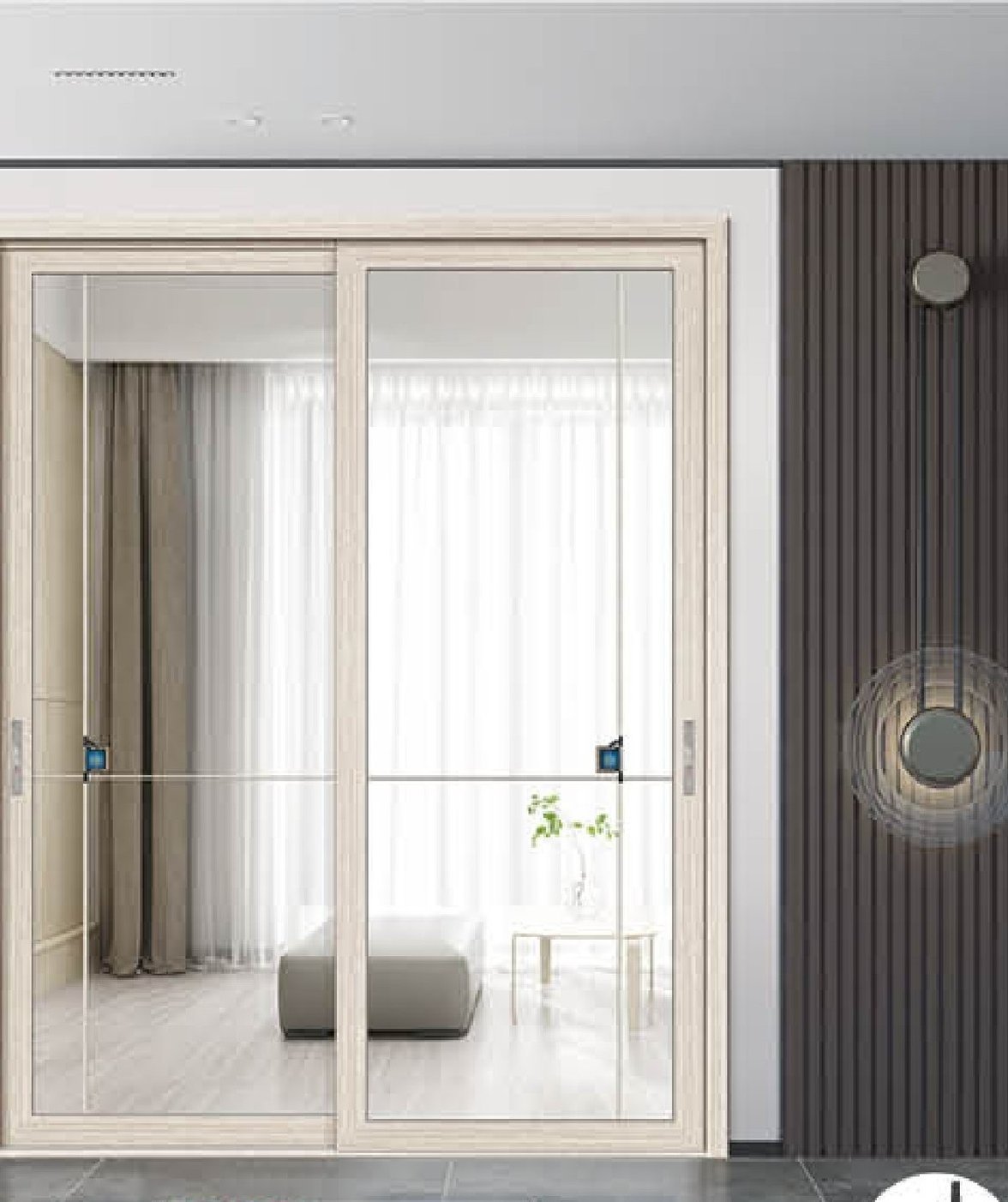 SpecifyingPivot doors: specifying a 400 kg leafAdam Windows Team • October 4, 2026A pivot door is a single leaf that turns on a bearing set into the floor and the head, rather than on a side hinge — which is why it can be far heavier and wider than a hinged door, and why the structural work sits in the floor, not the jamb. The PV-75 line carries leaves to 400 kg; the specification that works names the bearing, the floor build-up, the swing clearance and the lock, because a leaf that heavy moves slowly and stops hard.Read more →
 SpecifyingSolar control for the hot elevationsAdam Windows Team • October 4, 2026Solar control is about the sun that comes through the glass in the afternoon, and it is a different number from insulation: the U-factor holds heat in or out, the solar heat gain coefficient sets how much sun heat the glass lets through. On a hot or a westerly elevation the solar heat gain coefficient is the line that moves the cooling load, and the specification balances it against daylight — a very low coefficient lowers the heat and dims the room, and the schedule has to choose the point on that trade.Read more →
 ComparisonsPVB vs SGP interlayers for impactAdam Windows Team • October 4, 2026The interlayer is the member that makes laminated glass impact-rated: it holds the fragments together after the strike, and the question is how much load it carries once the glass is broken. PVB is the standard interlayer, elastic and effective on ordinary impact lites; SGP is several times stiffer, carries the load longer after breakage, and is the specification for the large lite and the position that has to stay in place after an event. The choice is set by the lite size and the residual-strength case, not by habit.Read more →
 ComplianceAAMA vs AS 2047: testing a unit two waysAdam Windows Team • October 4, 2026A window that passes in the United States and a window that passes in Australia are proved by two different tests. AAMA is the North American route: the performance class sets the air, water and structural targets, and the unit is rated as a class — R, LC, CW or AW — before it is placed. AS 2047 is the Australian route: the unit is tested to the site wind pressure the project sets, with the results tied to that pressure. The job is the same, the paperwork is not, and an order that ships to both carries both.Read more →
 LogisticsCustoms duties on aluminium windowsAdam Windows Team • October 4, 2026Aluminium windows and doors travel on a specific customs line, and the customs duties that apply depend on the destination and, often, on the country of origin. The product sits under the aluminium structures heading — HS 7610 for windows, doors and their frames — and the rate is set by the destination tariff schedule, by any trade agreement in force, and on some routes by additional measures on aluminium goods. The number is the importer of record to check, and the paperwork has to match the goods exactly.Read more →
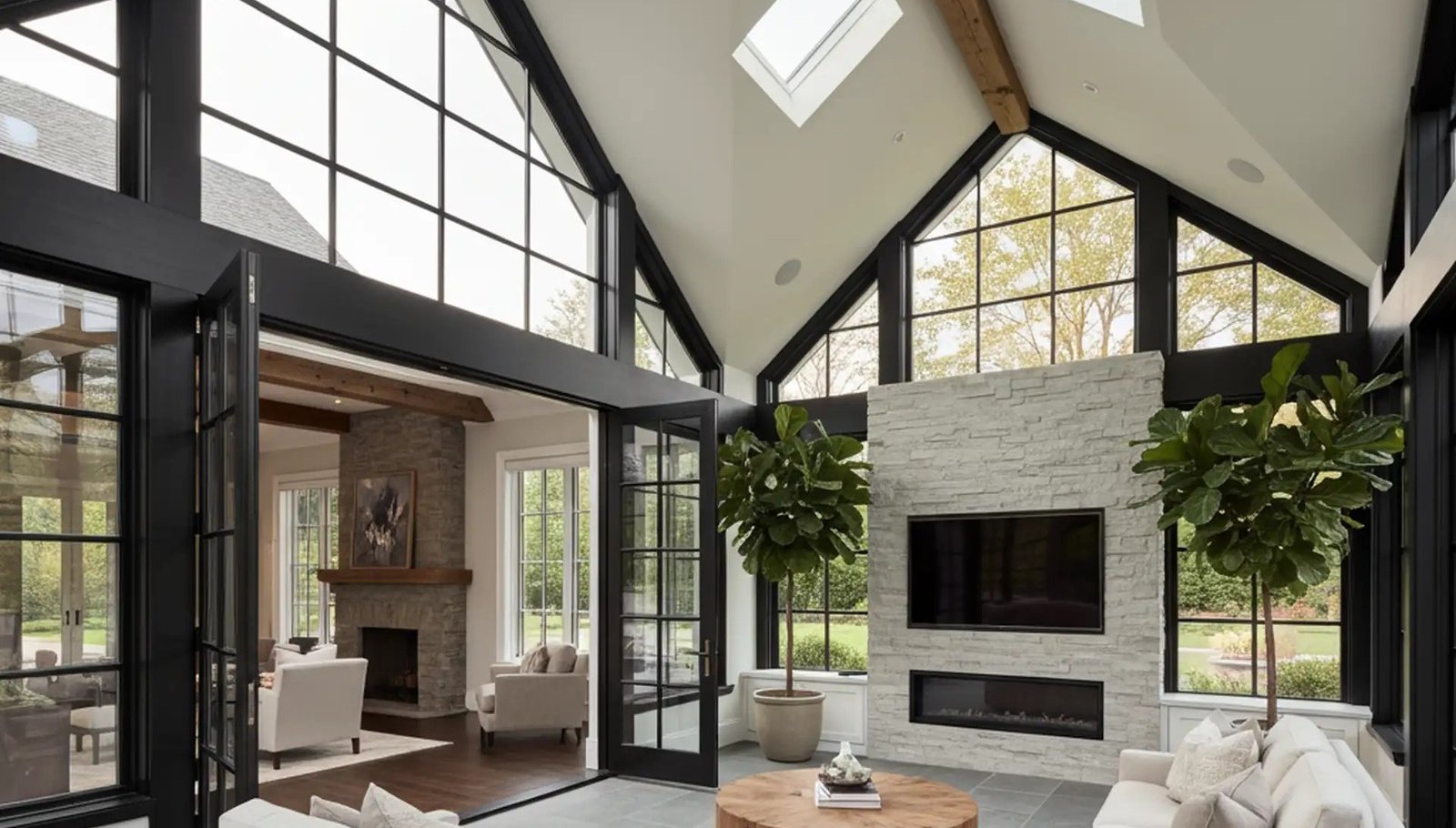 SpecifyingSunroom vs conservatory: the glazed-room specAdam Windows Team • October 4, 2026Sunroom vs conservatory: both add a glazed room, and the difference is in the build and the specification, not the name. A conservatory is a traditional construction with a wall base, a glazed roof and often a style that has to match a period house; a sunroom in our range is an aluminium-framed glazed space — a wall-and-roof system built like the rest of the envelope, insulated and sealed to the same standard. The choice sets the roof, the base, the thermal build and the planning route.Read more →
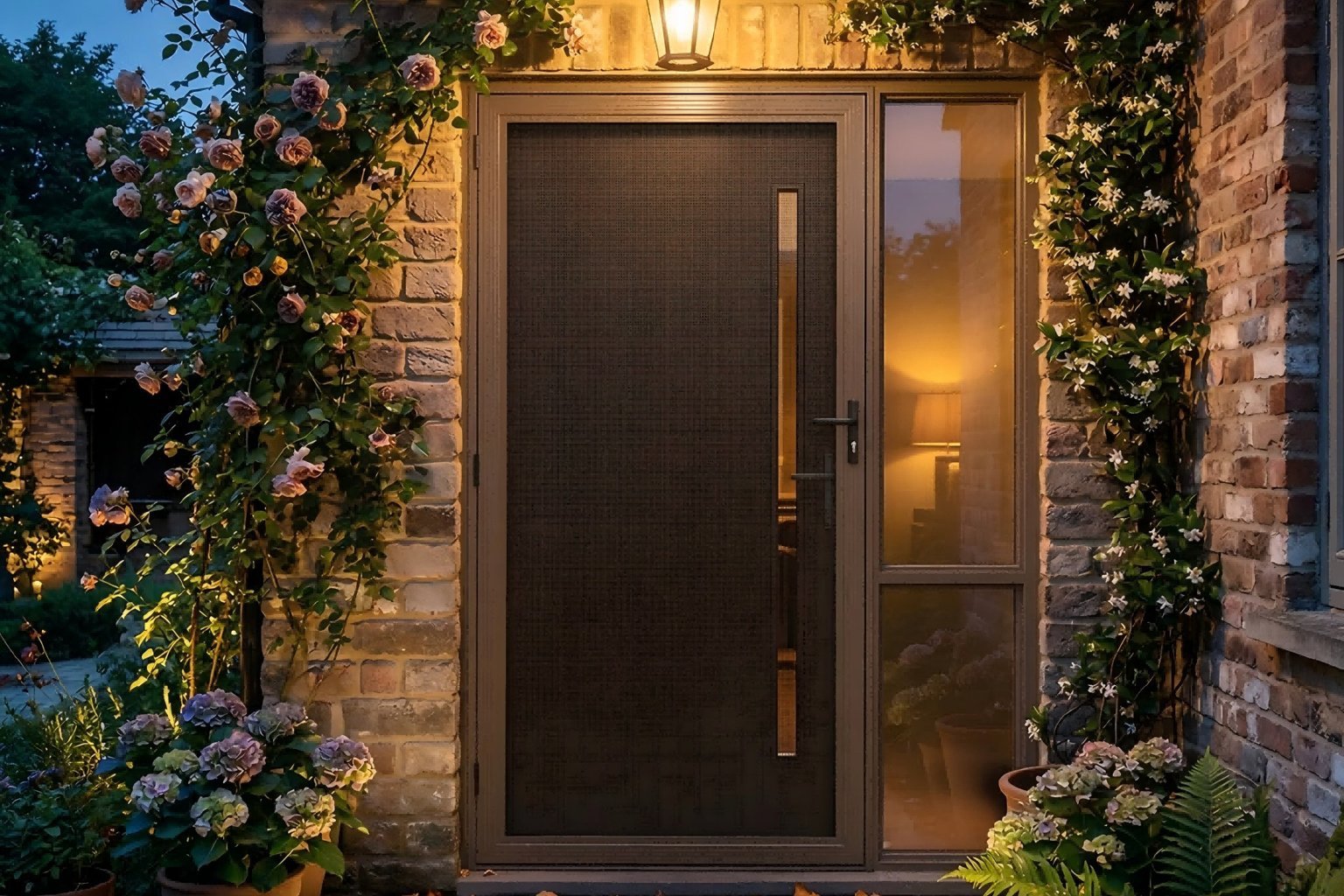 SpecifyingScreens and the insect-load marketAdam Windows Team • October 4, 2026In the insect-load markets — South-East Asia, Africa, tropical Australia — a screen is not an accessory, it is the reason a window can open at night. The mesh sets a trade between airflow and insect exclusion, and the build sets another between a fixed screen and one that rolls away. The specification names the mesh, the frame and the operation, and the window is ordered with the screen as a line, not added on site.Read more →
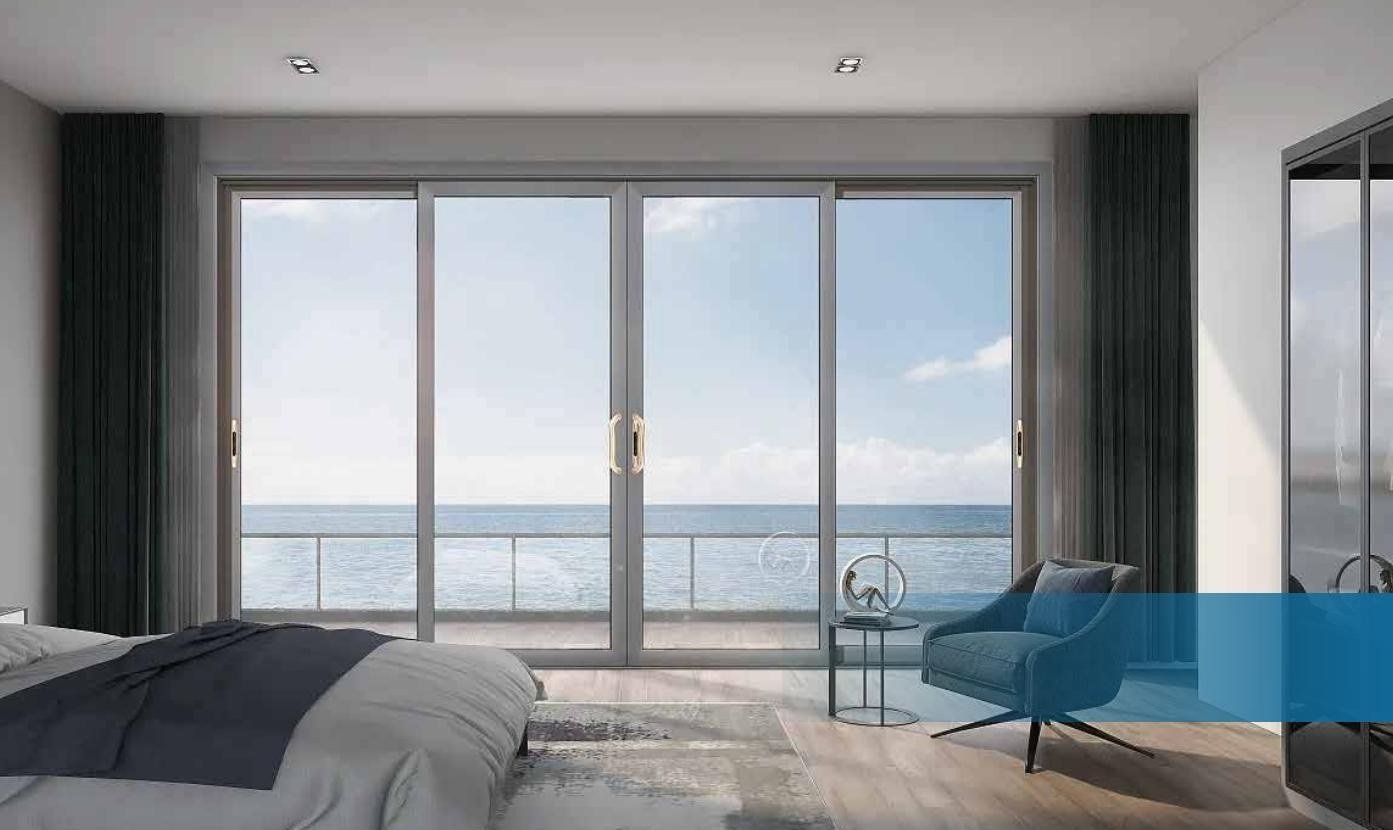 ComparisonsLow-E coatings: soft coat vs hard coat for aluminium windowsAdam Windows Team • October 4, 2026A low-E coating controls the heat that would otherwise radiate across the cavity, and there are two ways to make it: the soft coat, deposited in a vacuum and the higher performer, and the hard coat, fired onto the glass as it is made and the more durable. The soft coat has to live inside the sealed cavity; the hard coat can face the weather. The schedule picks the coat by where it goes and what it has to do, not by a generic low-E line.Read more →
 ComparisonsThermal-break vs non-thermal framesAdam Windows Team • October 4, 2026Aluminium conducts heat, which is its virtue in a heat sink and its problem in a window frame. A thermal break puts a non-conductive bridge between the outer profile and the inner profile, so the two do not conduct into each other; a non-thermal frame is one extrusion of aluminium from inside to outside, and it is the cheapest way to hold glass. The choice is set by the climate and the energy code, not by preference — a cold or a code-driven market needs the break, a warm interior partition does not.Read more →
 ComparisonsPowder colours vs woodgrain transfer finishesAdam Windows Team • October 4, 2026The finish on an aluminium frame is a powder coat, and on top of that it can be a solid colour or a woodgrain. The solid colour is the powder itself, in any RAL or a custom shade; the woodgrain is a sublimation transfer, a film applied over a powder base and baked in, so it is a pattern on a coating, not bare aluminium. The choice is aesthetic and durable both: the solid is the tougher finish, the woodgrain the warmer look, and the specification states which basecoat and which warranty the elevation carries.Read more →
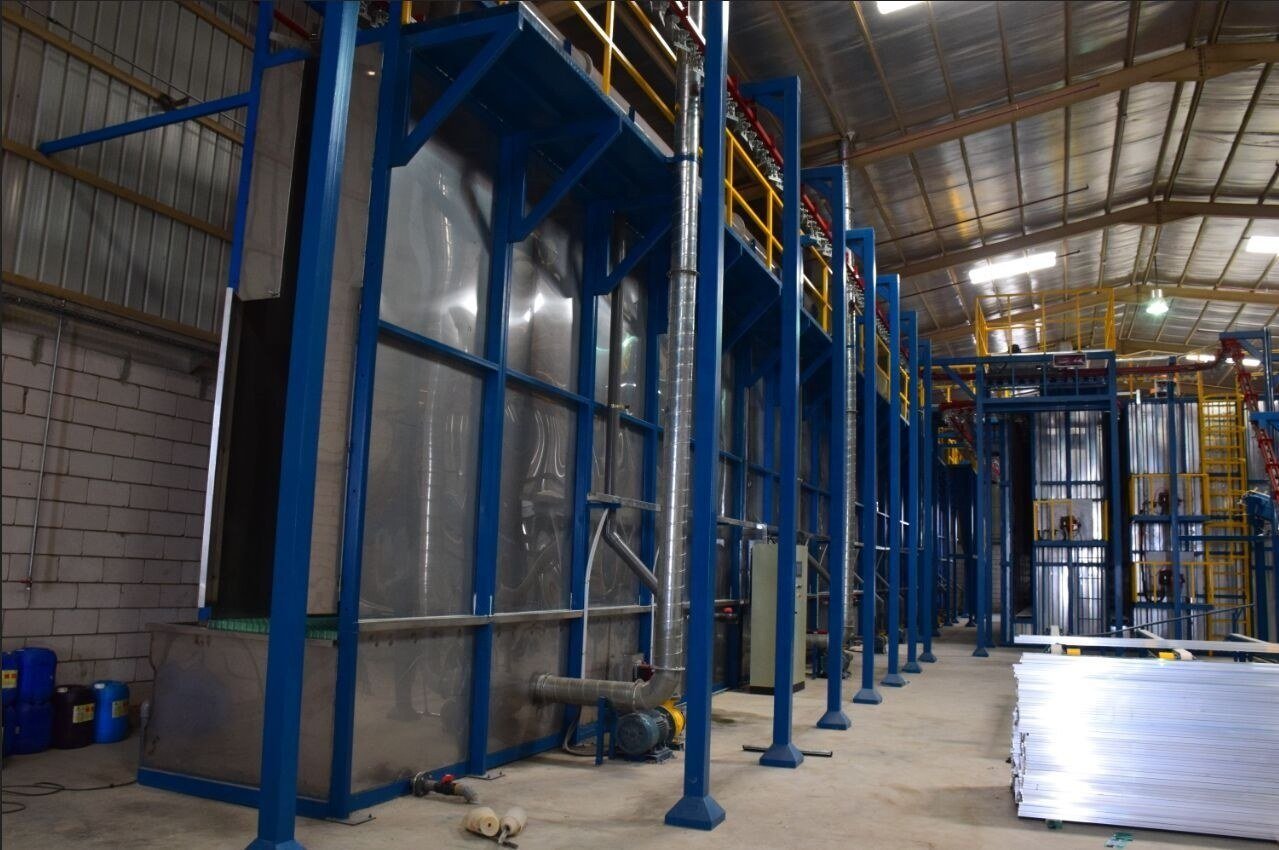 ComparisonsPowder coating vs anodising for export windowsAdam Windows Team • September 23, 2026Powder coating and anodising are the two standard finishes for export aluminium windows. Powder coating wins on colour range — any RAL, two coats at 60–80 µm — and on corrosion schedules; anodising wins on metallic appearance, surface hardness and long-term cost for plain silver and grey series. Most export specifications use powder for coloured façades and anodised natural where the metal look is wanted.Read more →
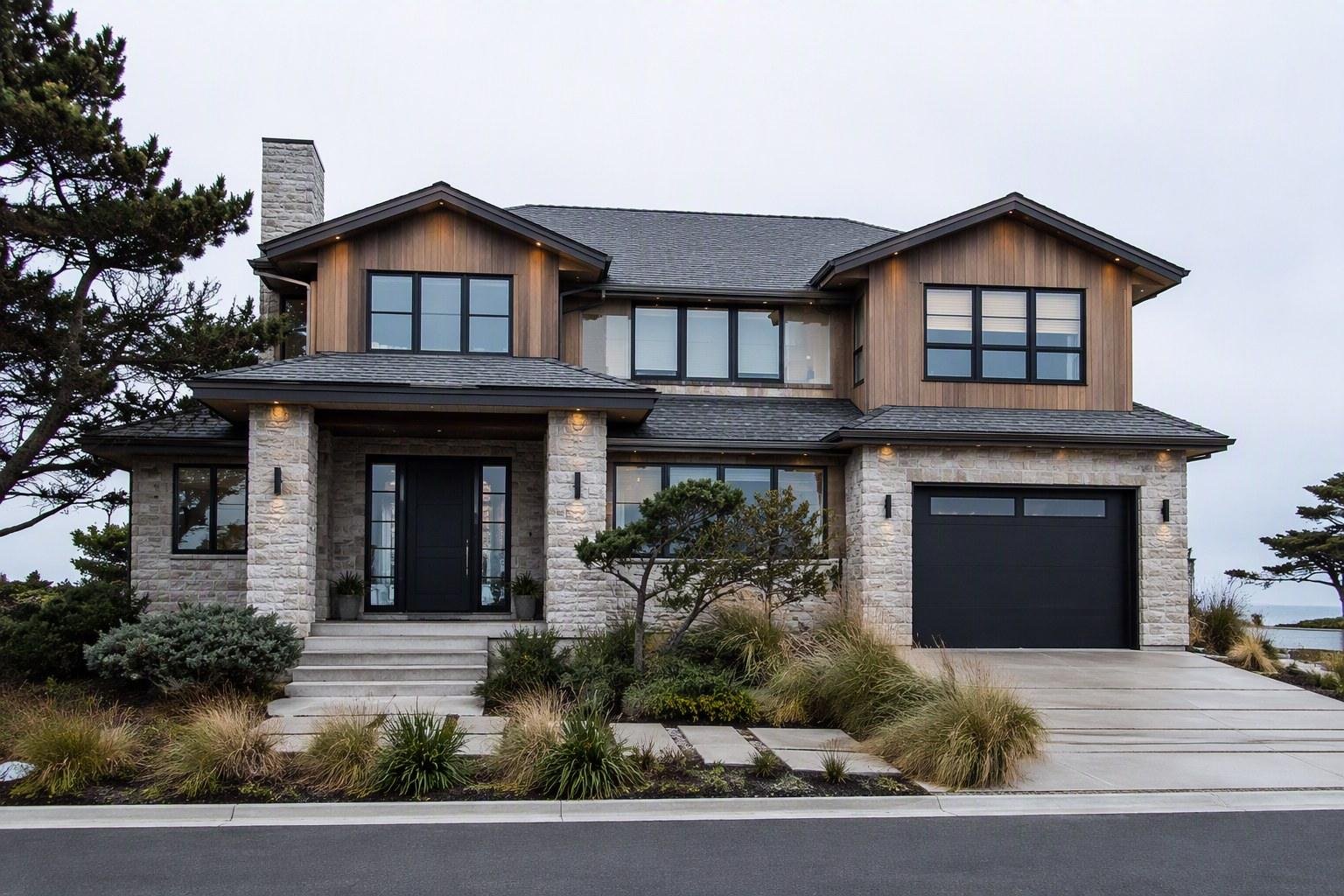 ComparisonsLaminated vs tempered glass for impact ratingAdam Windows Team • September 23, 2026Laminated vs tempered: for impact-rated glazing the laminated layer does the rating: its PVB or SGP interlayer holds shattered glass in place, which is what the projectile test measures. Tempering strengthens a single pane but turns failure into full breakage, so a tempered-only lite fails the large-missile criterion. Impact lites are built as a laminated core — typically a tempered or heat-strengthened outer pane, the interlayer, and an inner pane — inside an IGU where insulation is wanted.Read more →
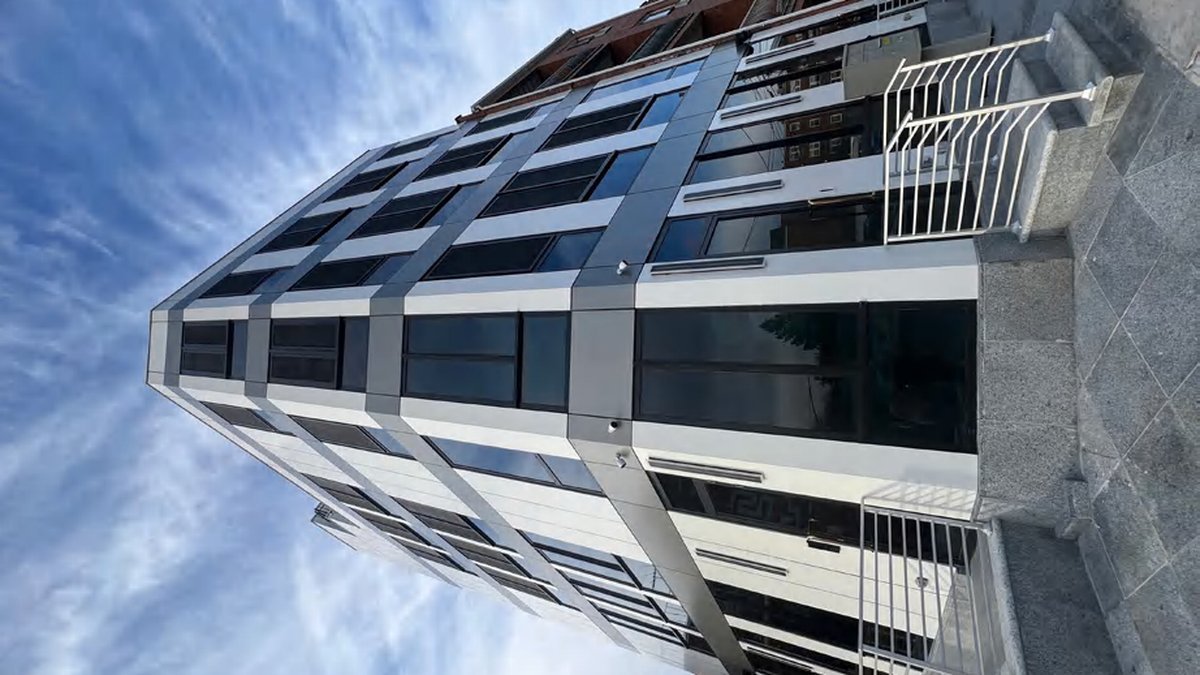 MarketsSourcing custom aluminium windows for the US marketAdam Windows Team • September 23, 2026Sourcing custom aluminium windows for the US means building the specification around three things: the listing path your jurisdiction requires (Miami-Dade NOA for the hurricane coast, state energy code for inland), the glass schedule, and the documentation trail your AHJ will ask for. The factory work is the easy part; the paperwork and the port logistics decide whether the project lands on schedule.Read more →
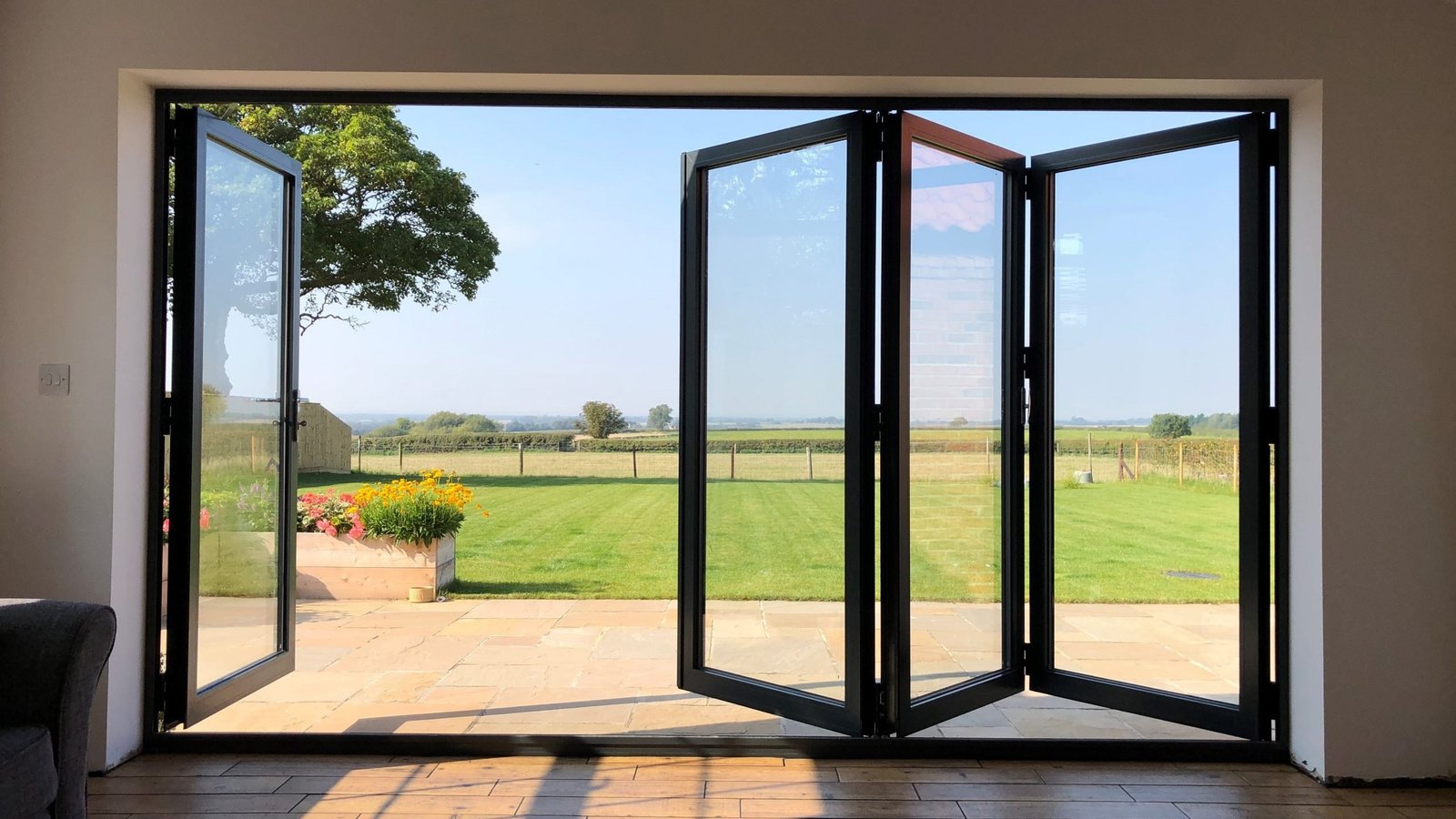 SpecifyingLift-slide door sizes: clear opening vs frame widthAdam Windows Team • September 23, 2026Frame width is what you order; clear opening is what the wall actually gives you to walk through. On a multi-leaf lift-slide door the two diverge with every added leaf — track, stiles and the fixed centre all take width — and because architectural drawings usually dimension the opening, the window schedule has to carry the conversion. Specify both numbers and the argument is over before production starts.Read more →
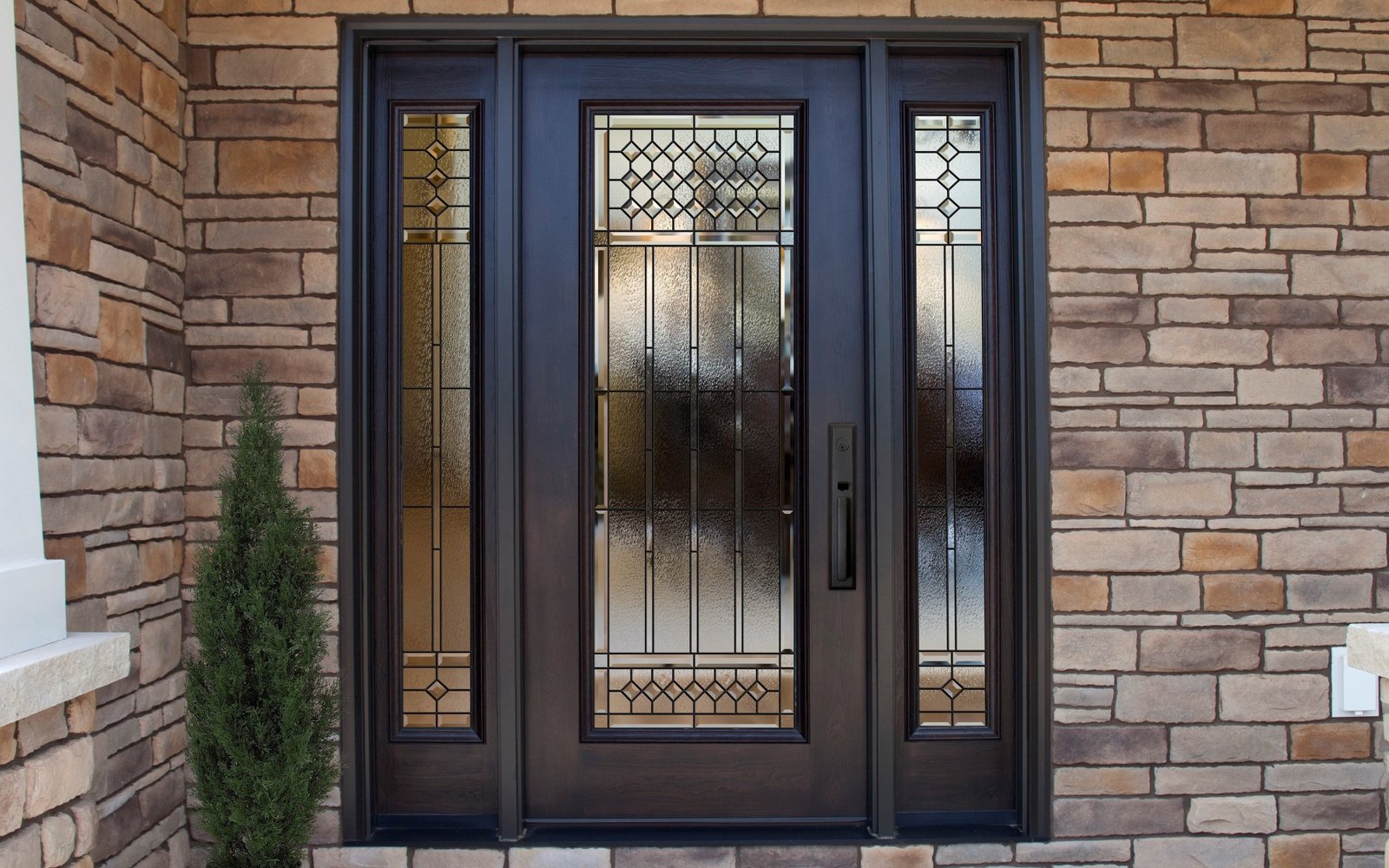 SpecifyingHow to specify impact-rated windows for a Florida villaAdam Windows Team • September 23, 2026Specifying impact-rated windows in Florida is position-driven, not style-driven. Every opening below the 30 ft debris line on an HVHZ elevation must carry a unit that passed the large-missile test on the Miami-Dade NOA / FBC path; everything else follows energy and schedule logic. State the wind zone, classify each position, and leave the glass build to the test report — the villa ships with the PGT documentation for the configured model.Read more →
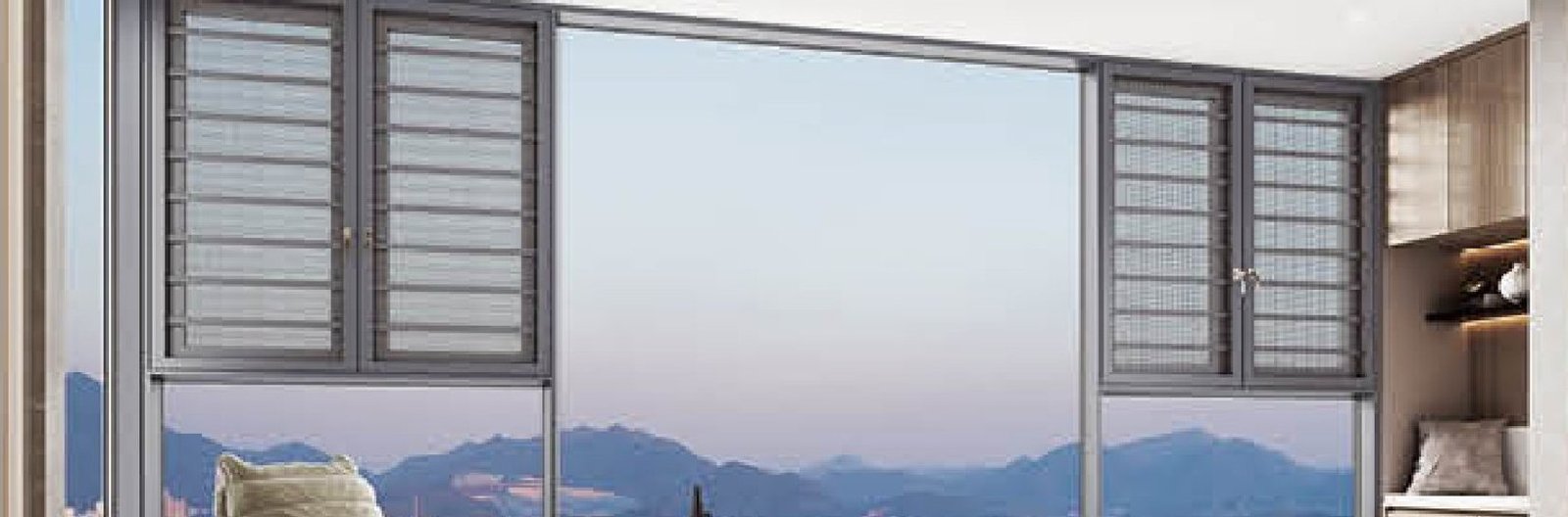 SpecifyingTilt-turn vs casement: what European buyers expectAdam Windows Team • September 23, 2026Tilt-turn is the default action on European-spec export work: one sash that tilts in at vent height for controlled ventilation and turns fully for cleaning and access, locked by six to twelve points around the perimeter. The casement line (CW-60) is the same 70 mm thermal-break platform with a hinged action — chosen where the drawing wants outward opening, a wider multi-bay run, or the simpler hardware budget. The choice is made per opening, and both actions live on one façade.Read more →
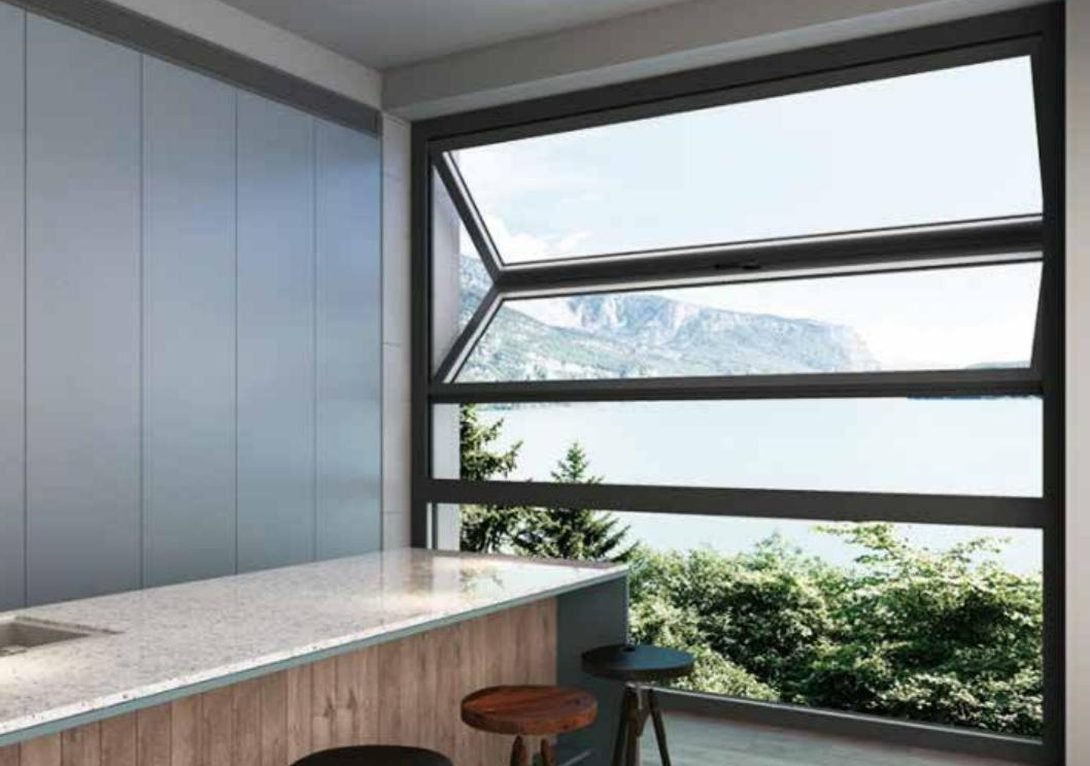 SpecifyingAcoustic glazing: how 45 dB is actually achievedAdam Windows Team • September 23, 2026The 45 dB figure is a system property, not a glass property. AC-90 is the acoustic glazing line that pairs a 47 dB asymmetric laminated IGU (24–42 mm total) with a sealed dual-cavity frame and a dedicated acoustic gasket, certified to Rw 45 dB to EN ISO 10140-2. The frame has to be as quiet as the glass — air leaking past the sash bypasses the glazing entirely, which is why Class 4 airtightness is part of the acoustic build rather than a separate specification line.Read more →
 SpecifyingWood-aluminium windows for coastal AustraliaAdam Windows Team • September 23, 2026A wood-aluminium window gives the Australian coastal project both halves of the brief in one profile: solid thermally modified timber on the inside — ash, oak or pine — and a weatherproof aluminium cladding outside, structurally bonded into a single section. WA-70 carries that build to a 1,600 × 2,200 mm sash, with the salt-fog hardware schedule, the AS 1170.2 wind-zone configuration and the low-U triple-IGU thermal case the NCC energy line asks for.Read more →
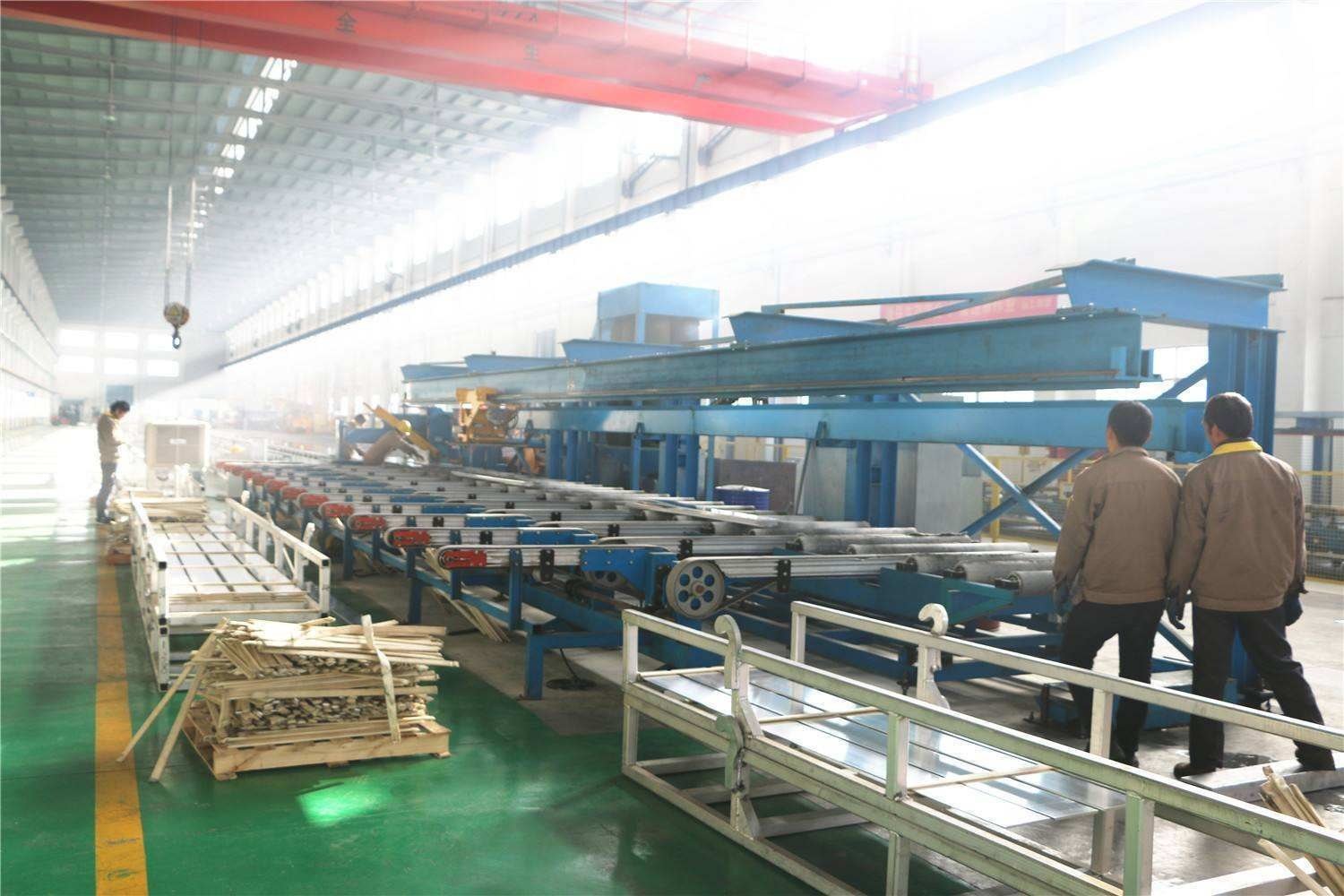 SpecifyingHow factory-assembled sashes cut site labourAdam Windows Team • September 23, 2026Factory-assembled sashes mean the sash leaves the line already glazed, hung and gasketed: the installer sets a finished unit into the frame instead of building one in the weather. The site saves the glazing, the gasket compression and the multi-point adjustment — the three operations that are hardest to quality-check on a roof or a fourth floor — and the container is loaded with a per-bay report and a packing list per crate that the site agent can claim against.Read more →
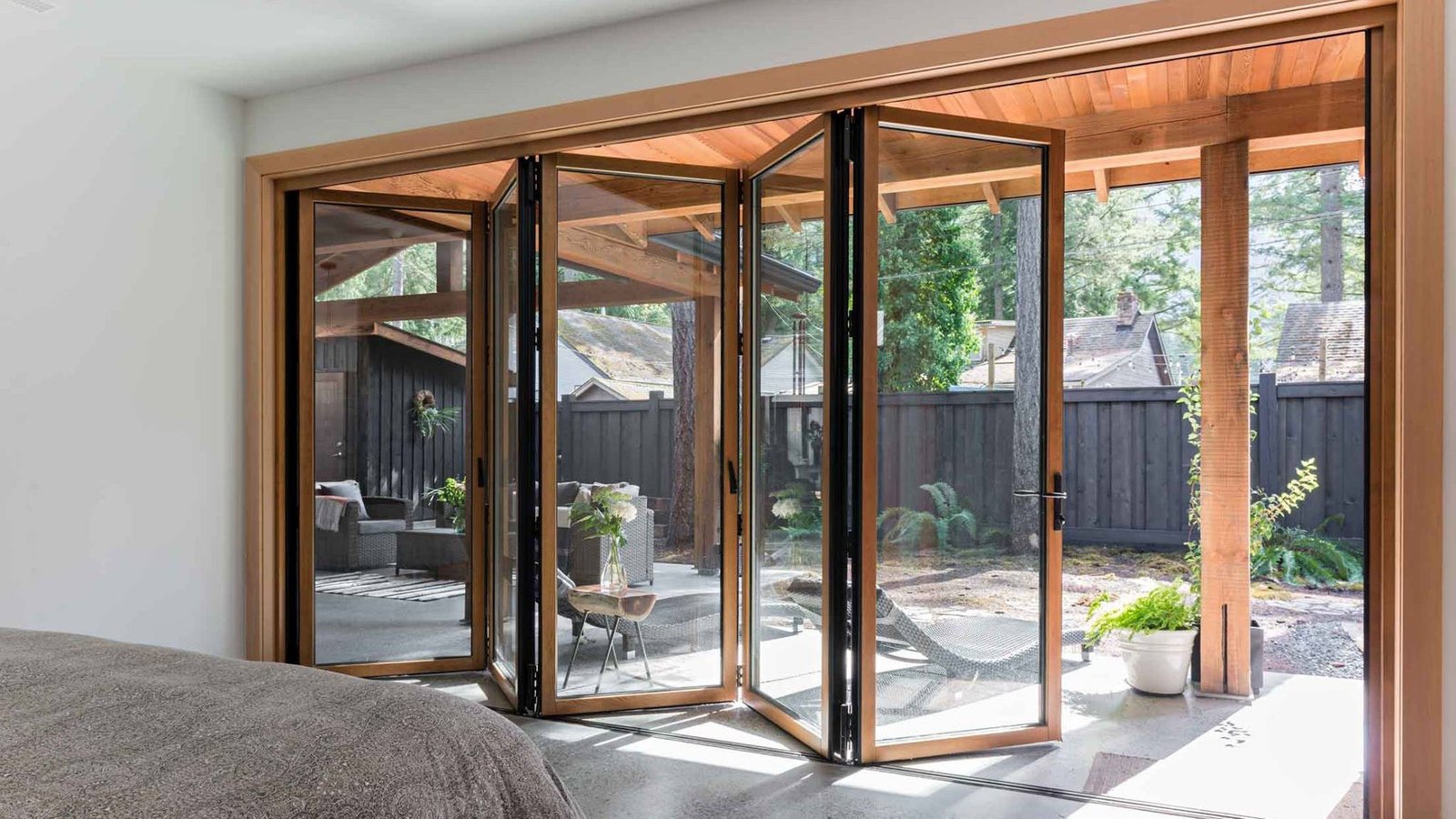 MarketsThe Australian cyclone rating system, explainedAdam Windows Team • September 23, 2026The Australian cyclone rating is set by two standards working together: AS/NZS 1170.2 names the wind region — A to D, from the regional wind speed and the exposure class — and AS 2208 names the impact rating for positions in the cyclone impact region. The window proves both at a NATA-accredited laboratory on the configured unit, and the report ships in the document pack with the first container. On our schedule that is the IR-80 AU configuration: the AS 2208 cyclone build on laminated AS 1288 glass.Read more →
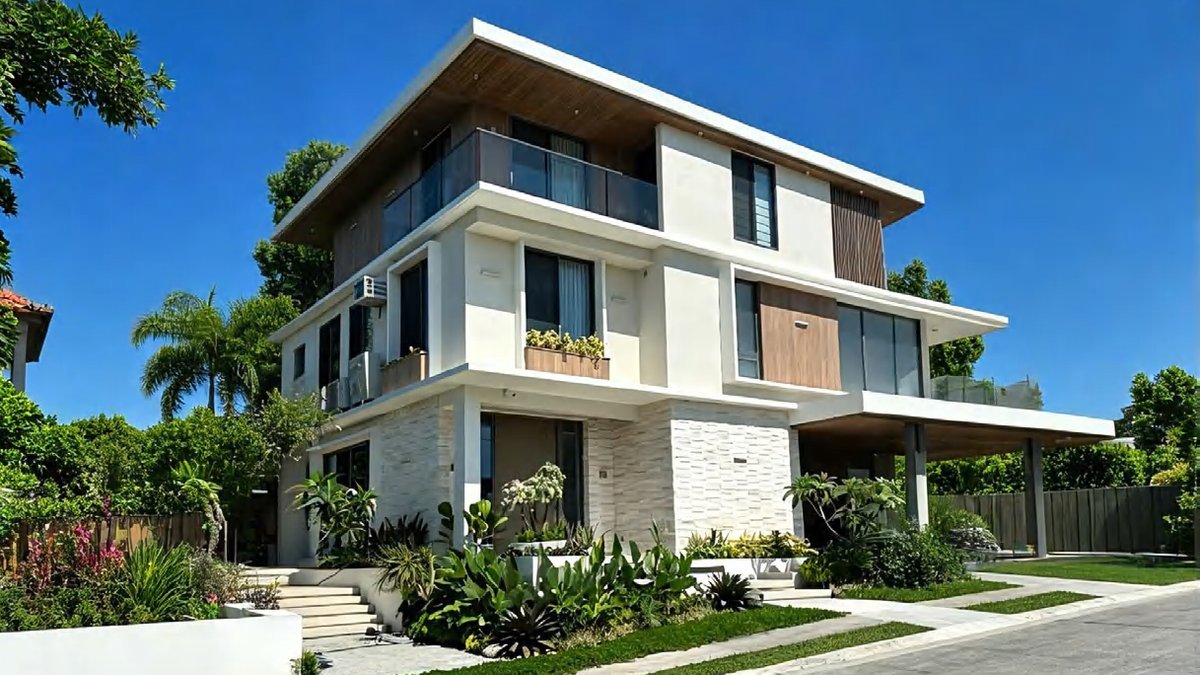 MarketsWindows for tropical South-East Asia: ventilation firstAdam Windows Team • September 23, 2026In the tropical market the window is ventilation equipment first: the brief is cross-breeze that runs all year, monsoon protection without closing the room, salt air on the hardware, and an insect load that makes the screen a first-class line item. The schedule that works is the sliding door with its integrated screen track, the tilt sash for controlled opening, and the glass-roof and louvered lines that keep the outdoor room usable through the wet season — factory-assembled, SGCC where Singapore applies, on a 30–45 day schedule.Read more →
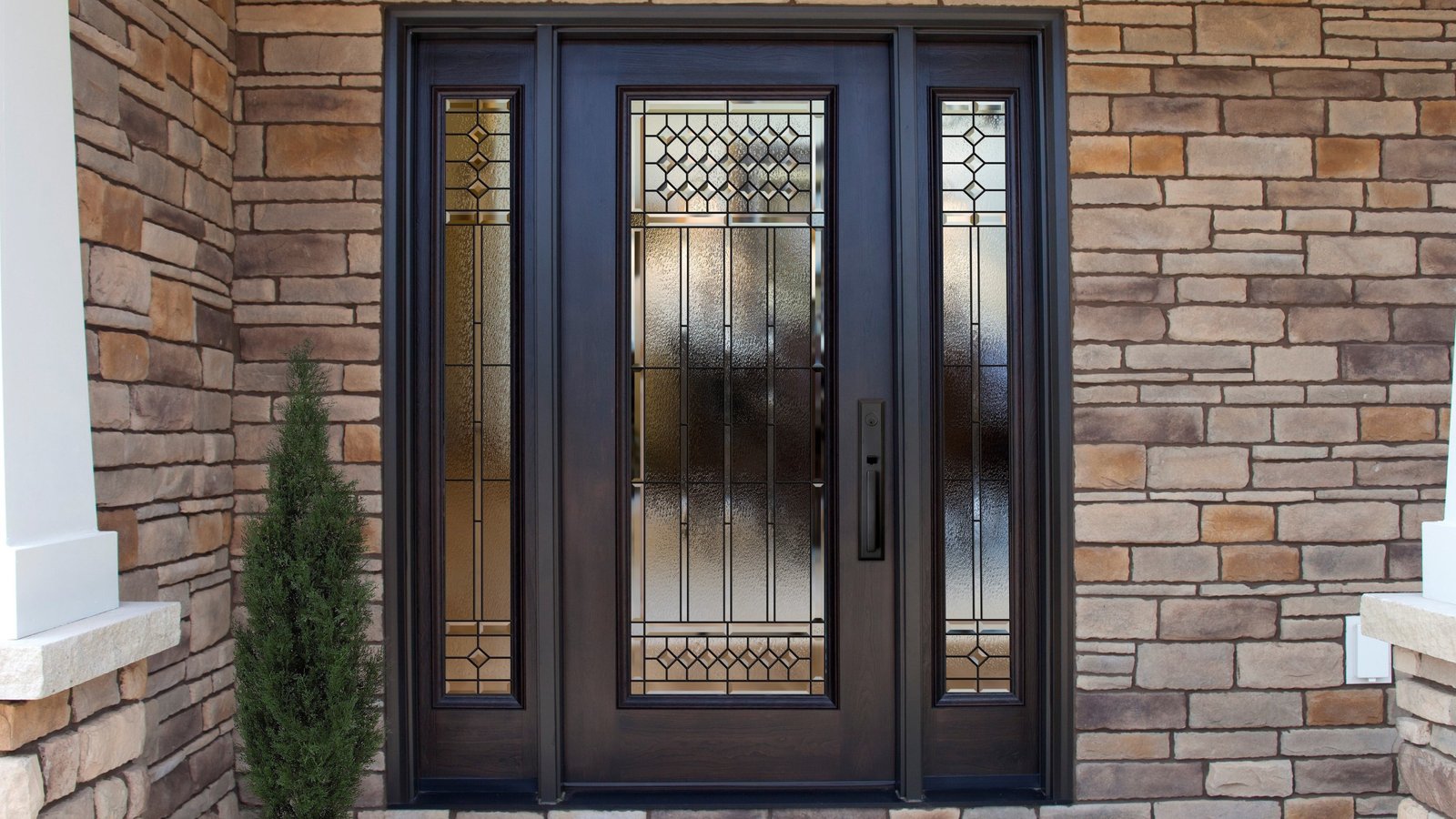 MarketsSecurity glazing in South AfricaAdam Windows Team • September 23, 2026The South African brief puts security in the glazing itself — security glazing, not a grille behind it: a laminated core that holds the glass in place after a strike, key-operated multi-point locking at the sash, and the impact-rated line where the position demands it — all on a solar-control schedule for the bright, hot climate. The units test to SANS 10400-N with the report per model, travel crated for the long haul to Cape Town or Durban, and quote at 35–50 days on the solar-control schedule.Read more →
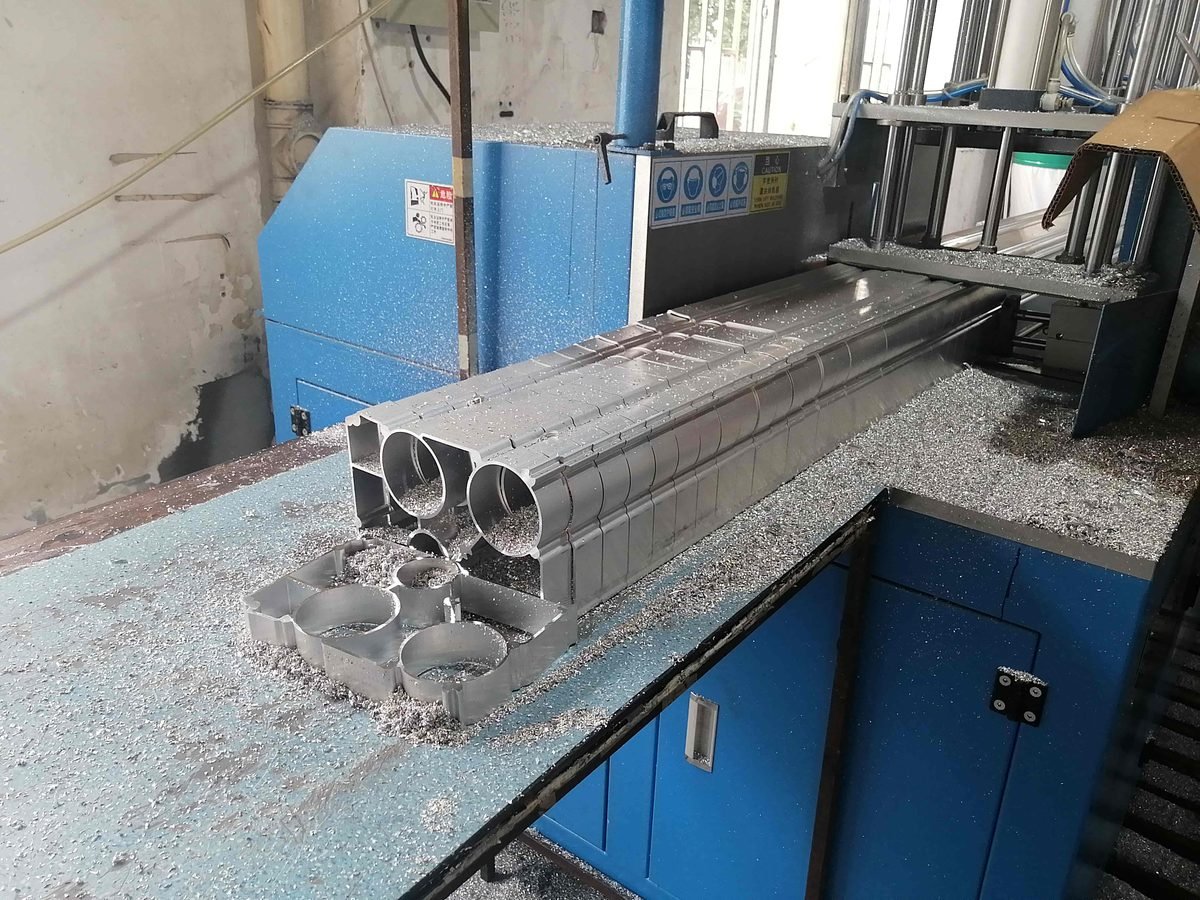 Comparisons6063 vs 6061 aluminium alloy: which suits window profilesAdam Windows Team • September 23, 2026In the 6063 vs 6061 question for window profiles, the frame is extruded 6063: it extrudes the complex multi-chamber section cleanly, takes the anodise and powder finish, and carries the wind load the frame is sized for. 6061 is the stronger, more machinable alloy — roughly 2.5 times the yield strength of 6063 in the T6 condition — and it shows up on the window at the hardware and the reinforcement: the bearing that carries a 400 kg pivot leaf, the stiffener behind a 4,000 mm fixed pane. The frame wants 6063; the load points want 6061. The specification names both.Read more →