
Ground floors & entrances
Security & entry
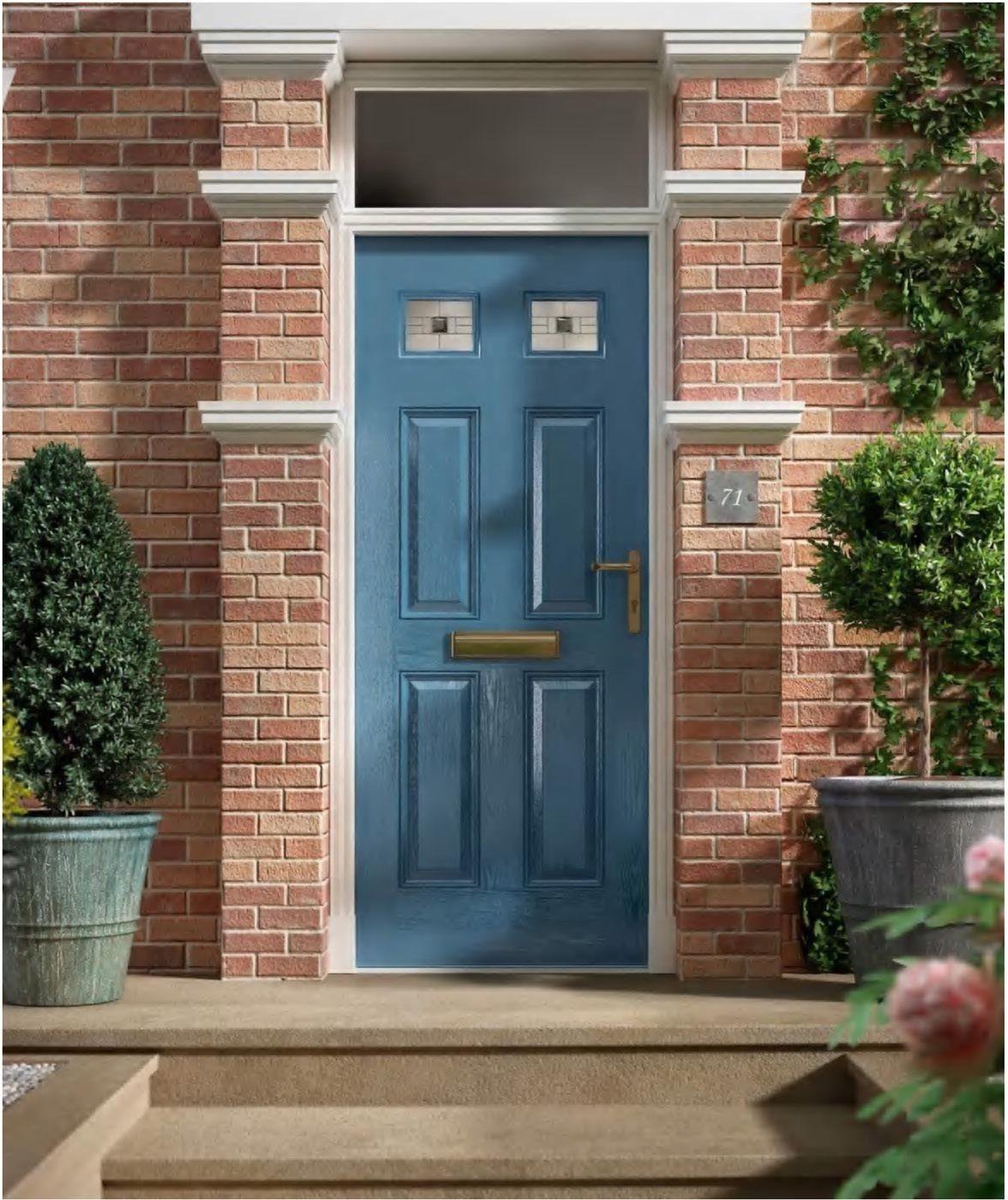
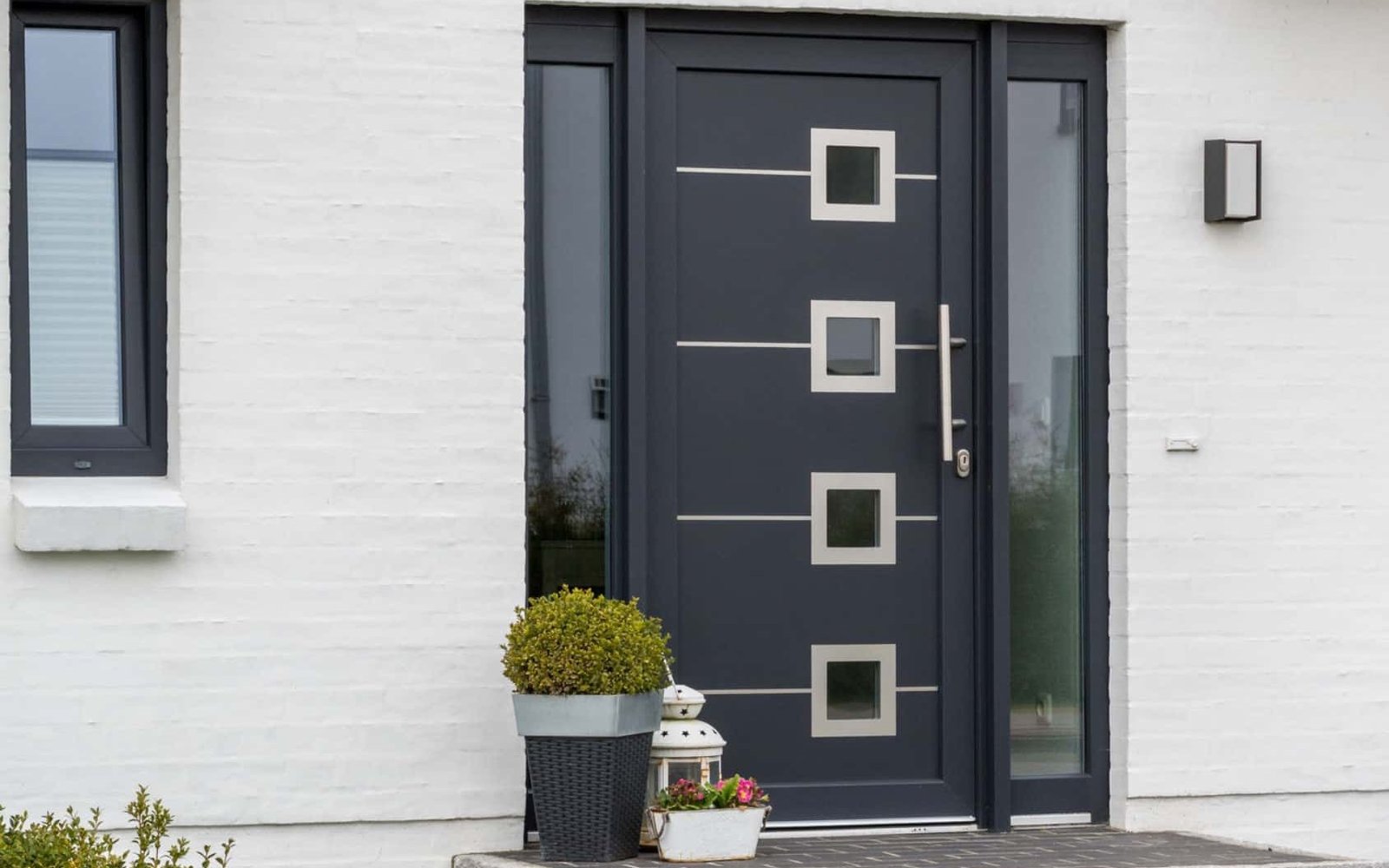
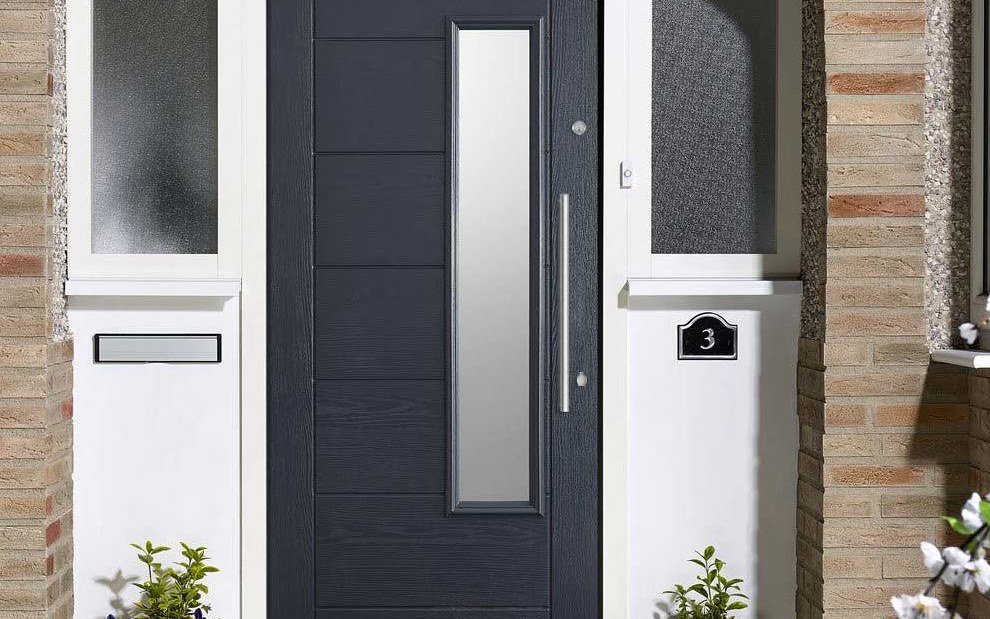
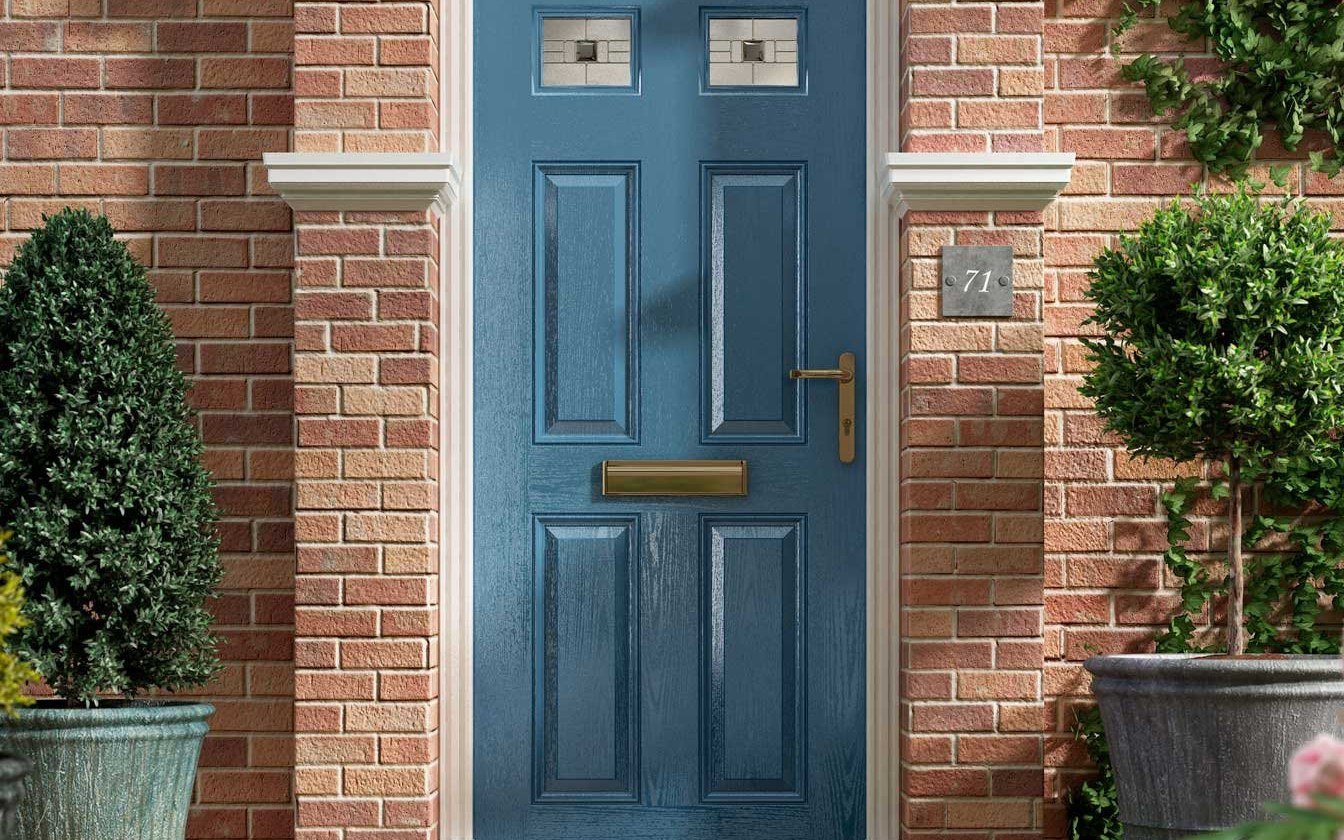
Security is a locking schedule, not a thicker glass. The range standard is 6 to 12 point multi-point locking with the anti-lift cam on every sash, key-operated handles on ground floor, and the laminated core from the impact range doubling as the glass-break layer. In South Africa the schedule is set to SANS 536 as standard.
6–12 point multi-point, full perimeter
Key-operated for ground floor
Key deadbolt, FD-60 ENTRY
Laminated core, SANS 536 option (Africa)
How it is built
6 to 12 point locking
Multi-point compression across the full sash perimeter — the sash is held all round, not at one stile.
Key-operated ground floor
Key-operated handles as the ground-floor standard, with the turn position as the security position on tilt-turn.
SANS 536 schedule
South African projects are specified to SANS 536 by default — the locking and mesh schedule the market already audits.
Material & process
Locking line
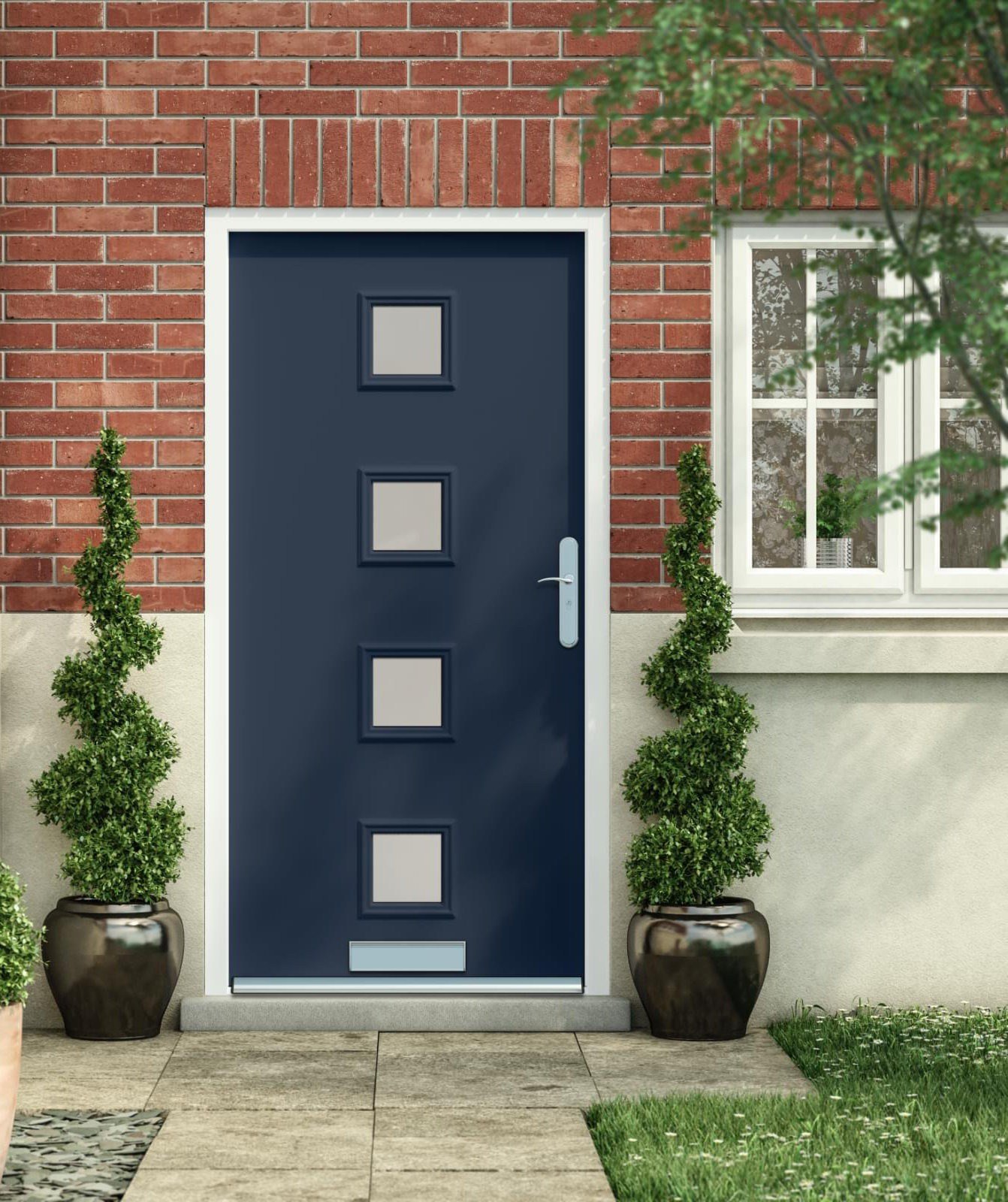
6 to 12 point multi-point compression across the full sash perimeter, the anti-lift cam on every sash, and key-operated handles as the ground-floor standard.
Glass-break layer
The laminated core from the impact range doubles as the security glazing — shattered glass stays in place, which is the argument the burglar is designed around.
South Africa first — the SANS 536 locking and mesh schedule is the default there — with the same line travelling to the ground floors of all four markets.
In the field
What it buys you
A locking schedule the market already audits: SANS 536 by default in South Africa, the multi-point line as the standard elsewhere.
The security position is the turn position on tilt-turn — the window the occupant already uses daily is the one that locks hardest.
The hardware is serviceable and listed in the quotation, so the security specification does not decay into a maintenance problem by year five.
Specified systems
All systemsTilt & Turn Windows
A tilt & turn window is a single sash that both tilts inward at vent height for ventilation and turns fully for cleaning and access. TT-75 pairs that dual opening with 6–12 point multi-point locking, key-operated handle options and flush insect screens, making it the standard specification for European-style export projects.
Casement Windows
A casement window is a hinged window whose sash swings open on the side — outward or inward — and seals with multi-point locking across a full-perimeter gasket. CW-60 carries that classic action on a 70 mm thermal-break platform, Class 4 airtight, with sashes up to 1,200 × 1,800 mm, the standard specification for ground floors and mixed façades.
French Doors
French doors are a pair of hinged, full-glass leaves opening to a terrace, garden or entry foyer. FD-60 cuts them in slim thermal-break aluminium — each leaf up to 1,000 × 2,400 mm on concealed hinges rated 120 kg — with a central 6-point lock, low-profile or flush threshold, and tempered or laminated glass per position.
Pivot Doors
A pivot door is a single oversized leaf that turns on floor and head bearings instead of side hinges, carrying full-glass or solid panels up to 2,100 × 3,000 mm. PV-75 rates its bearings to 400 kg with centre or offset geometry, an assisted-close damper and a full-height hand-pull — the entrance-as-statement specification.
Questions we get on this specification
Which locking schedule do you use?
6 to 12 point multi-point locking depending on the sash size, with the anti-lift cam on every sash and key-operated handles as the ground-floor standard.
Do you spec to SANS 536 for South Africa?
Yes — South African projects default to the SANS 536 locking and mesh schedule, and the documentation is issued with the quotation.
Specifying security & entry?
Send the drawings or a window schedule — the quotation returns within 24 hours, with the test documentation for this specification attached.