

Windows and doors for the Canadian market
Two separate gates decide whether a window can be used in Canada, and neither is the one a US submittal already answers. The performance gate is NAFS with the Canadian supplement behind it; the energy gate is ENERGY STAR Canada, which is its own programme. We build the cold-climate envelope to both, and we say plainly where the tariff sits.
- NAFS + CSA A440S1 (Canadian supplement); ENERGY STAR Canada v5.0; CSA A440.2 energy rating
- Part 9 housing, multi-unit residential, cold-climate retrofit
- Vancouver, Prince Rupert, Montreal, Halifax
- 35–50 days in production, plus 15–22 days at sea to Vancouver
Systems for this market
All 20 systems
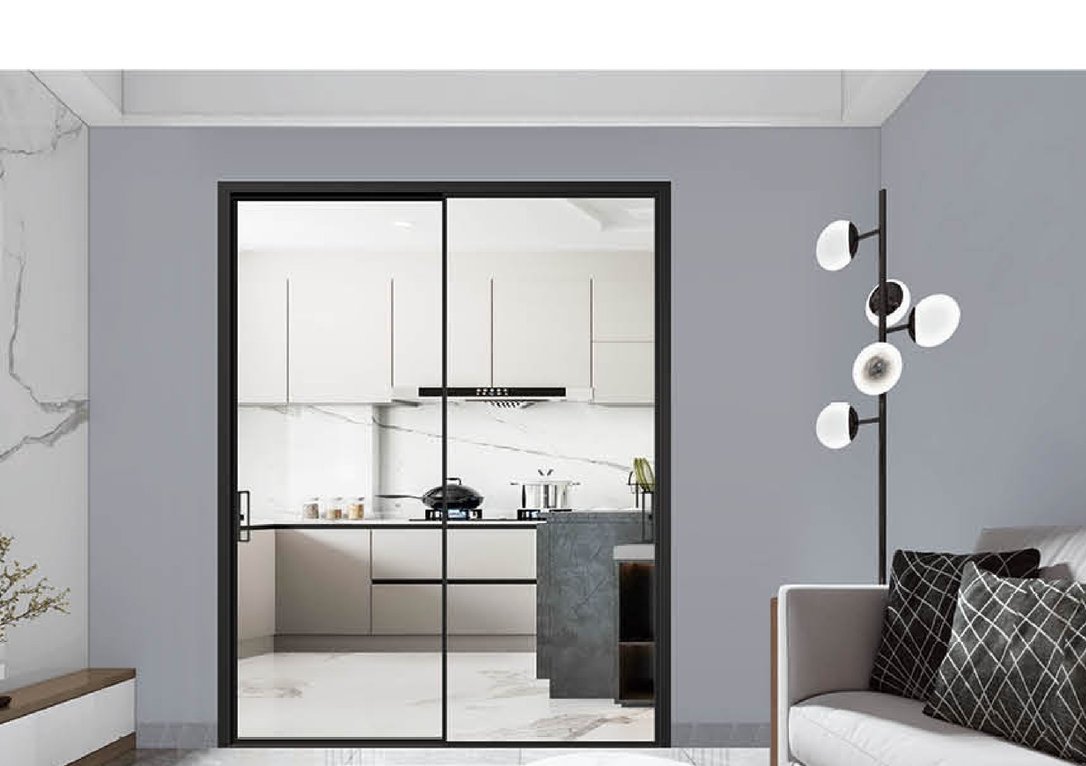
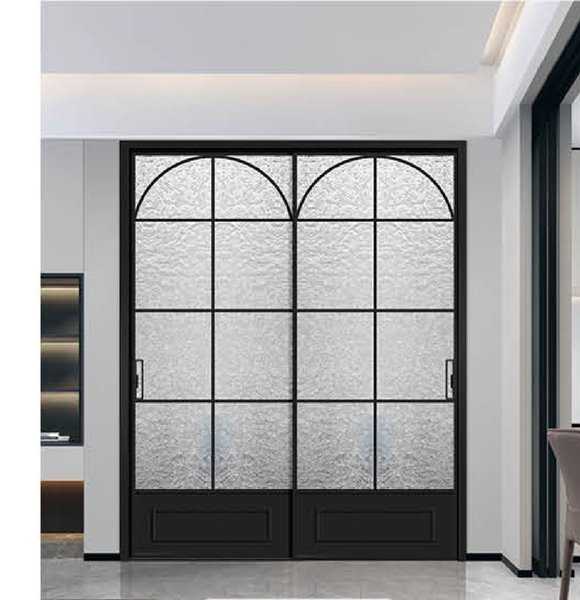
Reference projects
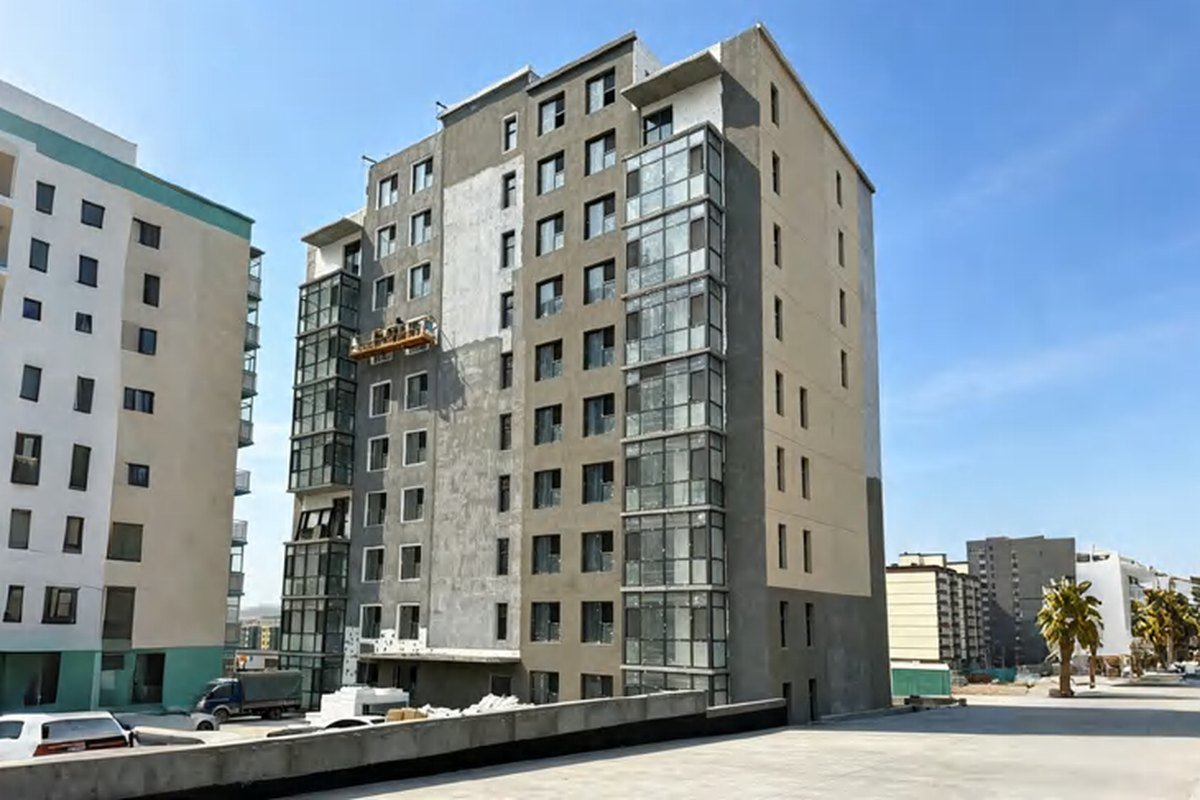
All projectsThe reference shown is a cold-climate build from the Mongolia file — the closest project on record to the Canadian thermal case. Canadian projects are quoted per configuration.
Certification path
The performance route is AAMA/WDMA/CSA 101/I.S.2/A440 read together with the Canadian supplement, CSA A440S1. A NAFS report written for the US does not carry the supplement; a European, British or ISO report does not qualify at all. The energy route is ENERGY STAR Canada version 5.0, a different specification from the US programme, and the model has to be registered with NRCan before it can be labelled. Separately: Canadian anti-dumping and countervailing duties on aluminium extrusions from China were continued on 1 October 2025 — 101 percent of the export price and 15.84 yuan per kilogram on goods inside the product definition — so the classification of a configured unit has to be settled with a customs broker before the order, not after the container lands.
AAMA/WDMA/CSA 101/I.S.2/A440
NAFS performance class and grade
CSA A440S1
Canadian supplement — air infiltration and exfiltration, water resistance, municipal wind data
ENERGY STAR Canada v5.0
U-factor 1.22 W/m²·K or better, or ER 34 and above
CSA A440.2
Energy performance and the ER calculation
Shipping & ports for Canada
The standard trade routes we consolidate to for this market. Transit is the ocean leg only — the door-to-door lead time is the figure in the facts table above.
Vancouver
Prince Rupert
Montreal
Halifax
Canada questions
Can a US NAFS test report be used in Canada?
No. The Canadian route is NAFS read together with the Canadian supplement, CSA A440S1. The supplement changes the air-infiltration requirement, adds exfiltration testing and sets water resistance from municipal driving-rain data rather than from a flat percentage of design pressure. A NAFS report written for the US without the supplement does not qualify, and a European, British or ISO report does not qualify at all.
Is a US ENERGY STAR model also ENERGY STAR in Canada?
No. The two programmes carry different technical specifications. Canada runs version 5.0, which asks for a U-factor of 1.22 W/m²·K or better on windows and doors, or an ER of 34 and above, and the model has to be registered with NRCan before it can be labelled and sold as certified.
Do the duties on Chinese aluminium extrusions apply to a finished window?
The measure covers extrusions in the 1, 2, 3, 5, 6 and 7 alloy series with a wall thickness above 0.5 mm, a maximum weight of 22 kg per metre and a section that fits inside a 254 mm circle, mill, anodised, painted or otherwise coated. Anti-dumping is 101 percent of the export price and countervailing is 15.84 yuan per kilogram. Whether a finished fabricated unit falls inside that definition is a classification question for a customs broker, and it is worth settling before the order rather than at the port.
How long does shipping to Canada take?
About 15 to 22 days at sea from Foshan to Vancouver, on top of 35 to 50 days in production. Prince Rupert runs 15 to 20 days, Montreal 28 to 35 and Halifax 30 to 40, with rail adding a few days for inland destinations.
Does the crating have to be ISPM 15 compliant?
Yes. Canada enforces ISPM 15 on solid wood packaging, so crates and pallets have to be stamped and certified. Uncoded solid wood packaging is refused or destroyed at the border, which is a reason to have the packing method agreed before production rather than at the dock.
What is CARM?
CARM is the CBSA assessment and revenue management system. A commercial importer registers on the CARM Client Portal and authorises the broker there, and since 2025 the importer needs its own financial security rather than relying on the broker bond.
The Canada line card
Get the line card
Systems, standards, ports and lead times for this market — plus a contact who has shipped to it before.