
Markets
Rénoclimat window rebate: the conditions a unit must meet
A Rénoclimat window rebate pays a fixed amount for every existing rough opening where an ENERGY STAR certified unit is installed, and the money follows the paperwork rather than the product. A model that is not on the Canadian certified list cannot be claimed at all, and work finished before the pre-renovation energy evaluation cannot be claimed either.
The Rénoclimat window rebate pays per opening, not per unit
The unit of the program is the rough opening: the hole in the wall or roof structure framed to take the product. The participant guide gives a door and a window the same amount, and counts both per rough opening in the wall or in the roof.
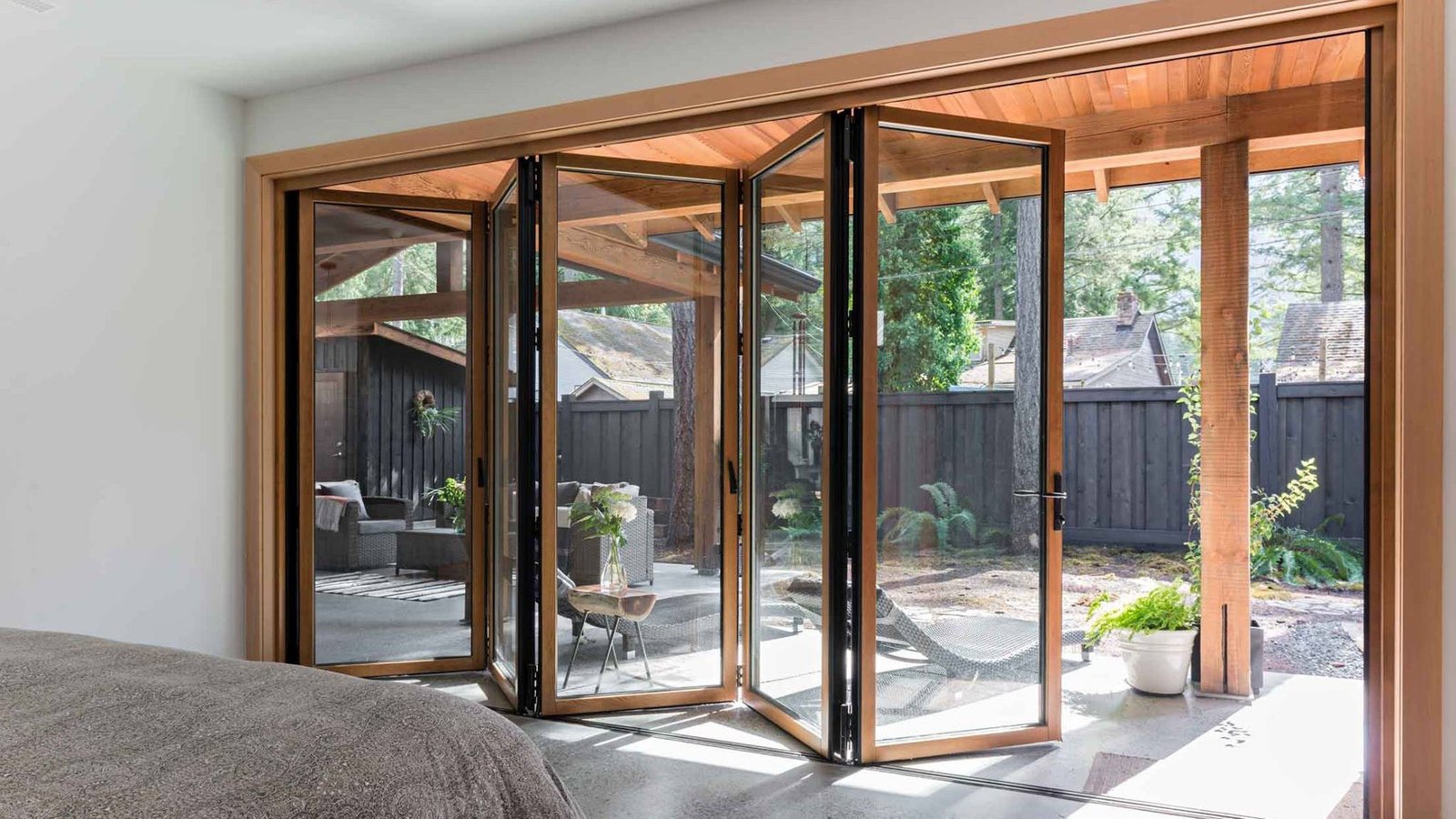
A bay window built from three units in one opening earns one payment. A patio door earns one. An entry door with its sidelights earns one for the assembly. For a supplier this is the number to put on the quotation, because the customer counts openings, and a schedule that counts panes mis-states the incentive by a factor of three.
The same page states the rule that decides the rest of the file: replacing the glass, the sash or a door without its frame is not eligible for financial assistance. A repair does not pay. A complete unit into the opening that already exists does.

The gate is the energy certification
Doors and windows must be ENERGY STAR certified, which since 1 January 2020 means version 5.0 of the technical specifications, administered by Natural Resources Canada. A certified model carries an Energy Rating of 34 or a U-factor of 1.22 W/m2K or better, and the model has to be registered with NRCan under the name it will be sold under.
The consequence for an imported product is direct. If the model is not on the NRCan searchable product list, the Rénoclimat window rebate cannot be claimed for it, whatever the build quality. A unit sold under a distributor brand is registered under that brand, and the label on the unit has to be the one the certifier accepted.
Worth keeping separate: this is the energy gate. The program does not ask for a structural certification. The building code asks for that one, through NAFS and the Canadian supplement, and the two sets of papers are different registrations with different paperwork. A product can be claimable under the program and still fail a code review, and the reverse is equally possible.
What the advisor checks at the second visit
The post-renovation visit is where the money is decided, and the advisor arrives with a list. The guide asks for proof that the units are certified: the ENERGY STAR sticker on each new door and window, and a detailed invoice that states the owner name, the address of the residence, the installation date, the brand name, the model number and the NRCan reference number for each product.
If the proof is thin, or if the installed models cannot be verified in the online NRCan searchable product list, financial assistance cannot be granted. There is no discretion in that sentence. It is why a good product with a sloppy invoice is worth nothing to the homeowner.
For a supplier this is a documentation task with a deadline. The model number and the NRCan reference number have to appear on the quotation, the packing list and the invoice, and the temporary label has to survive the site, because that sticker is what the advisor is looking for. Manufacturers are required to affix a detachable temporary label to certified products, and detachable means the installer takes it off and hands it over with the invoice.
What the program checks, and what it asks for
| Check | What the participant guide asks for |
|---|---|
| The opening | An existing rough opening in a wall or in the roof, filled by a complete unit with its frame |
| The product | ENERGY STAR certified, version 5.0 since 1 January 2020, model on the NRCan searchable list |
| The paper | The ENERGY STAR sticker on each unit, and an invoice with the brand, the model and the NRCan reference number |
| The order | Work carried out between the pre-renovation and the post-renovation energy evaluation |
| The house | In Quebec, three storeys or fewer, 600 m2 at most, habitable for twelve months |
| The money | C$150 per rough opening, capped at C$20,000 per dwelling or C$40,000 for a multi-unit owner |
The sequence decides more claims than the product does
The program runs in a fixed order: registration, pre-renovation energy evaluation, diagnosis and recommendations, the work, post-renovation evaluation, payment. The advisor spends about two hours at the first visit and runs a blower door test to establish the baseline EnerGuide rating. The diagnosis and the recommendations follow within about two weeks.
Work that started before the pre-renovation evaluation is not eligible. The guide says so without softening it, and it is the most expensive mistake in the file, because a certified unit installed a week early is a unit the homeowner has paid for and cannot claim.
The first evaluation costs C$150 plus tax, and that amount is refunded if financial assistance is paid. The post-renovation evaluation is free. A later cycle costs C$150 plus tax again with no refund, so a house done in phases should be planned as more than one file rather than one. Allow about three weeks to get an appointment, and note that only organizations authorized by the program may carry out the evaluation.
What a multi-unit building gets
In a duplex, triplex or multi-unit building the assistance for doors and windows is calculated from the number of rough openings replaced, exactly as in a single house. The multiplier in the program table, 1.8 for two or three units rising to 8.0 for seventeen or more, applies to insulation retrofits. It does not apply to openings, and it does not apply to air sealing.
The cap is the figure to check before a supplier promises a number: C$20,000 for the owner of a single dwelling, and C$40,000 for the owner of a duplex, triplex or multi-unit building, accumulated over the life of the program.
The house itself also has to qualify. It has to be in Quebec, three storeys or fewer above ground, 600 m2 of building area at most, on a permanent foundation, habitable year-round, built and habitable for at least twelve months, and more than half of the floor area residential. A new build is outside the program by definition, and in a project that includes an addition, the part of the work tied to the expansion is deducted from the calculation.

What a supplier has to put on the paperwork
- Register the model with NRCan under the brand that will sell it, and start the registration before the order is quoted.
- Put the model number and the NRCan reference number on the quotation, the packing list and the invoice, one line per product.
- Apply the detachable temporary label to every unit, and tell the installer to keep it with the invoice.
- Count the schedule in rough openings, not in panes, and mark a bay, a patio door or a sidelit assembly as one opening.
- Flag transoms and sidelights separately, because they have to be certified as well as the door.
- Hand the installer a one-page document list, so the advisor is not the first person to ask for the reference number.
What the number is worth
The amount is small on its own and the file is where the value sits. C$150 per opening on a twelve-opening house is C$1,800, a share of a retrofit cost and not a discount on the product. What the program is worth to a manufacturer is the list: a household with an open evaluation file and a budget to spend is a household comparing certified windows, and the certified list is short.
That is also the honest way to sell into it. The rebate does not make an uncertified unit sellable and it does not make a certified unit cheap. It decides, one owner at a time, whether the money arrives, and it arrives only when the model is registered, the label is on the unit and the invoice carries the reference number.
Frequently Asked Questions
What is the Rénoclimat window rebate?
A financial assistance program for the energy retrofit of an existing home in Quebec. For doors and windows it pays a fixed amount for each existing rough opening where a complete ENERGY STAR certified unit is installed, and the payment is decided at the second energy evaluation.
How much does the Rénoclimat window rebate pay per opening?
C$150 for a window and C$150 for a door, counted per rough opening in the wall or in the roof. A bay of three units in one opening counts once, and a patio door counts once. The program total is capped at C$20,000 for a single dwelling and C$40,000 for a duplex, triplex or multi-unit building.
Do the windows have to be ENERGY STAR certified?
Yes. Since 1 January 2020 the units must meet version 5.0 of the technical specifications, which means an Energy Rating of 34 or a U-factor of 1.22 W/m2K or better, and the model must be registered with NRCan and appear in the searchable product list. Sidelights and transoms are certified as well.
Can I replace only the glass or the sash?
No. The guide excludes the replacement of the glass, the sash or a door without its frame. The unit goes into the opening that already exists, complete with its frame. Enlarging an opening is a different question, and a permit question.
What happens if the windows go in before the energy evaluation?
The work is not eligible. Retrofits that started before the pre-renovation evaluation cannot be claimed, and the guide treats this as a hard exclusion. The first visit costs C$150 plus tax and is refunded if the assistance is paid, and the second visit is free.
Does a condo or a duplex get more per window?
No multiplier on openings. In a multi-unit building the assistance for windows and doors is calculated from the number of rough openings replaced, at the same amount as a single house. The multipliers in the program table apply to insulation retrofits.
What has to be on the invoice?
The owner name, the address of the residence, the installation date, the brand name, the model number and the NRCan reference number for each product, together with the ENERGY STAR sticker from each new unit. If the proof is insufficient, or the model cannot be verified in the NRCan list, the assistance cannot be granted.
Standards cited
Three documents decide a Quebec rebate file: the program guide that sets the conditions, the Canadian energy specification the unit is certified to, and the labelling rules behind the sticker the advisor checks.
- Rénoclimat participant guide — the doors and windows measure, the rough opening definition, the invoice fields and the program caps. Québec government
- ENERGY STAR Canada — Canadian fenestration energy specification — U-factor and ER criteria, model registration. Natural Resources Canada
- ENERGY STAR Canada labelling requirements — Marking, artwork and private label registration rules for certified fenestration. Natural Resources Canada