
Smart villas & managed buildings
Smart & automated
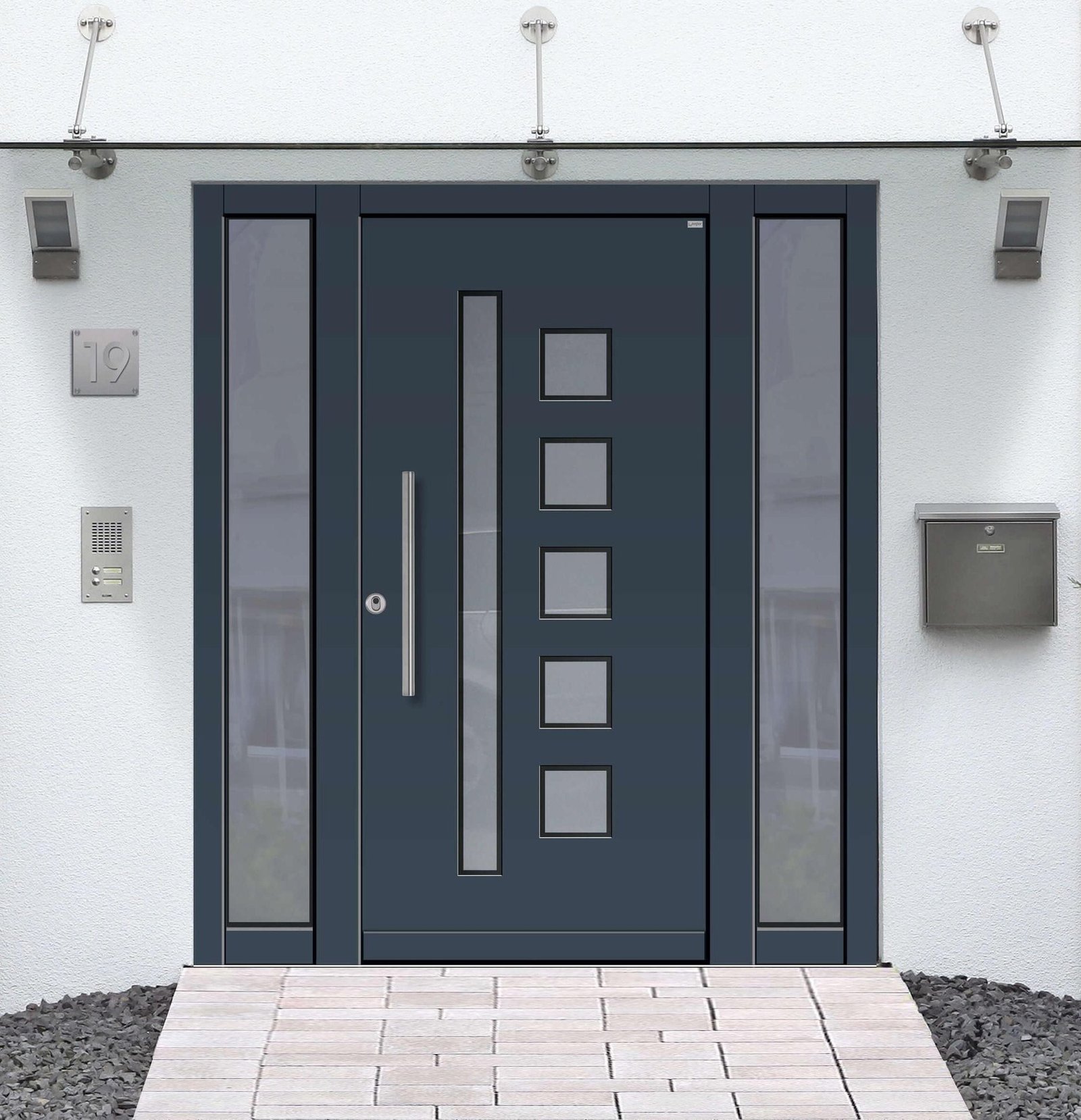
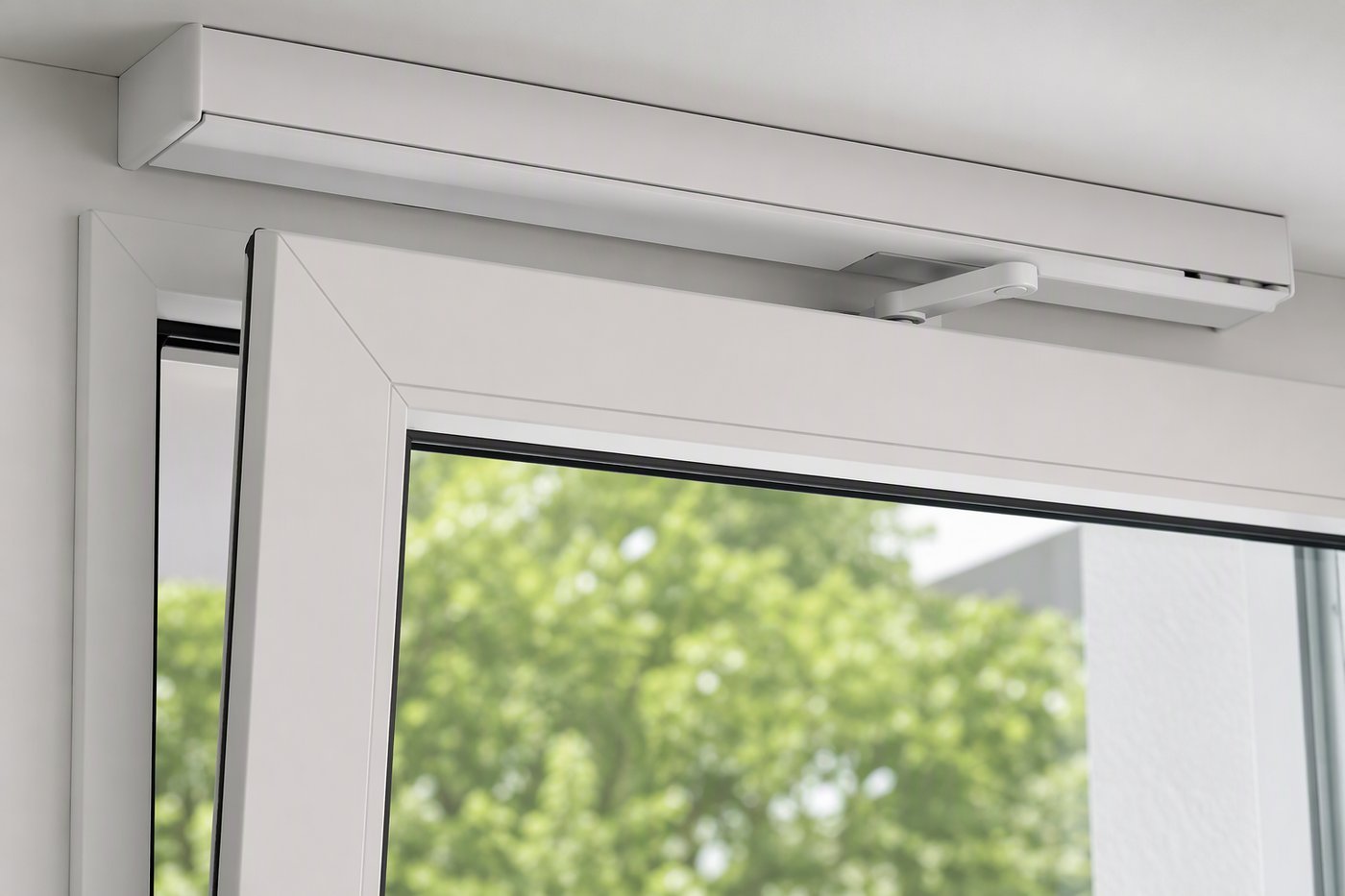
A smart window is an ordinary sash with an integrated servo — nothing exotic about the glass, everything deliberate about the drive. The SM-60 range runs casement, tilt-turn and sliding leaves at under 45 dB of operating noise, with app, switch and voice control, rain-sensor auto-close, and an open API for the building-management system.
Under 45 dB per sash
App, switch, voice, scheduled routines
Anti-crush force limit, rain auto-close
Open API for BMS, 12 V / 230 V
How it is built
Under 45 dB drive
The servo is quiet enough for a bedroom wall — the window closes at a scheduled time without waking the house.
Rain-sensor auto-close
The SM-60 RAIN set closes every drive in the schedule on rain, with battery hold-up when the power drops.
Open BMS API
The range exposes an open API — open on low CO₂, close on the storm front, schedule to housekeeping turnover.
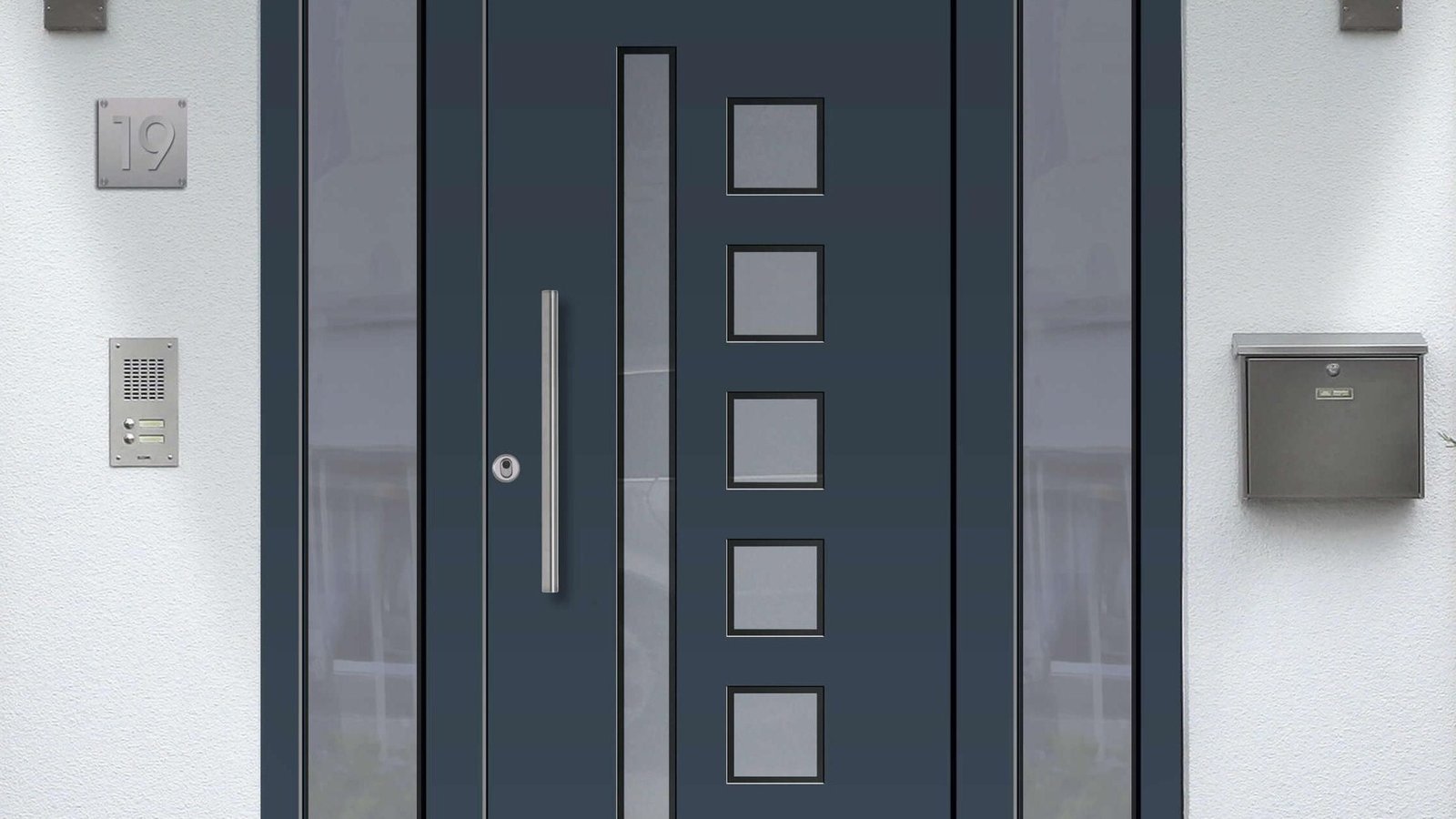
Material & process
Drive
An integrated servo per sash at under 45 dB of operating noise, with the anti-crush force limit on every drive and 230 V or 12 V DC power by building.
Control layer
App, wall switch, voice assistant and scheduled routines, with the rain sensor running independently and the open API feeding the building-management system.
Smart villas, assisted-living residences and managed hospitality in the US and Australia first — the brief where the window is part of the building’s automation, not an accessory to it.
In the field
What it buys you
The sash is an ordinary sash — the drive is the product, and it can be replaced on the sash without replacing the sash.
The open API means the window answers to the BMS: open on low CO₂, close on the storm front, schedule to the housekeeping turnover.
The under-45 dB operating noise is what makes a motorized window live in a bedroom wall instead of a showroom.
Specified systems
All systemsSmart Motorized Windows
Smart motorized windows are ordinary sashes driven by an integrated servo — controlled by app, switch or voice, and closed automatically by a rain sensor. SM-60 puts that drive into casement, tilt-turn and sliding leaves at under 45 dB of operating noise, with an open API for building-management integration, for smart villas and assisted living.
Louvered Pergolas
A louvered pergola is a free-standing or attached outdoor roof of motorized aluminium louvers that tracks the sun — open for shade and airflow, closed for rain. LP-120 carries integrated gutter with concealed downpipe, app, switch, wind and rain control, and sizes to 6 × 6 m, with side-screen, heater and lighting channels for terraces and pool decks.
Skylights
Skylights are roof-integrated glazing units that bring daylight from the source into stairwells, halls and kitchens. SK-60 is a thermal-break frame with roof-grade gasket and full-perimeter flashing, fixed or with a motorized tilt vent on a rain sensor, sized for roofs from 5° to 55° pitch, up to 1,600 × 1,200 mm per leaf.
Questions we get on this specification
What controls the motorized sashes?
App, wall switch and voice assistant, plus scheduled routines. The rain sensor runs independently and closes the sashes in a shower, with battery hold-up if the power fails.
Can the drives talk to the building system?
Yes — the SM-60 range exposes an open API for BMS integration, and runs on 230 V or 12 V DC power depending on the building.
Specifying smart & automated?
Send the drawings or a window schedule — the quotation returns within 24 hours, with the test documentation for this specification attached.