
How to choose an aluminium window manufacturer in China
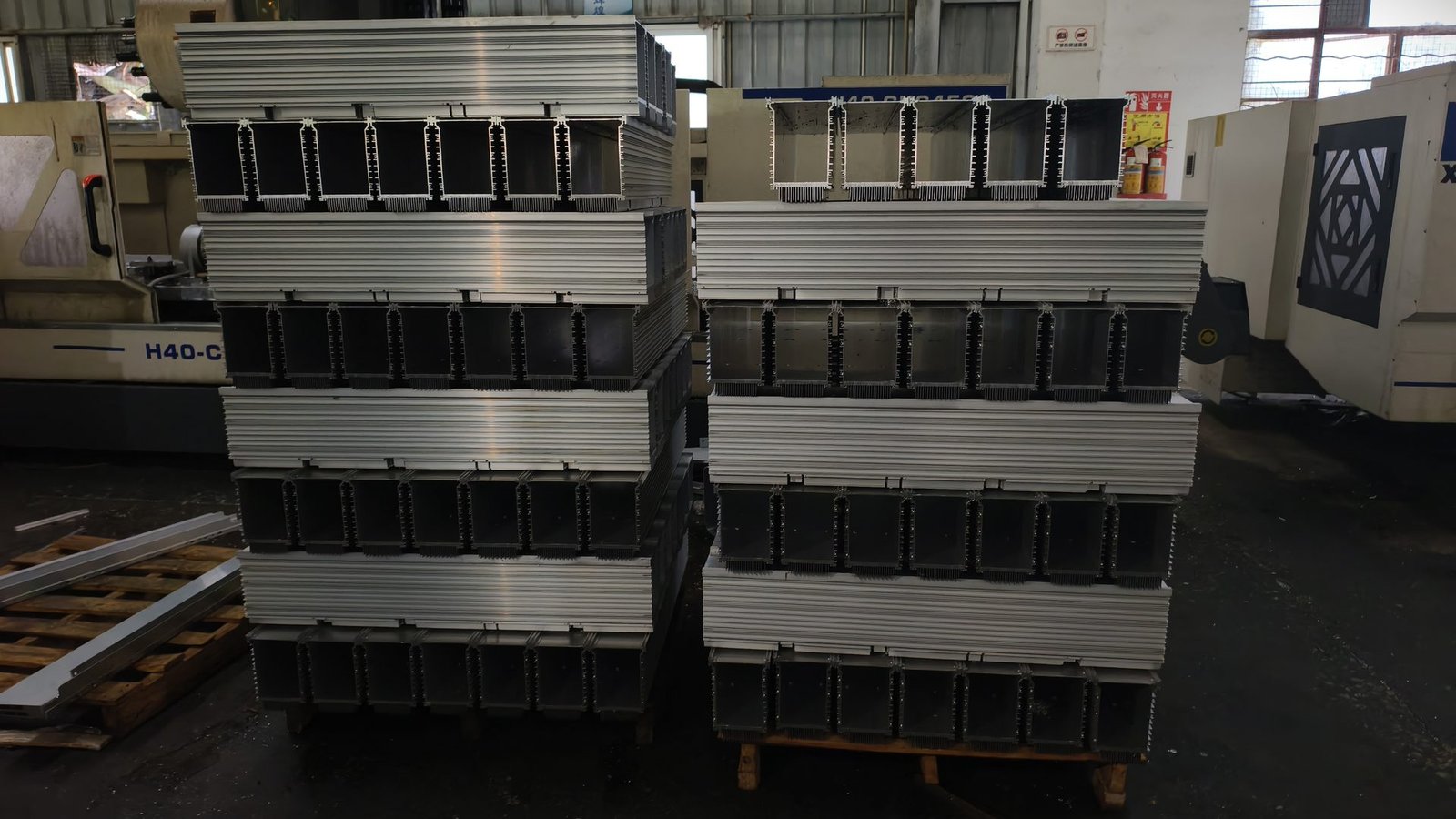
You cannot verify an aluminium window manufacturer from a website. You verify it from four things: what is made under one roof, what the test documentation is referenced to, how shop drawings are produced, and whether you can hold a sample that matches the specification. Everything else is a brochure. This is the checklist we expect a serious buyer to run on us.
Specifying this on a live project?
Ask on WhatsApp — +86 177 0868 3991The document trail
The same sequence every order runs, and the paper that comes with each step.
- 01Inquiry with sizes, glazing and destination port — acknowledged within 24 hours.
- 02Unit-by-unit quotation with lead time, payment schedule and port options.
- 03Shop drawings, hardware and glass schedules — free within 3 working days of approval.
- 04Production, then the pre-shipment inspection with the photo report as the balance baseline.
- 05Crating with a packing list per crate keyed to the drawing sheet, then the loading report per container.
- 06Shipping documents and the test reference for the configured models, issued with the order pack.
Start with what a brochure cannot answer
Most supplier pages answer the same three questions: how large the factory is, how many countries it ships to, and how many years it has traded. None of them say which part of the window is made in that factory, which part is bought in, and who signs the quality report. Those three answers decide whether the first container matches the sample.
What an aluminium window manufacturer should be able to answer
Put these questions in the first email. A supplier who works from a real production schedule will answer them with specifics; a trading office will answer them with adjectives.
- Which profiles are extruded in-house and which are bought in, and on which alloy.
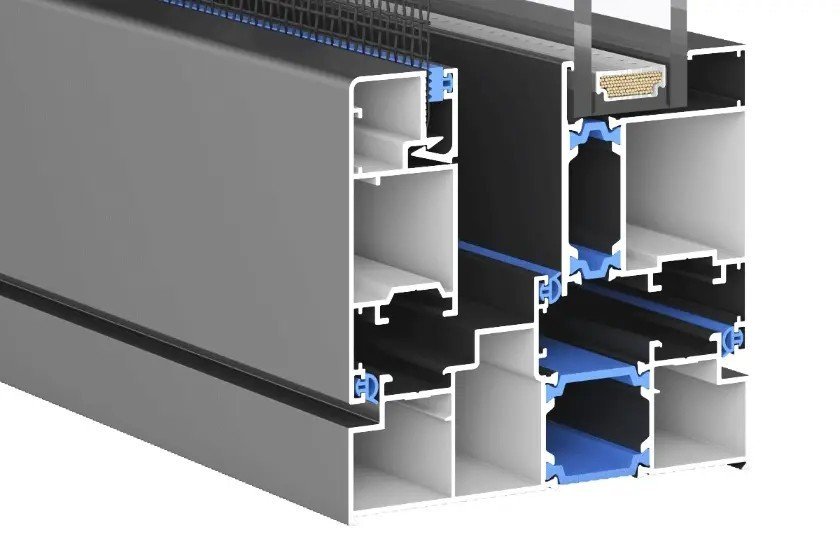
- Whether the thermal break is crimped or poured, and how the break is checked before assembly.
- Whether extrusion, thermal break, glazing, assembly and the final quality gate sit on the same site or are split across suppliers.
- What the pre-shipment inspection covers, who runs it, and what the photo report shows against the drawing sheet.
- How a unit is packed — the crate type, the corner protection, the desiccant — and what the loading report records.
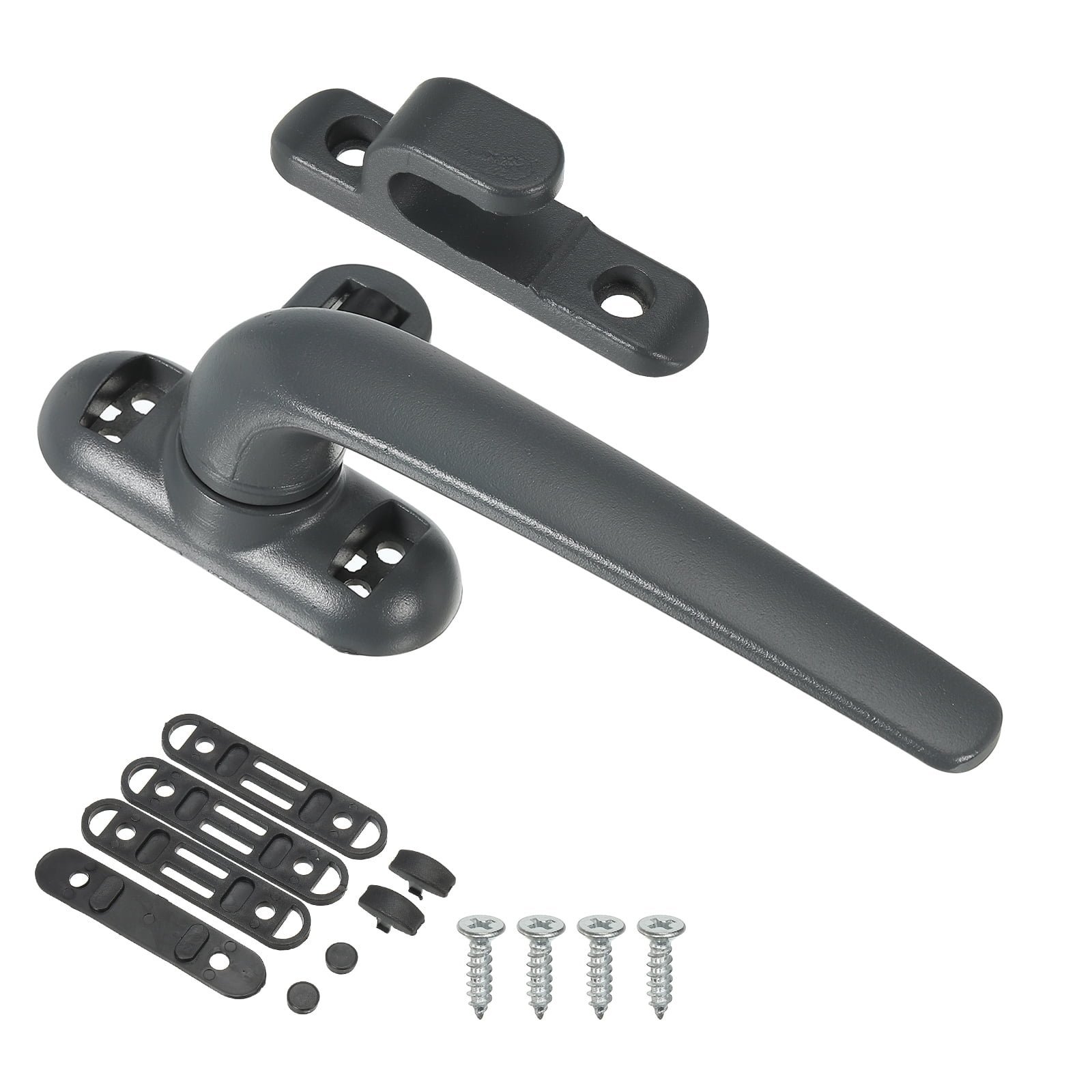
- Which hardware brands are used, and whether the lock set and the handle can be specified by the project.
- What happens when a unit arrives out of specification: who is the point of contact, and what the remedy is.
The documentation path, and what it does not say
Ask what the test documentation is referenced to. The answer should name the configured unit — the frame system, the glass make-up and the hardware that were tested together. A report for a different glass build does not cover the unit on your order, even when it comes from the same system.
The standards that appear on quotations in this trade are EN 14351-1 for the European route, AS 2047 for Australia, and ASTM E1996 with ASTM E330 for impact and pressure cycling on the US route. The useful question is not which mark a supplier claims to hold, but which standard the configured unit is tested to, and whether the report travels with the order.
Be careful with the word approved. In the US impact market a listing is issued to a configured product and a project, so the honest answer is a listing path per project rather than a standing approval on a catalogue page.
What to ask, and what a specific answer sounds like
| Question | A specific answer names | Where it shows up |
|---|---|---|
| Where is the profile extruded? | The lines and the alloy, on one site | Factory process and shop drawings |
| How is the thermal break made? | Crimped or poured, and the check step | Assembly process |
| What is the unit tested to? | The standard number and the configured unit | Test report referenced to the model |
| What does inspection cover? | A photo report keyed to the drawing sheet | Pre-shipment inspection report |
| How is the unit packed? | Crate type, corner protection, desiccant | Packing list per crate |
| Who signs the unit off? | A named contact on the order | Order pack |
| What are the terms? | Lead time from drawing approval; payment schedule | The quotation |
Ask for a sample you can hold, then a trial order
A finish sample is the cheapest verification available: physical chips of the standard finishes ship with a quotation at no charge, and the colour can be checked against the RAL reference before the order is placed. The next step is a single unit or a single wall. A trial order is not a wasted production slot — it tests the shop drawings, the packing and the delivery against a live site, which is exactly the part of the process a catalogue cannot show.
Commercial terms that belong on the table before the deposit
The commercial terms are part of the verification, not a separate conversation that happens after the price is agreed.
- Minimum order: on the villa and boutique side there is no square-metre minimum, and a single wall can be its own order. On multi-unit work the minimum scales with the range ordered, and it is quoted with the units rather than announced later.
- Lead time: stated from approved shop drawings, with assembly, glazing and quality control inside the quoted period rather than on top of it.
- Payment: the schedule and the instrument, named on the quotation rather than agreed at the order stage.
- Warranty: which element carries which period, and whether the glass manufacturer warranty passes through to the buyer.
- The Incoterm: who clears export, who clears import, and who pays the duty.
The red flags worth acting on
None of these are unusual in a first reply, but each one costs a container to discover later.
- A price per square metre with no glass build named. Glass is the largest variable, so a number without it cannot be compared to another number.
- A certification claim with no standard number and no configured unit behind it.
- No shop drawings before production. Drawings are the point at which dimensions, hardware and glass are agreed; a supplier who starts without them has agreed nothing in writing.
- No pre-shipment inspection report, or a report that does not reference the drawing sheet.
- A lead time quoted without a starting point. From order, from drawing approval and from deposit are three different dates.
A first inquiry that gets a usable answer
Send the opening schedule with dimensions, the glass specification per opening, the finish, the destination port, and any standard the project has to meet. That is the minimum for a firm unit-by-unit quotation rather than an indicative range.
The RFQ template on the downloads page is built around those fields, and the factory page sets out what happens at each stage once the inquiry lands.
Questions
Ask for the three things a brochure cannot supply: which profiles are extruded in-house, what the test report is referenced to, and how the pre-shipment inspection is documented. Then test the answers with a finish sample and a trial order.