
United States
Hurricane & impact
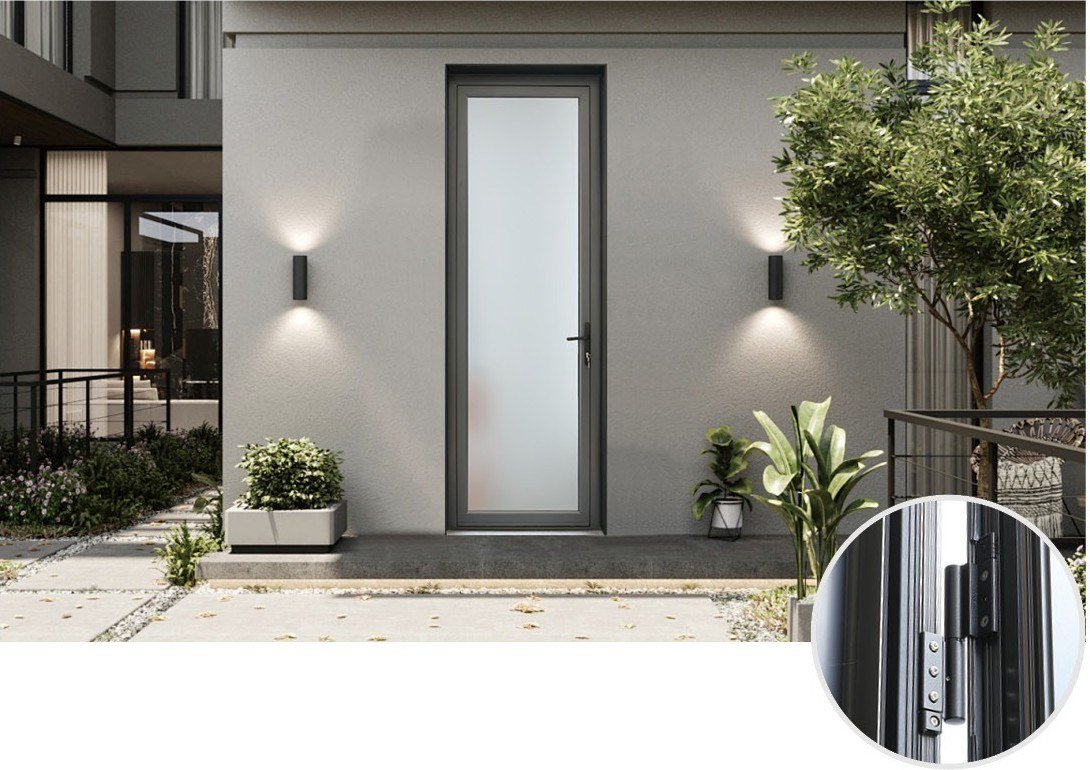
Impact-rated windows are tested to a missile, not to a brochure. The laminated core holds shattered glass in place under projectile and pressure load, and the multi-point frame keeps the sash compressed all round. We build the IR-80 range to Cat 3–5 wind zones per project, with the Miami-Dade NOA / FBC listing path coordinated through PGT or an equivalent body.
Large missile, Cat 3–5 per project test
Miami-Dade NOA / FBC via PGT or equivalent
Laminated IGU, 0.38 SGP interlayer
40–55 days
How it is built
Large-missile rating
Configured per project test — Cat 3 to Cat 5 zones, sized to the exposure of each elevation, not one blanket spec.
Laminated core
10–16 mm laminated IGU holds shattered glass in place; the same core doubles as the glass-break security layer.
Listing path included
Miami-Dade NOA / FBC coordination through PGT or equivalent is part of the quotation, not an afterthought.
Material & process
Profile & break
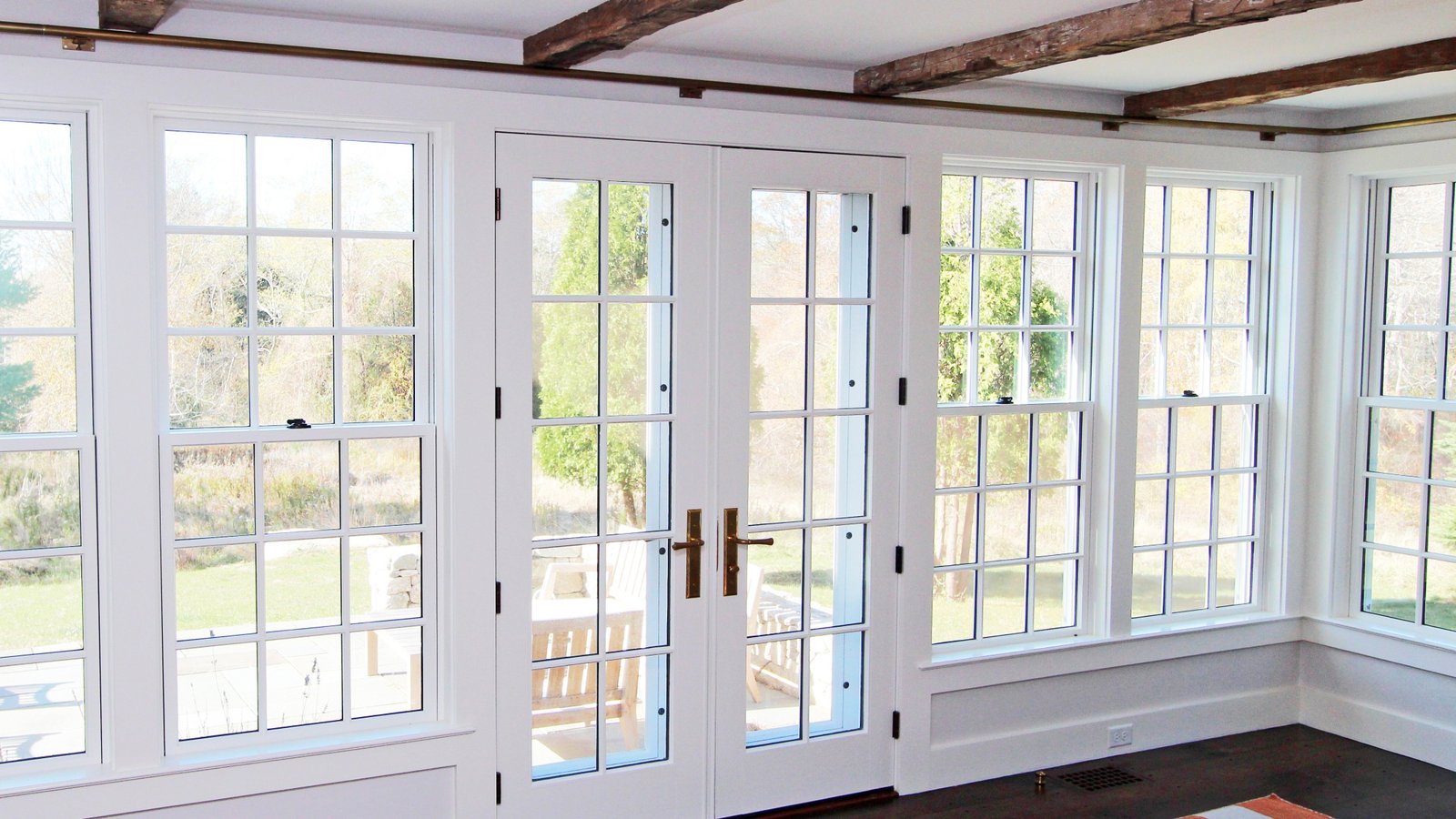
The IR-80 runs on the 75 mm thermal-break platform with the multi-point frame compressed all round — the sash is held on every side, not at one stile.
Glass
A 10–16 mm laminated IGU with a 0.38 SGP interlayer as standard; low-E and acoustic variants are configured on the same unit without changing the frame.
United States — Florida and the Gulf Coast, HVHZ 60–180. The Miami-Dade NOA / FBC listing path is coordinated through PGT or an equivalent body per project.
In the field
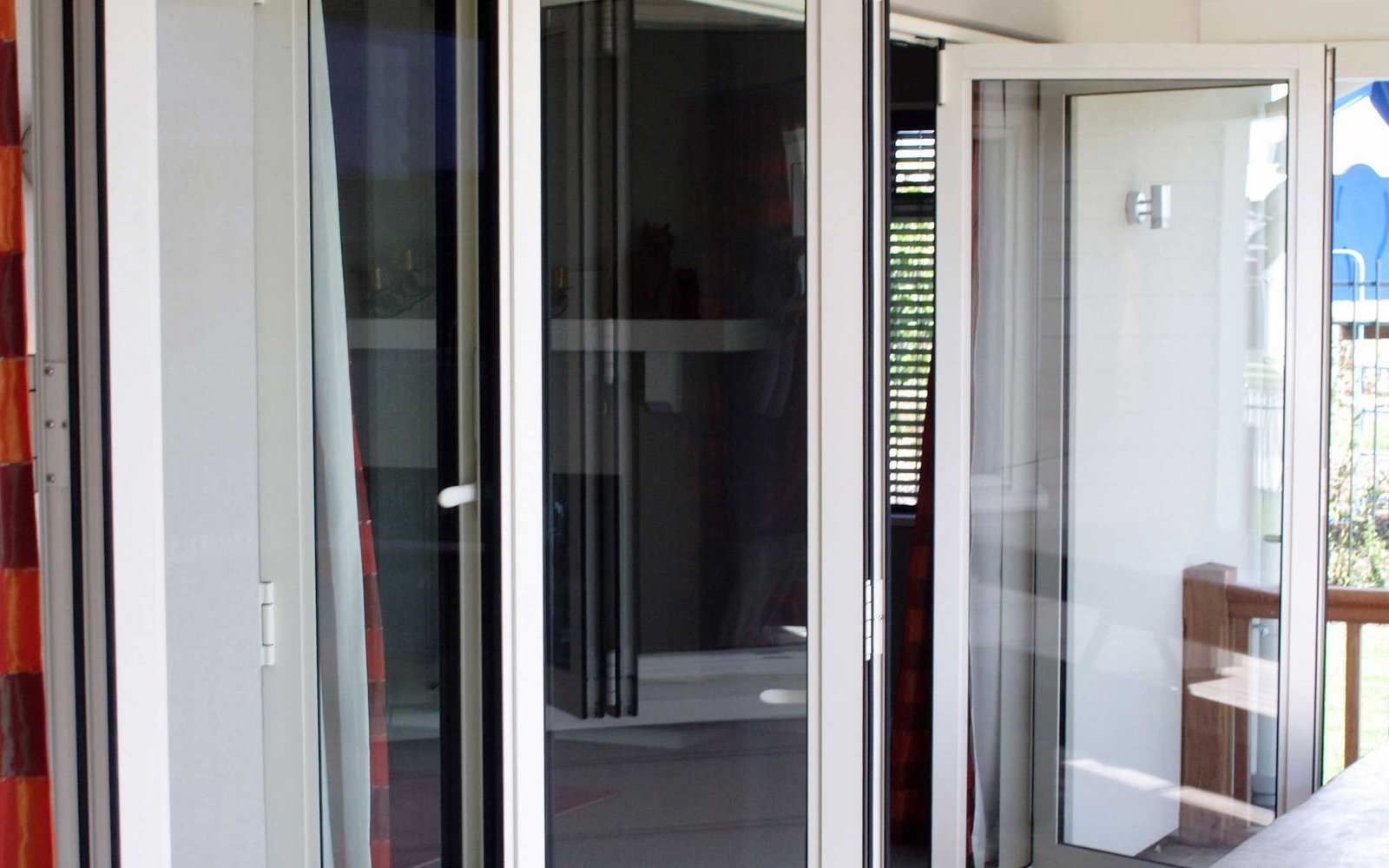
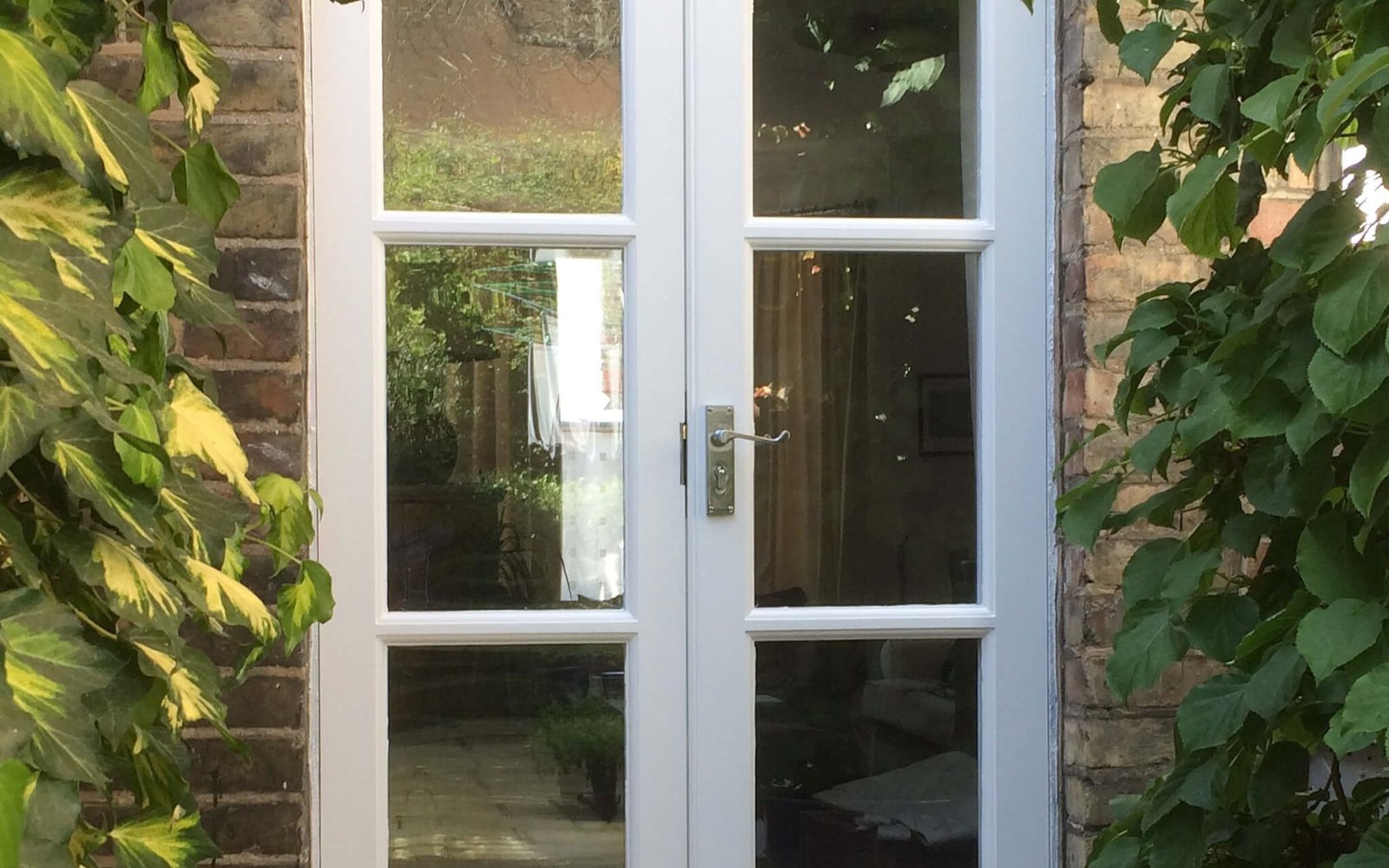
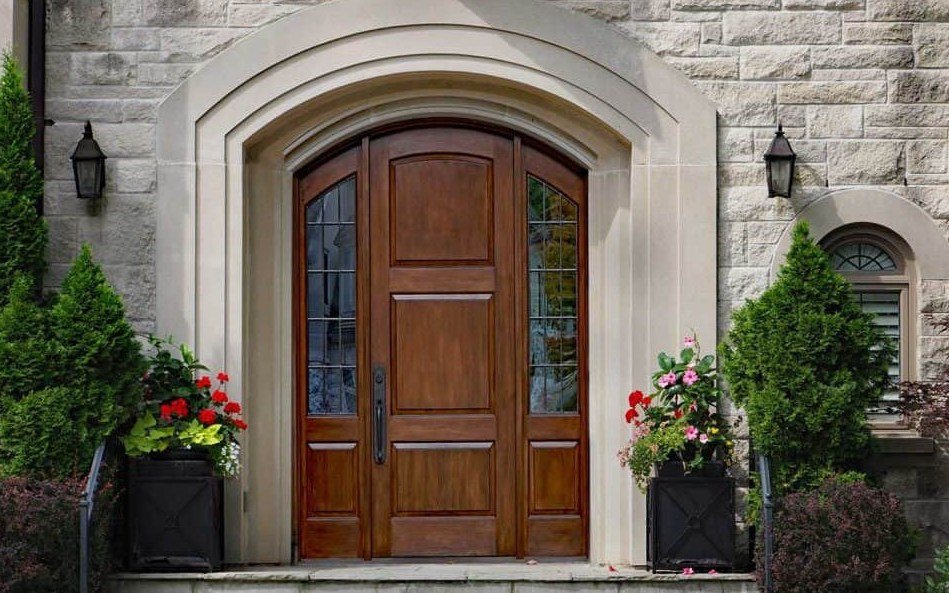
What it buys you
The rating is on our test report for your sizes, not on a marketing page — the document the insurer and the authority both read.
One supplier carries the frame, the glass and the hardware, so the warranty runs across the joint instead of stopping at it.
The marine coating schedule is specified on the same data sheet, so the unit that survived the missile also survives the salt.
Specified systems
All systemsImpact-Rated Windows
Impact-rated windows are tested glazing systems whose laminated core holds shattered glass in place under projectile and pressure loads. IR-80 is configured for large-missile rating in Cat 3–5 wind zones, with a Miami-Dade NOA / FBC listing path, and cyclone options for AS 1170.2 specifications in Australia and the Pacific.
French Doors
French doors are a pair of hinged, full-glass leaves opening to a terrace, garden or entry foyer. FD-60 cuts them in slim thermal-break aluminium — each leaf up to 1,000 × 2,400 mm on concealed hinges rated 120 kg — with a central 6-point lock, low-profile or flush threshold, and tempered or laminated glass per position.
Tilt & Turn Windows
A tilt & turn window is a single sash that both tilts inward at vent height for ventilation and turns fully for cleaning and access. TT-75 pairs that dual opening with 6–12 point multi-point locking, key-operated handle options and flush insect screens, making it the standard specification for European-style export projects.
Questions we get on this specification
Do you pre-certify every opening?
No — impact rating is verified per project configuration. We test the actual sizes and pressures of your schedule through PGT or an equivalent body and list the units under Miami-Dade NOA / FBC where required.
What glass do you use in the impact units?
A laminated core inside a 10–16 mm IGU, with a 0.38 SGP interlayer as standard on casement configurations. Low-E and acoustic variants are available on request.
Specifying hurricane & impact?
Send the drawings or a window schedule — the quotation returns within 24 hours, with the test documentation for this specification attached.