Markets
Hail-rated windows in Texas: what the class is
There is no North American standard that rates a window for hail. A hail-rated window is not a certified class — it is a glass and frame build-up that a project decides to specify because the address sits in hail country. What can be tested, and what a Texas address actually asks for, is impact performance under ASTM E1886 and ASTM E1996, plus the wind grade from AAMA/WDMA/CSA 101/I.S.2/A440. The laminated interlayer is what changes the outcome on a hail strike. Everything else on the schedule follows from those two facts.
Why there is no hail class for windows
A rating is a test result against a named standard. The North American impact tests — ASTM E1886 for the method and ASTM E1996 for the specification — were written around windborne debris: a piece of two-by-four or a roof tile at 50 feet per second, fired at a glazed opening during a hurricane. The projectile is wood or steel, not ice, and the standard is aimed at the wind event rather than the hail event.
The performance standard that rates the window itself — AAMA/WDMA/CSA 101/I.S.2/A440 — sets a Performance Grade for structural load, water and air. Hail is not one of its rated properties. So a window can carry a high PG and still have never been struck by an ice ball. That is the gap the phrase hail-rated sits in.
What is actually tested
- ASTM E1886 — the test method: a missile of stated size and speed fired at the specimen from a set distance.
- ASTM E1996 — the specification: the pass criteria the specimen has to meet after the impact.
- The missile level is stated as large or small, with the size and speed written into the report.
- AAMA/WDMA/CSA 101/I.S.2/A440 — the Performance Grade for wind, water and air, rated as a unit.
- In Texas the TAS protocols apply on the coastal side, the same 201, 202 and 203 route Florida uses.
- None of these is a hail test. All of them are impact tests, and impact is the property that matters on a hail strike.

The glass is the whole answer
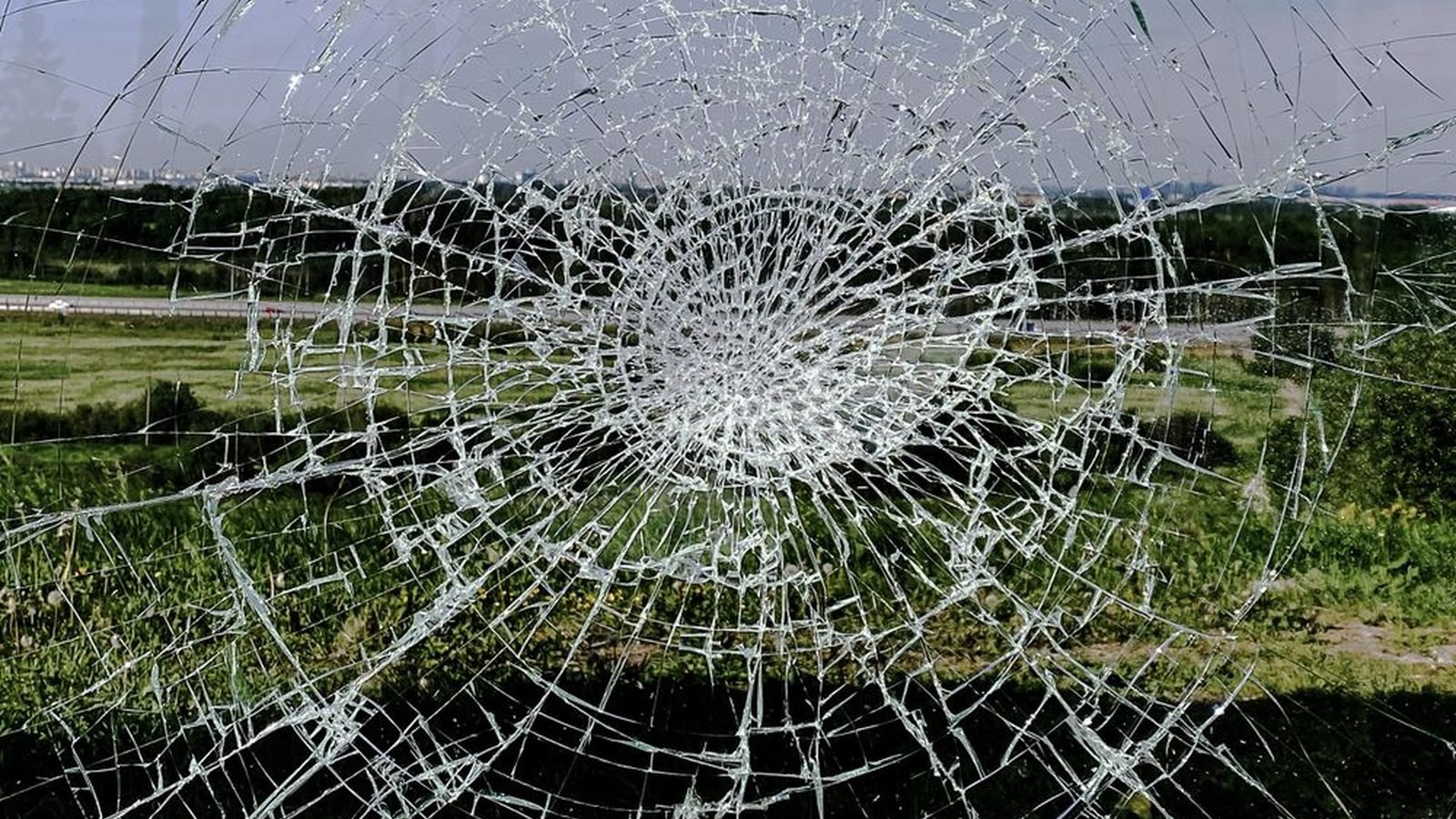
Hail does its damage through the glass, and the glass build-up decides what happens after the strike. Annealed glass breaks into shards and leaves the opening empty. Tempered glass is four times stronger in bending, and it breaks into pebbles — which is a safety property, not a hail property, and a tempered pane that fails is gone. Laminated glass is two panes with an interlayer between them, and the interlayer holds the broken pane in place.
A laminated pane struck by hail can crack and still stay in the frame, and the opening still keeps the weather out. That is the property a Texas schedule is actually buying, and it is why the impact range — not the tempered range — is the line that answers hail. The interlayer is the part that earns the specification.
The Texas hail schedule
| Item | Stated on the schedule as | Where it is verified |
|---|---|---|
| Glass build-up | Laminated make-up with the interlayer type named | Test report for the configuration |
| Impact test | ASTM E1886 and ASTM E1996, with the missile level | Report issued per project and per model |
| Coastal protocol | TAS 201, TAS 202 and TAS 203 where the address is TDI | Report plus the WPI-8 where it applies |
| Performance grade | The AAMA/WDMA/CSA 101/I.S.2/A440 grade for wind, water and air | NFRC label and the project report |
| Frame reinforcement | The impact range, not the standard range | System specification, drawing office |
| Documentation | The report references the exact configuration ordered | Quotation, before the frame is made |
Two Texases, and they are not the same market
The inland belt — San Antonio, Austin, the DFW corridor — is hail country and is not inside the Texas Department of Insurance windstorm-designated counties. There is no code-driven impact requirement there. Hail-resistant glazing is an insurance and cost decision, and the schedule is written because the address gets hit.
The coastal tier is the opposite problem. Fourteen counties sit inside the TDI windstorm programme, where a WPI-8 certificate of compliance decides whether the work counts, and the requirement is windborne-debris impact under the same ASTM and TAS protocols. On the coast the impact glazing is compulsory and the hail question is secondary; inland the hail question is primary and the impact glazing is optional.
A project that spans both — a coastal development with an inland supply schedule — ends up specifying the impact range throughout, because the documentation set is identical and the alternative is two windows to inspect on site.
What the schedule has to name
- The glass build-up, with the interlayer named.
- The impact test path, ASTM E1886 and E1996 or the TAS series on the coast.
- The missile level the report was written against.
- The frame range, because the impact range is a different extrusion.
- The documentation set, issued per project and per model.
What to put in the enquiry
- The address, because the coastal and inland answers differ.
- Whether the project sits inside a TDI windstorm-designated county.
- The glass build-up wanted: laminated, with the interlayer named.
- The impact test path — ASTM E1886 and E1996, or the TAS series on the coast.
- The frame range, because the impact range is a different extrusion to the standard range.
- The documentation set required, per project and per model.
What the label does not tell you
- That the window resists hail, unless a hail test is named. It will not be, because the standard does not exist.
- That the glass will not break. Laminated means it holds after breaking, which is the different claim.
- That a tempered pane is hail-resistant. It is a safety glass, and it fails into pebbles.
- That the impact rating transfers to a different size. The tested rating covers units at or below the tested size.
- That the frame is the same extrusion as the standard range. It is not, and the schedule names the range for that reason.
Frequently Asked Questions
Is there such a thing as a hail-rated window?
Not as a certified class. No North American standard rates windows for hail. What exists is impact testing under ASTM E1886 and ASTM E1996, plus the wind, water and air grade from AAMA/WDMA/CSA 101/I.S.2/A440 — and those are the numbers a schedule names.
What glass actually resists hail?
Laminated glass, because the interlayer holds the pane after it breaks. Annealed breaks into shards and leaves the opening empty. Tempered is a safety glass that breaks into pebbles, which is a different property.
Is hail-resistant glazing required in Texas?
Not inland. The hail belt is outside the Texas Department of Insurance windstorm-designated counties, so the specification is an insurance and cost decision. On the fourteen coastal counties inside the TDI programme, windborne-debris impact glazing is compulsory.
What is the difference between the TAS protocols and the ASTM tests?
The same job with different paperwork. TAS 201, 202 and 203 is the coastal Texas and Florida route; ASTM E1886 and E1996 is the general North American one. Both are impact tests against a missile of stated size and speed.
Does a Performance Grade cover hail?
No. The grade in AAMA/WDMA/CSA 101/I.S.2/A440 rates structural load, water penetration and air leakage. Hail is not one of its rated properties, which is why the impact test is specified separately.
How do I check a hail claim?
Ask which test was run, what the projectile was, its size and speed, and what the pass criteria were. A claim that names no test is a slogan. The Texas Department of Insurance Product Evaluation Index is the place to check the coastal claims.
Can an impact-rated window be sized larger than the tested unit?
No. The tested rating covers units of identical construction at or below the tested size. A larger opening needs its own test, and the schedule states the size it was rated at.