
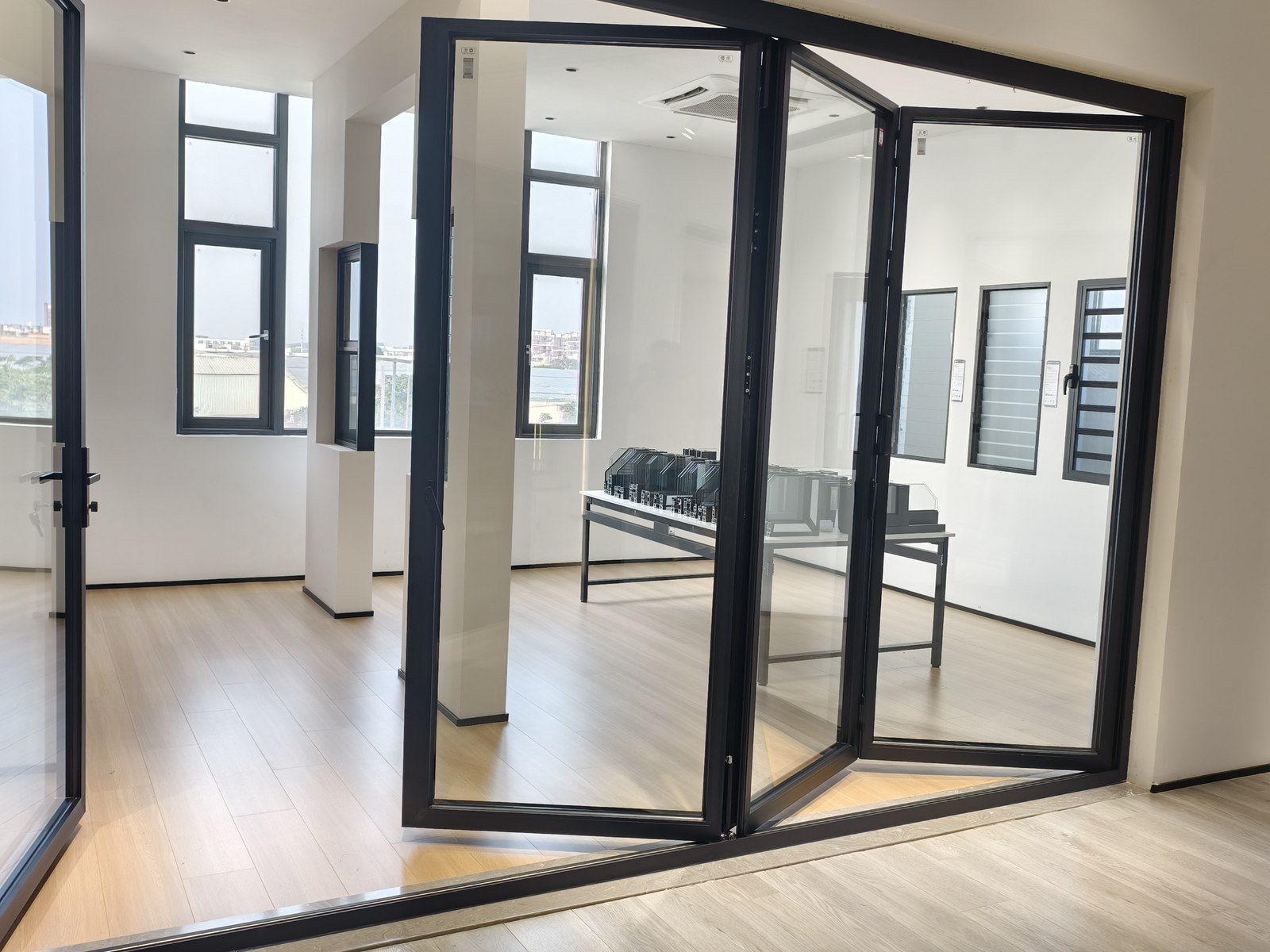
Windows and doors for Africa
Large-format fixed and folding glazing for bright, hot climates: solar-control glass schedules on the west elevations, post-free railings where the view is the product, and crating built for long hauls.
- SANS 10400-N glazing NBR in South Africa — with the Part XA energy line, the 1263-1 / 1263-2 safety lines, the 613 assembly line, 10137 installation and 10160-2 balustrade loads — and the local regulation of record elsewhere
- No national fenestration performance code — the document pack is the spec: per-order spec sheet, per-model test report, glass to the local product standard
- Residential developments, hotels, safari lodges
- Cape Town, Durban, Mombasa, Dar es Salaam
- 35–50 days on solar-control schedules
Systems for this market
All 22 systems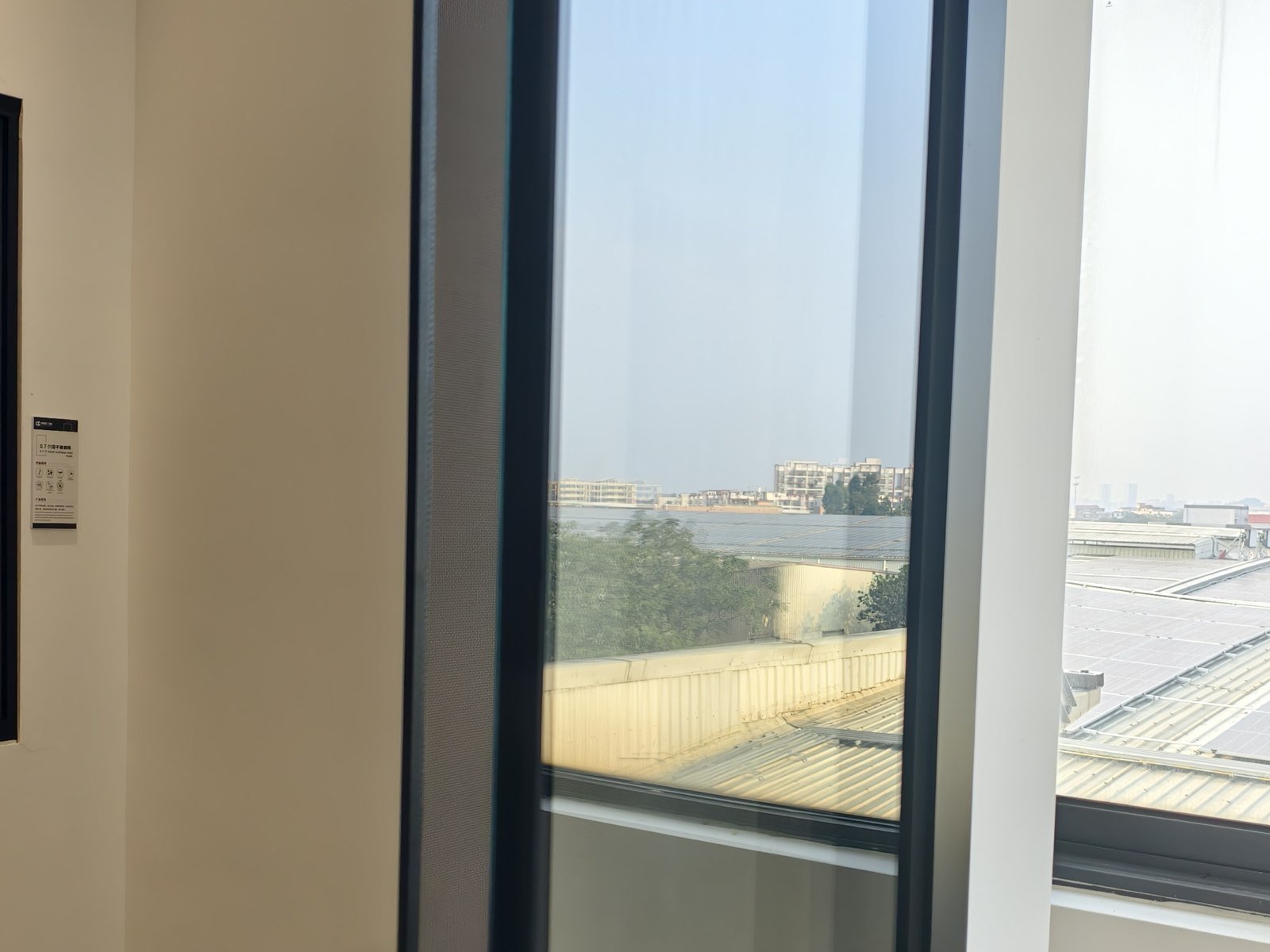
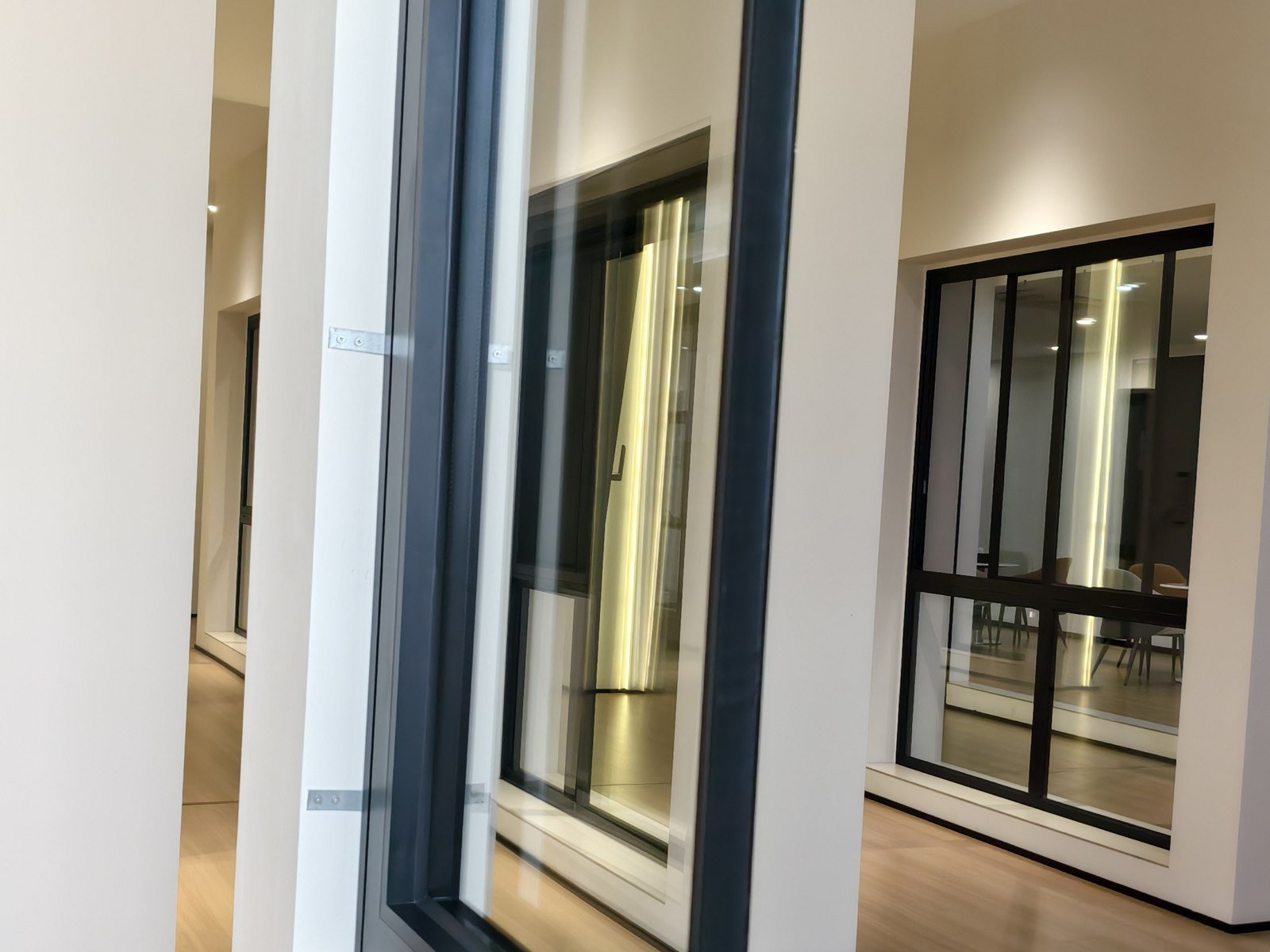
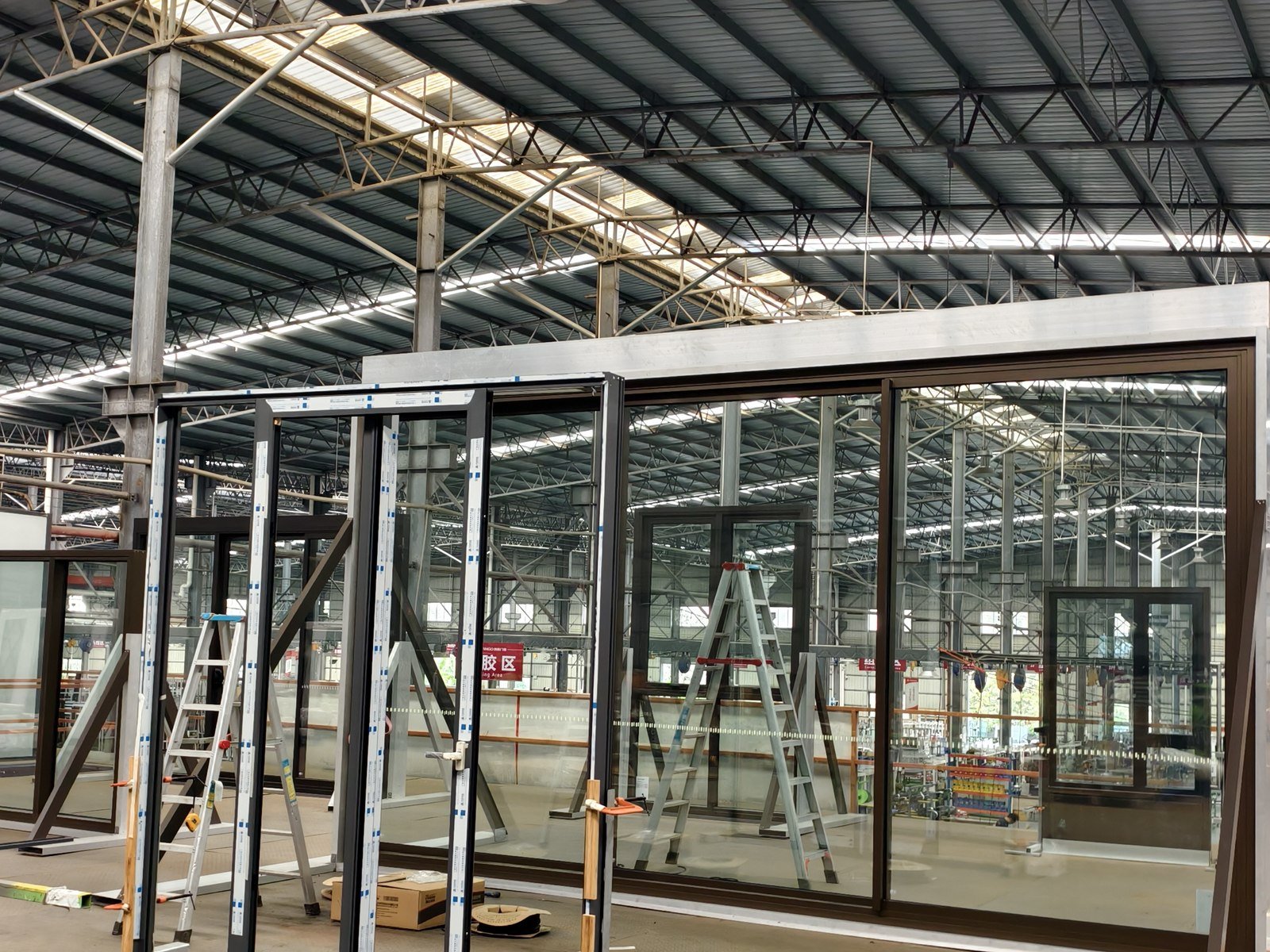
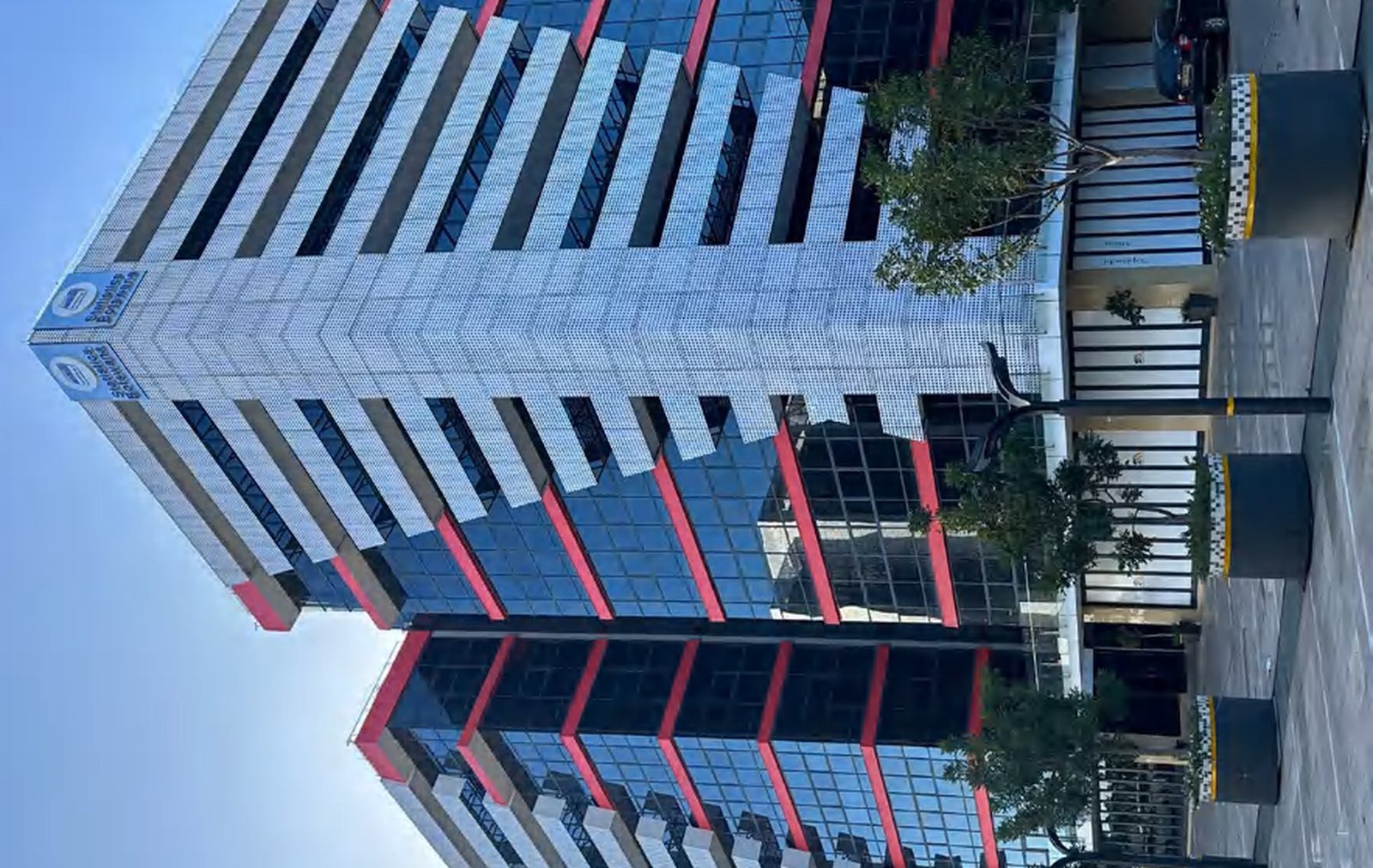
Reference projects
All projects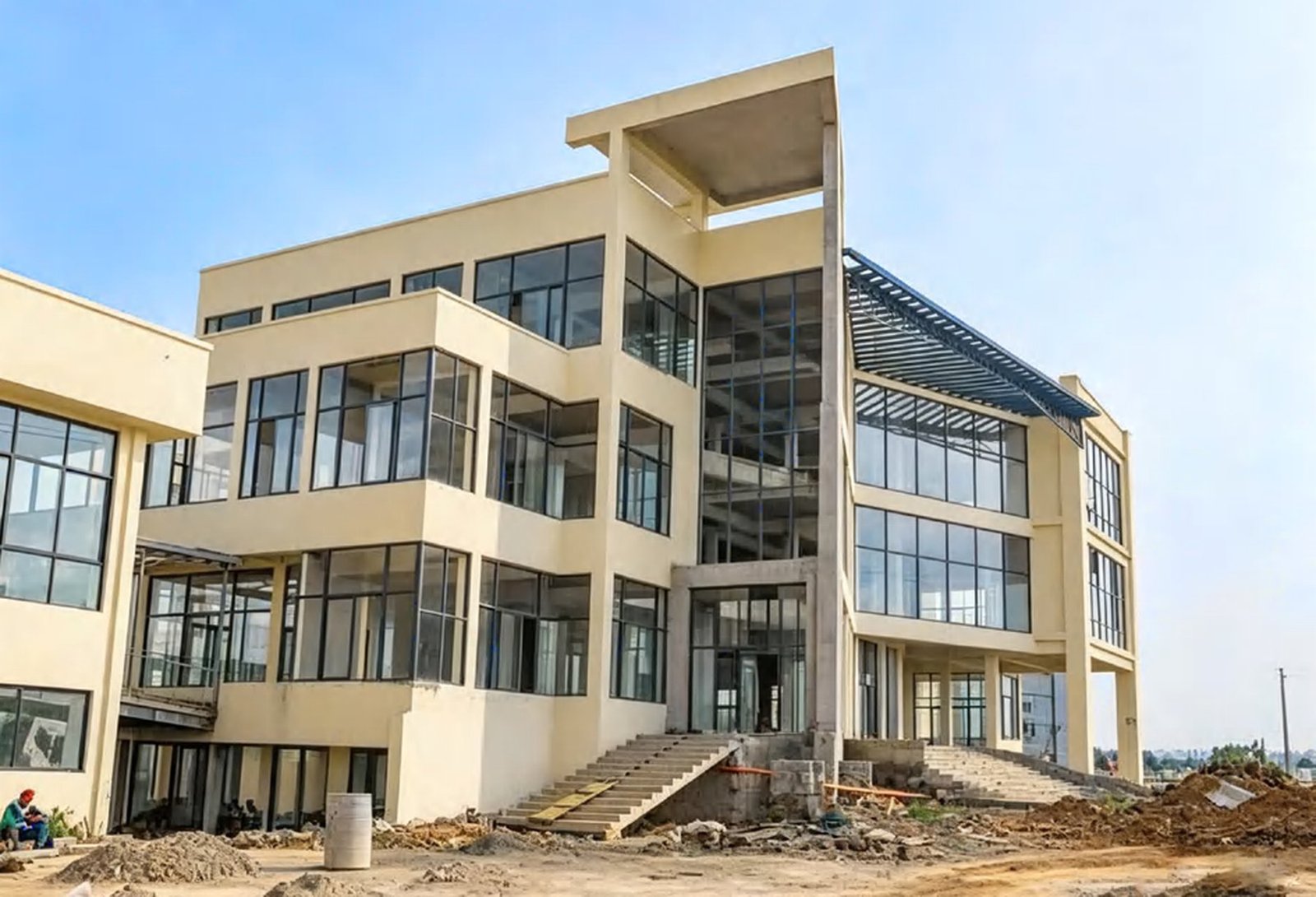
Explore by state / region
3 regional specifications for Africa — each with the local standards, ports and lead times.
Certification path
Configured SA projects are tested to SANS 10400-N, with the safety, energy, assembly, installation and balustrade-load lines named on the same schedule and the report issued per order and per model; other markets follow the local regulation of record. Solar-control and laminated low-E glass are standard on the west-elevation schedule.
SANS 10400-N
Glazing NBR — safety cases, occupancy classes, installer mark
SANS 10400-XA
Energy usage in buildings — fenestration thermal line
SANS 1263-1
Safety glass — human impact test
SANS 1263-2
Safety glass — burglar resistance
SANS 613
Glazing assembly — wind, water and air performance
SANS 10137
Installation of glazing — glass set into frames
SANS 10160-2
Balustrade glazing — impact and line loads
Shipping & ports for Africa
The standard trade routes we consolidate to for this market. Transit is the ocean leg only — the door-to-door lead time is the figure in the facts table above.
Cape Town
Durban
Dar es Salaam
Lagos
Mombasa
Accra
Africa questions
Which standard applies in South Africa?
SANS 10400-N for the glazing — the safety cases, the occupancy classes and the installer mark to SANS 1263-1 — with the report issued per order and per model; elsewhere on the continent the local regulation of record applies, and the document pack names it.
How is solar gain handled?
Solar-control and laminated low-E glass schedules on the west elevations, quoted with the window schedule rather than added as an afterthought.
What are the African shipping routes?
The consolidated routes are Cape Town, Durban and Dar es Salaam — typically 25–33 days at sea — with Lagos, Mombasa and Accra on the same line, the transit to be confirmed per sailing. The crating is specified for the longer road legs beyond the port.
What does the document pack carry for customs clearance?
The per-order spec sheet against the regulation of record, the test report issued per model for the configured unit, the glass schedule to the local product standard, and the loading report on every shipment. The declared material, the country of origin and the standards the schedule references are the lines the clearing agent asks for, and whether a configured unit sits inside a duty definition is a classification question for the broker, settled before the order rather than at the port.
How is the security grade chosen for a frontage?
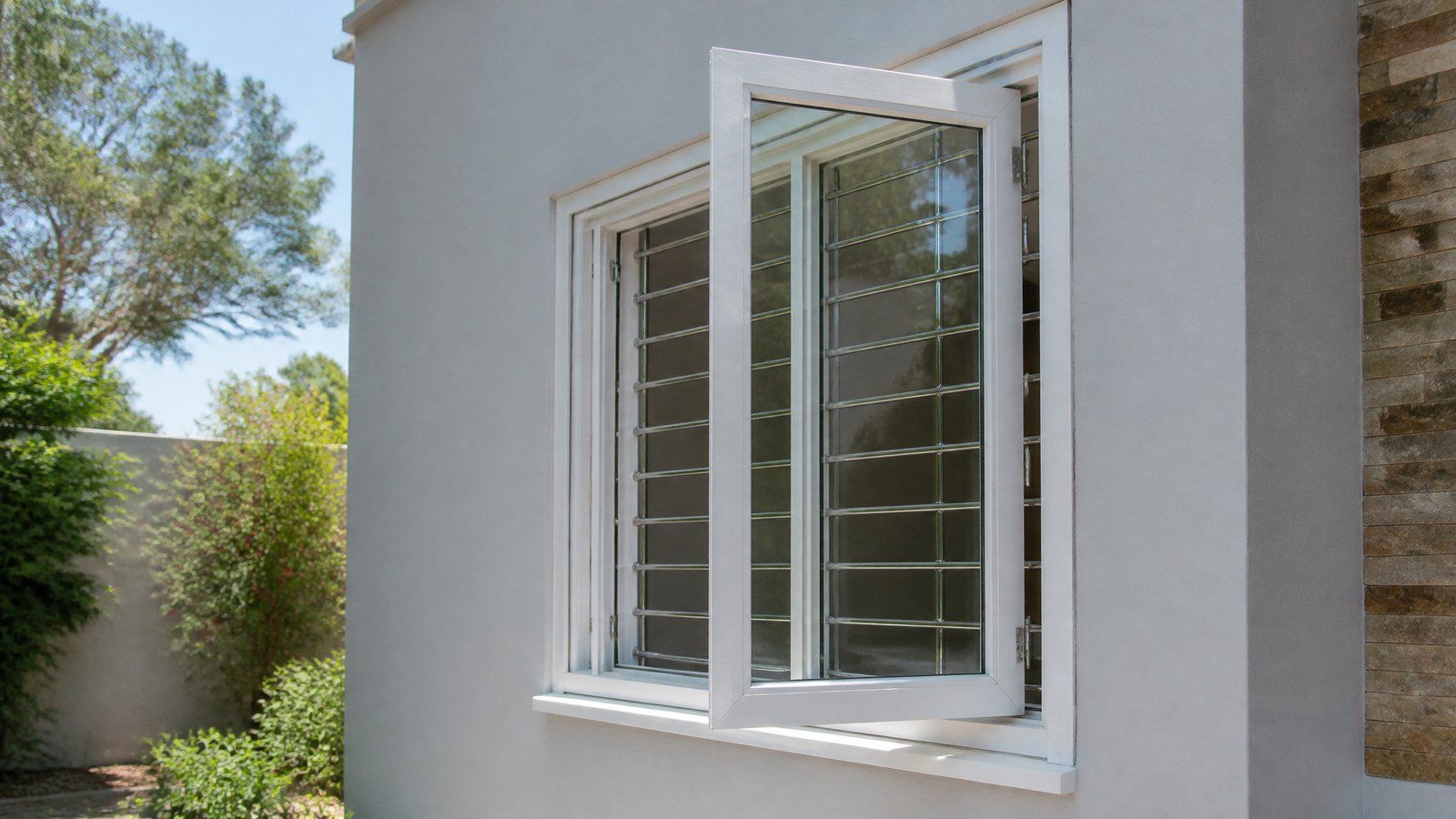
The grade follows the frontage, not the frame: ground-floor openings, accessible ground floors and street-facing elevations move the glazing to the laminated build and the frame to the burglar-proof line, with the grille integrated before the test so the unit that ships is the unit that is tested. The burglar-proof product page carries the full line, including the split case where the local trade fits the bar after installation.
How does an apartment or hotel project schedule the windows?
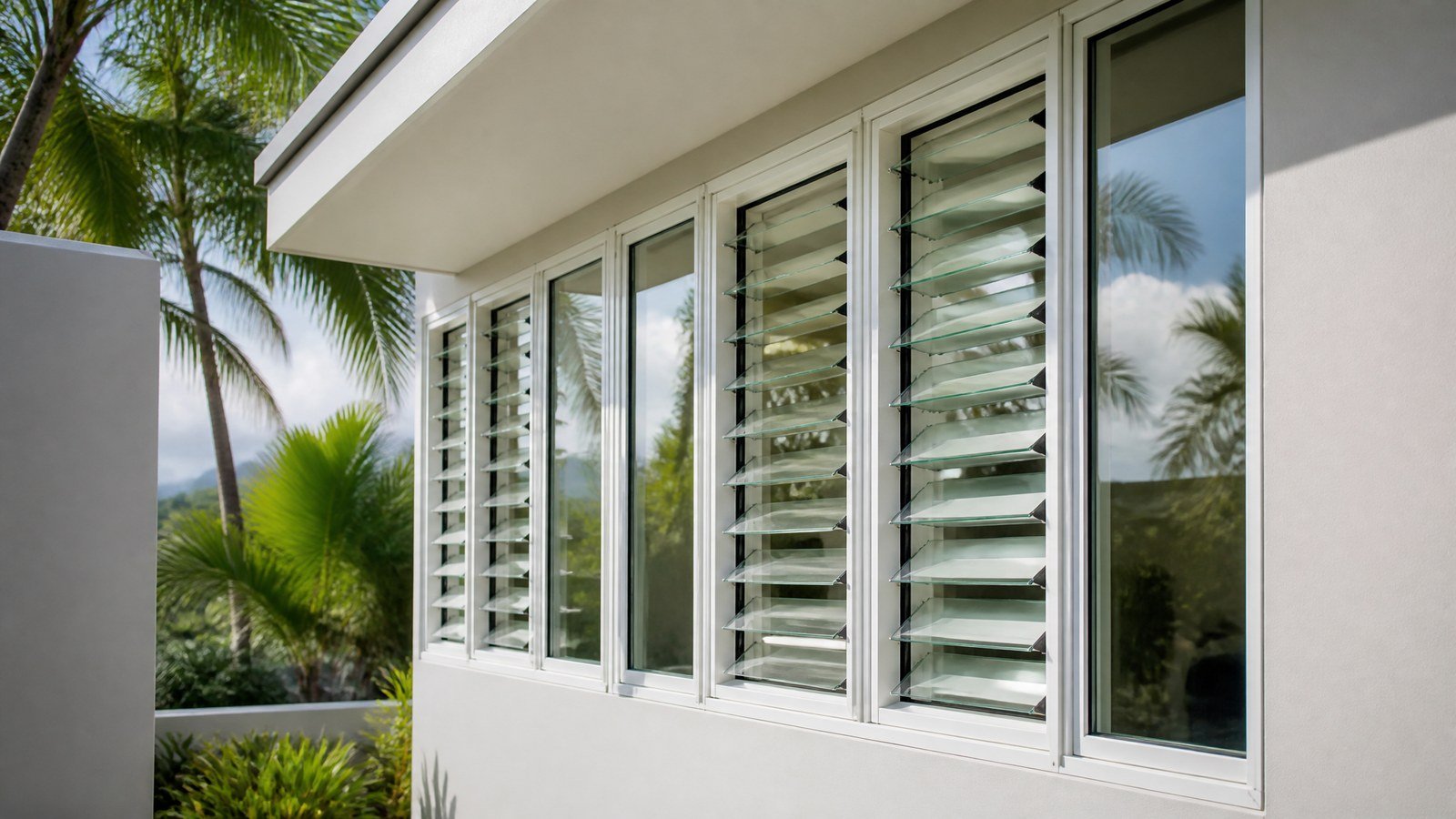
One document pack per opening class: the frame platform, the glazing build and the finishing line stated per class, with the report issued per model across the schedule. The container count and the crating work from the square metres of opening, and the hotel line runs the same systems — sliding, panoramic fixed, casement and louvre — on one platform for the whole development.
- How to choose an aluminium window manufacturer in China
- Aluminium Windows South Africa: the spec that passes
- uPVC Windows vs Aluminium Windows: the South Africa call
- Burglar Bars for Aluminium Windows: the Africa call
- SANS 10400-N in South Africa: the glazing rulebook
- Windows for Africa: UV, dust and the long haul
What this market requires before the goods can be landed: the standards that govern the unit, the certificate the port checks, and the documents that have to exist before the crate is closed.
The Africa line card
Get the line card
Systems, standards, ports and lead times for this market — plus a contact who has shipped to it before.