Markets
Singapore and SGCC: the South-East Asia compliance line
SGCC is the test route the Singapore schedule is built on: the configured window or door is tested to the line the developer states — wind load, water tightness, air permeability and the thermal case — and the report is issued per order and per model, not as a standing certificate. It rides the same EN 14351-1 performance framework the other export routes use, with the tropical ventilation combination carrying the schedule across the region. On the current lines the production clock runs 30–45 days, and the sea leg to Singapore is the shortest of any market line.
The Singapore brief: climate first
Singapore sits on the equator, and the brief is the three forces that run at once: the humidity that holds all year, the sustained rain of the wet season, and the sun that keeps the UV line high. The window is the envelope that has to hold all three — the gasket against the humidity cycle, the drainage against the rain, the glass and the frame against the heat and the UV. That is what the schedule is designed for before the compliance line is added on top, and it is why the ventilation details lead the regional specification. The wet and dry seasons swing the gasket line through repeated expansion and compression, so the drainage channel and the gasket compression are specified to that cycle rather than to a single design day.
The development context is what adds the paperwork. The green-building regime the developer runs means the envelope is tested, and the report travels with the order. SGCC is the name the drawing office uses for that Singapore test route: the configured unit, tested to the line the project states, with the report issued per order and per model rather than claimed as a standing certificate. The same unit that the schedule prices is the unit the receiver checks against the report at the yard.
The tropical ventilation route it rides
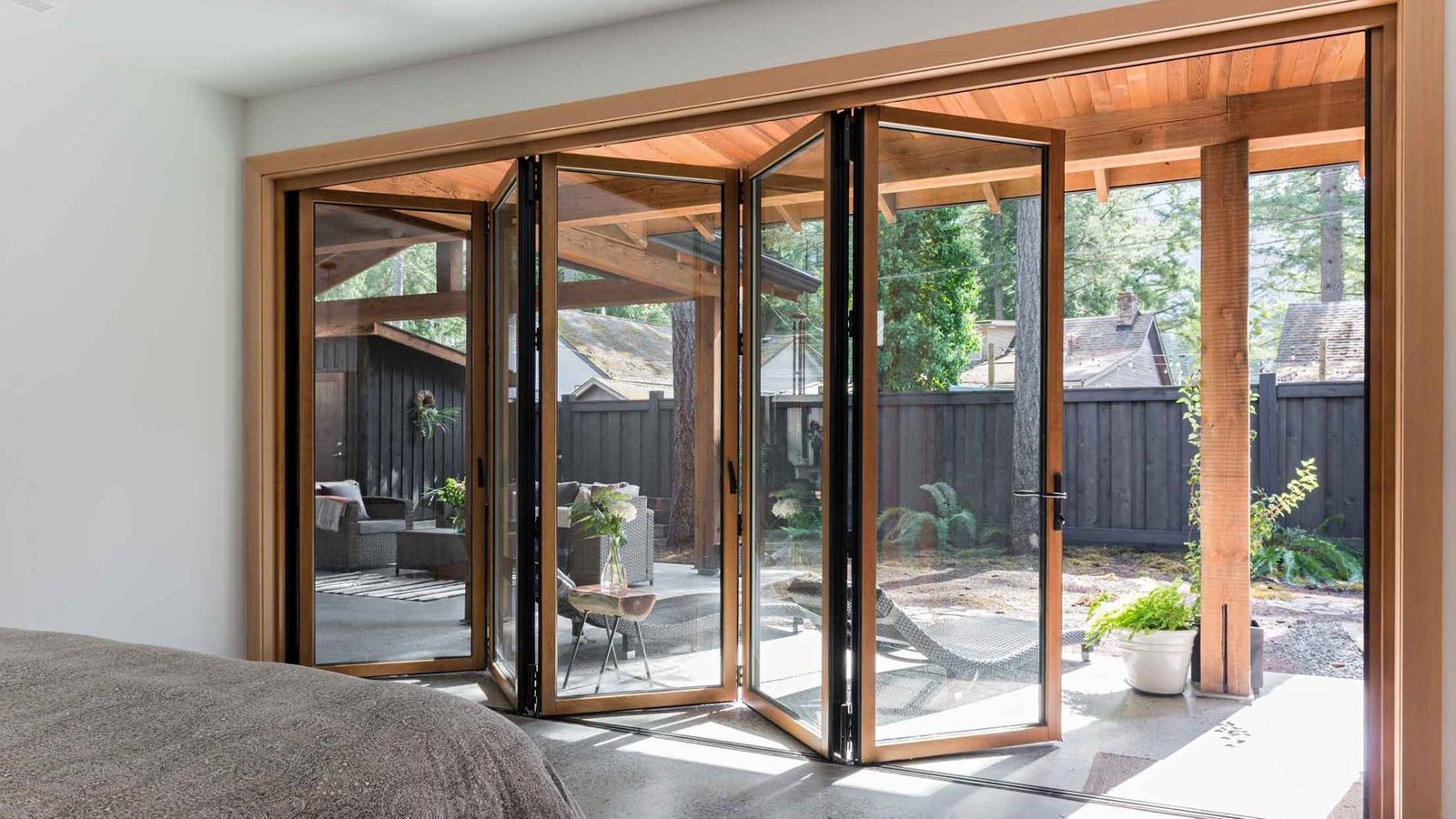
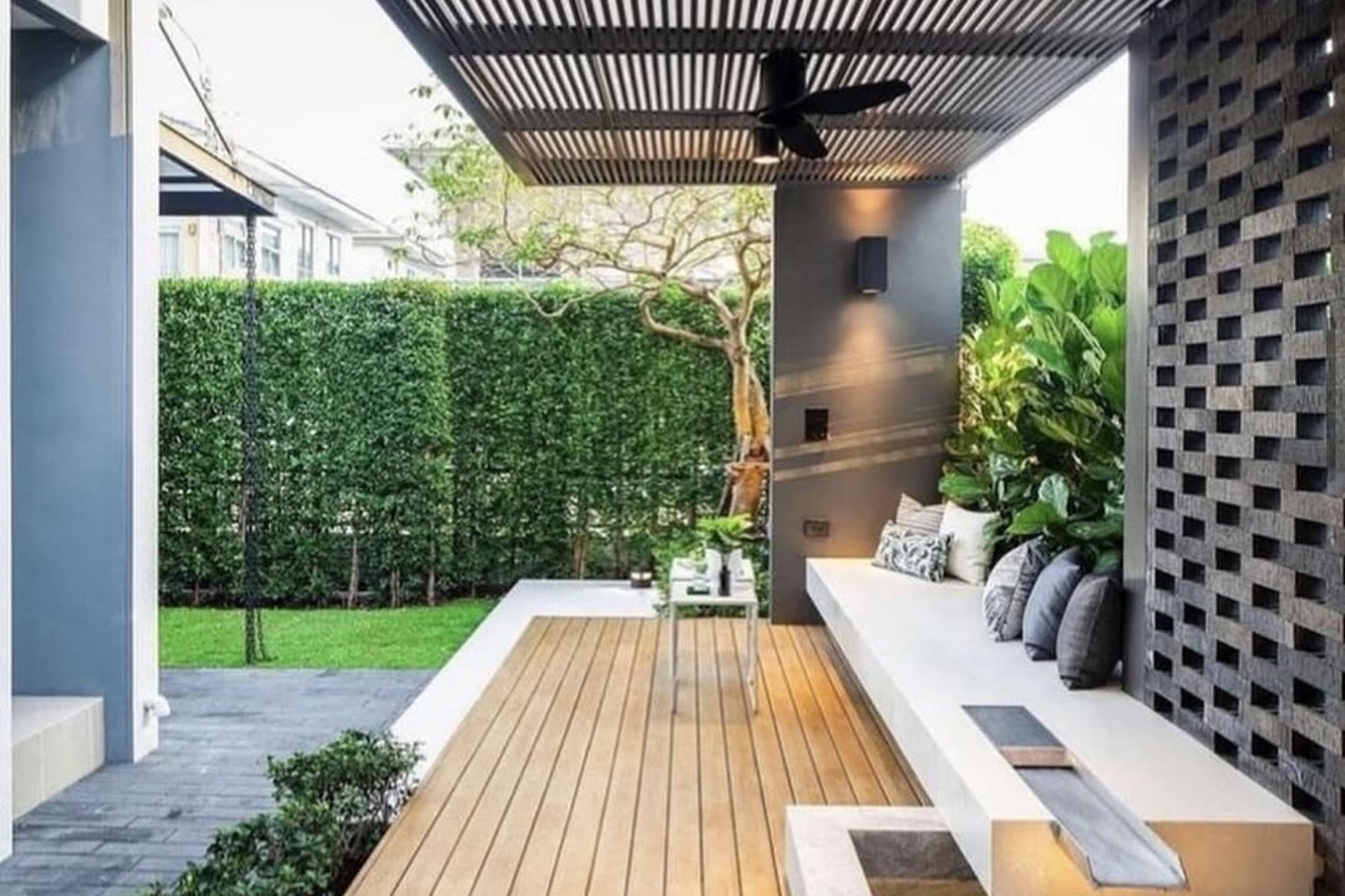
The compliance line is carried on the tropical combination, because the Singapore schedule specifies the ventilation lines first. SC-40 is the screen family on the salt-fog 316 hardware; the SD-50 slider follows the same track logic with the integrated screen; the LP-120 louvered pergola closes on its own under the rain and wind sensor. These lines keep the outdoor room usable through the wet season, and they are the lines the test route is built on — the ventilation performance is the first thing the configured unit has to prove.
- The screen: the mesh aperture stated per opening, the spline channel out for re-meshing, the service kit packed in the crate.
- The slider: the integrated screen track and the continuous gasket that seals the open position through the monsoon.
- The louvered line: the LP-120 that closes on the sensor and keeps the terrace working in the wet season.
What SGCC actually tests
SGCC is not a single certificate; it is the test set the configured window or door runs against when Singapore is the market of record. The route follows the EN 14351-1 performance framework: wind-load resistance, water tightness under the driving-rain case, air permeability, and the thermal and acoustic lines the project adds. The unit that is tested is the unit on the schedule — the frame system, the glass build and the hardware tested together, not a reference model off the catalogue.
The reading for the buyer is the report reference, not a mark on a page. A test run on a different glass build does not cover the unit on the order, which is why the report is issued per order and per model. Where the developer does not require it, the standard route applies and SGCC is not claimed — the honest answer is a test reference per project, not a standing certification on a catalogue page, and the document pack says so plainly. The buyer can check this against the quotation: the configured unit the report references should match the unit priced line by line, and any mismatch is the point to raise before the deposit.
The Singapore line, element by element
| Line | What it carries | Where it shows |
|---|---|---|
| The climate | The humidity cycle, the rain, the UV line | The gasket, the drainage, the glass |
| The test route | The configured unit, per the EN 14351-1 framework | The report, per order and per model |
| The screen | The mesh aperture, the salt-fog 316 hardware | The open position, through the monsoon |
| The louvered line | The LP-120 on the rain and wind sensor | The terrace, through the wet season |
| The schedule | 30–45 days production, 7–10 days sea leg | The consolidation hub, the regional run |
The document pack, per order and per model
The Singapore document pack runs the same discipline as the other routes, with the SGCC line added where the project states it. The shop drawing names the configured unit per opening; the test report references that configured unit; the crating list runs per crate; and the report travels with the first container. The green-building context is why the envelope report is requested — the tested unit is the unit the schedule prices, and the reference is what the receiver checks at the yard before the balance is called. The packing list runs per crate with the corner protection and the desiccant named, so the physical evidence at the yard maps back to the drawing sheet and the test report without a translation step.
For the rest of the region the local standard of record applies. Malaysia, Vietnam and the wider South-East Asia line each run their own standard, and the drawing office carries both columns on one schedule so a single order can ship to two markets without splitting the document pack. The one package, the two columns, and the report that references the configured unit is what keeps the region line workable at development scale.
The schedule: production and the sea leg
On the current lines the production clock runs 30–45 days on the standard schedule, and the screen, the sunroom and the louvered packages are factory-assembled to the same quality gate as the window line. The sea leg to Singapore is the shortest of any market line — roughly a week to ten days from the Foshan yard — which is why the region consolidates there before the regional run to the surrounding markets. The drawing phase sits in front of that clock: the quotation, the shop drawings and the approval of both, which is the one phase the buyer fully controls and the one that shortens the total.
- Production: 30–45 days on the standard lines, factory-assembled to the quality gate.
- The sea leg: roughly 7–10 days to Singapore, the shortest of the four market lines.
- Consolidation: Singapore as the primary South-East Asia hub, with Port Klang and Ho Chi Minh City on the regional run.
How to write it on the schedule
- Name the configured unit per opening — the frame system, the glass build and the hardware the test runs on.
- State the SGCC line where the developer requires it; the local standard where it does not.
- Reference the report to the configured unit, issued per order and per model.
- Carry the screen, the slider and the louvered line as first-class items on the tropical schedule.
- Hold the 316 hardware and the powder-coat schedule on every exposed elevation.
Frequently Asked Questions
Is SGCC a certificate the factory holds?
No — SGCC is the test route the configured unit is tested to where the developer requires it, and the report is issued per order and per model. The site does not claim a standing certification.
What does the SGCC route actually test?
The configured window or door against the EN 14351-1 performance framework — wind-load resistance, water tightness, air permeability, and the thermal and acoustic lines the project adds — on the unit that is on the schedule.
Does Singapore require SGCC testing?
Where the developer requires it — the configured models are tested to the SGCC route and the report is issued per order and per model. Elsewhere in the region the local standard of record applies.
What is the tropical combination the route rides on?
The screen, the slider and the louvered line — SC-40 on the salt-fog hardware, the SD-50 slider with its integrated screen, and the LP-120 pergola that closes on the sensor.
How short is the route to Singapore?
The production clock runs 30–45 days and the sea leg is roughly a week to ten days from the Foshan yard — the shortest of the four market lines, which is why the region consolidates there.