Screens and the insect-load market
In the insect-load markets — South-East Asia, Africa, tropical Australia — a screen is not an accessory, it is the reason a window can open at night. The mesh sets a trade between airflow and insect exclusion, and the build sets another between a fixed screen and one that rolls away. The specification names the mesh, the frame and the operation, and the window is ordered with the screen as a line, not added on site.
The mesh, and what it trades
- Fibreglass mesh: the standard insect screen, low cost, good airflow, excludes insects. It does not resist force.
- Aluminium mesh: stronger, used where a screen takes more handling, at slightly less airflow.
- Stainless-steel mesh: the security grade, resists cutting and impact, at the most airflow loss and cost.
- The aperture and the wire set the airflow-and-exclusion trade, so the schedule names the mesh, not just a screen.
Fixed, roll-down or retractable
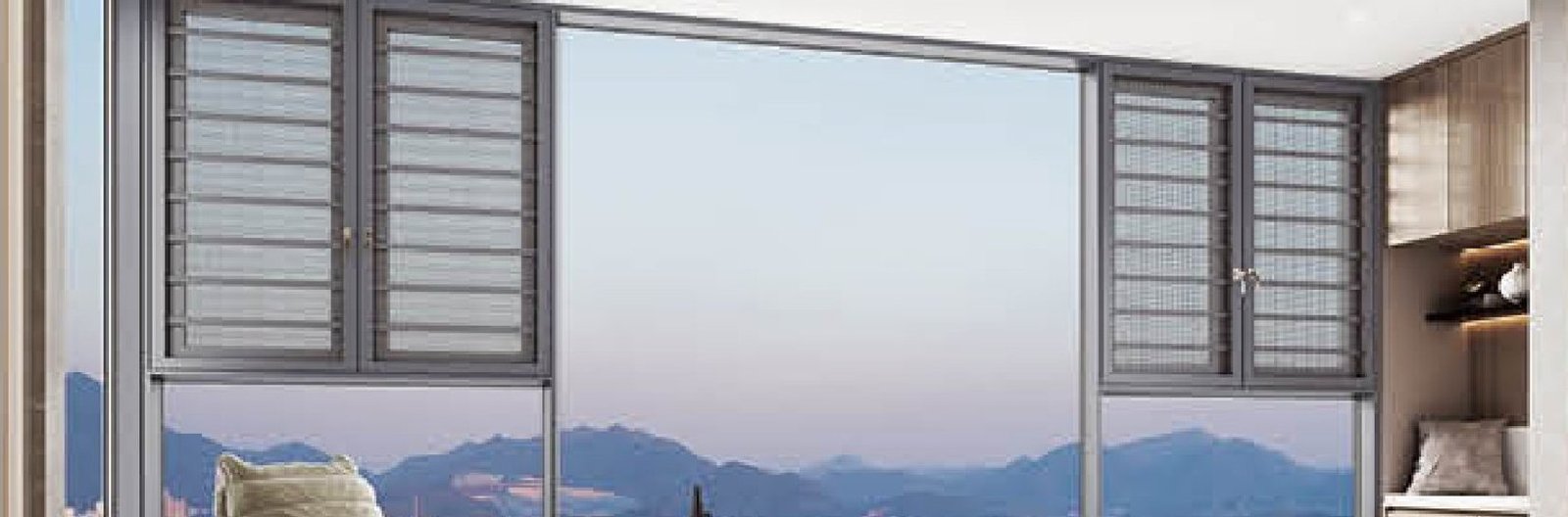
A fixed screen is the simplest and the cheapest, and it suits the window that stays closed to the insects and open to the air — the bedroom in a humid market. A roll-down or retractable screen clears the opening when the view matters and stores out of the way, at the cost of the mechanism and the track. The tropical market usually runs fixed on the small openings and a roll-down on the large, because the large opening is the one the room looks through.
Security mesh, where it is asked for
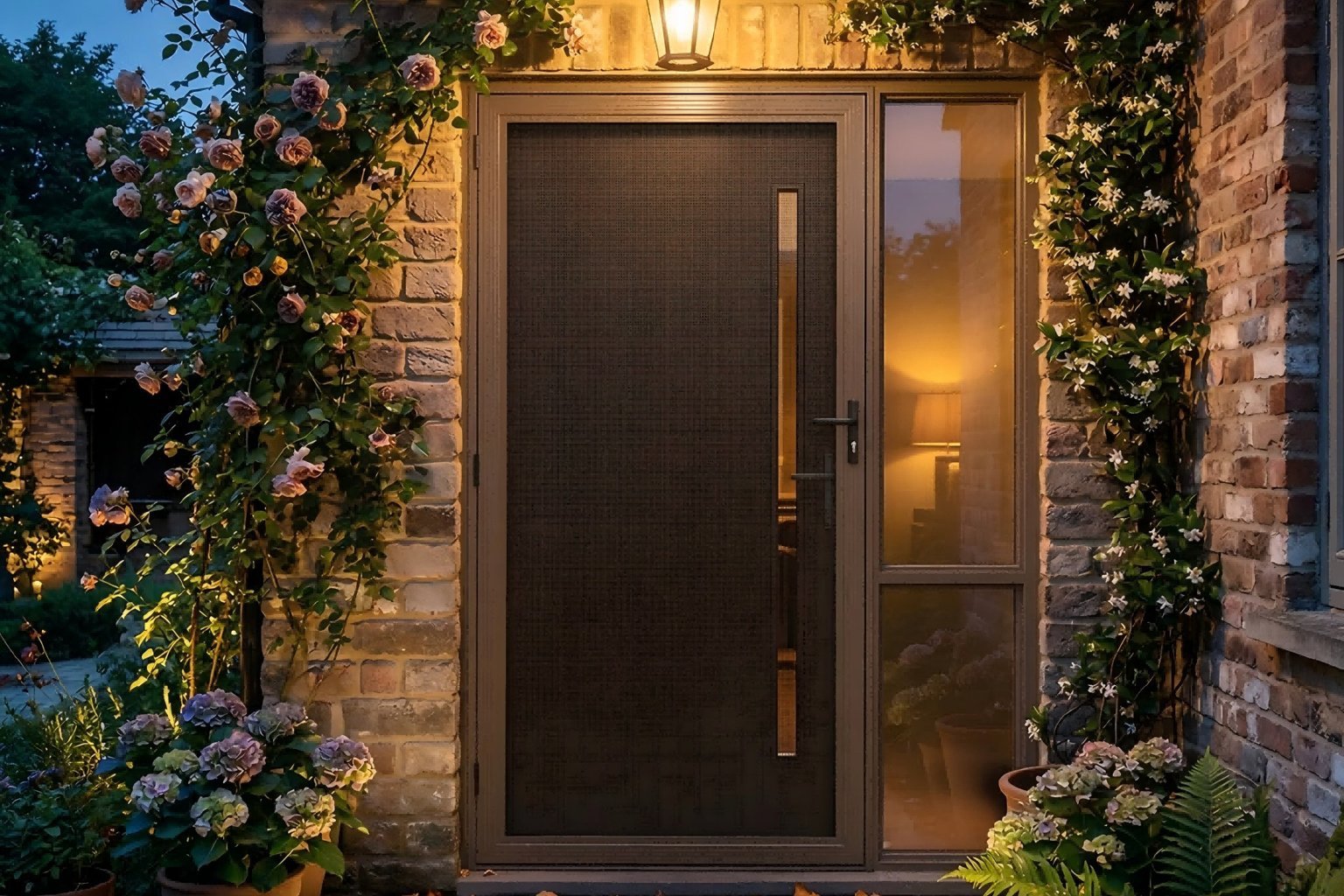
Where the market asks for intrusion resistance as well as insects, the stainless-steel security mesh replaces the insect mesh on the same frame, and the frame and fixings are upgraded to take the load of a forced attempt. The security case is specified as its own line, like the impact case on the glazing, because it changes the mesh, the frame and the fixing — a frame that carries security mesh is not the same frame as the insect screen.

Mesh builds, side by side
| Build | How it works | Where it is specified |
|---|---|---|
| Fixed mesh | A panel in its own frame, inside or out | The default for the residential villa |
| Retractable | The mesh rolls into a side cassette | Where the clean look is the call |
| Security mesh | The harder wire, the smaller aperture | Where the mesh doubles as the deterrent |
What to put on the schedule
- The mesh type per opening: insect, aluminium or stainless security.
- The operation: fixed, roll-down or retractable, per the opening and the elevation.
- The frame and fixing, especially on the security grade, where the load is taken by the fixing.
- The screen as a line item with the window, so the frame arrives prepared for it rather than drilled on site.
The mesh aperture, set by the region
The aperture is the number the screen lives on: it sets the insect exclusion, the airflow and the strength of the mesh in one dimension. The tropical regions carry the fine aperture — the insect load is the design case — and the temperate export lines run the coarser mesh where the airflow is the call. The schedule states the aperture per region, not per project, and the mesh is a specification line with a number on it, which is what makes two quotes for the same opening comparable.
The aperture also sets the hardware: the fine mesh takes the tighter frame section and the closer fixing, and the security mesh takes the steel wire and the heavier frame altogether. When the RFQ states the aperture, the frame and the hardware follow it, and the screen is priced as a line instead of an estimate.
Fixed, retractable, security — the three builds
The build is the second line, and the three covers the market:
- The fixed mesh: a panel in its own frame, inside or out — the default for the villa.
- The retractable: the mesh rolls into a side cassette, where the clean look is the call.
- The security mesh: the harder wire, the smaller aperture, where the mesh doubles as the deterrent.
What the screen line adds to the RFQ
The mesh line is a second column on the window schedule, and the column carries:
- The opening size, per panel — each one is scheduled against the opening, not the room.
- The build per opening: fixed, retractable or security.
- The mesh aperture, stated for the insect load of the region.
- The frame finish, matched to the window line.
- The hardware side, where the retractable unit takes the handle.
The mesh, and the region numbers
The aperture is a number on the schedule, and the region sets it: the tropical load calls the fine mesh, the temperate export line the coarser, and the security application the steel wire at the smallest opening the airflow will take. The number travels with the mesh to the site, and the receiver checks the delivered panel against the aperture on the schedule, which is the line that keeps the two quotes for the same opening comparable.
The mesh also takes the finish: the coating on the wire, the colour matched to the frame line, and the UV stability for the outside face. The barrier is a window component, and it is specified like one.
The delivered panel is checked against the schedule at the gate — the aperture, the wire, the frame line — which is the same document discipline the window itself travels under, and the panel arrives specified, not estimated.
Frequently Asked Questions
Does mesh cut the airflow?
It does, and the mesh sets how much — fibreglass the least, stainless security the most. That is why the mesh is a specification choice, not a default.
Can security mesh go on any window?
It needs a frame and fixings rated for the load, so security mesh is specified as its own line on the frame it is built for, not added to a standard sash.
Should the mesh be ordered with the window?
Yes — the frame is prepared for the screen track and fixing, which is why it is a line item with the window rather than a site addition.
Is the mesh sized to the window or to the opening?
To the opening — the screen list is a second column on the window schedule, sized opening by opening, not a generic fit to the frame.
Does the security mesh cost airflow?
The aperture is smaller, and the airflow drops with it — but the mesh stays an open surface, not a barrier. The trade is stated on the schedule: exclusion, airflow, the deterrent, in that order.