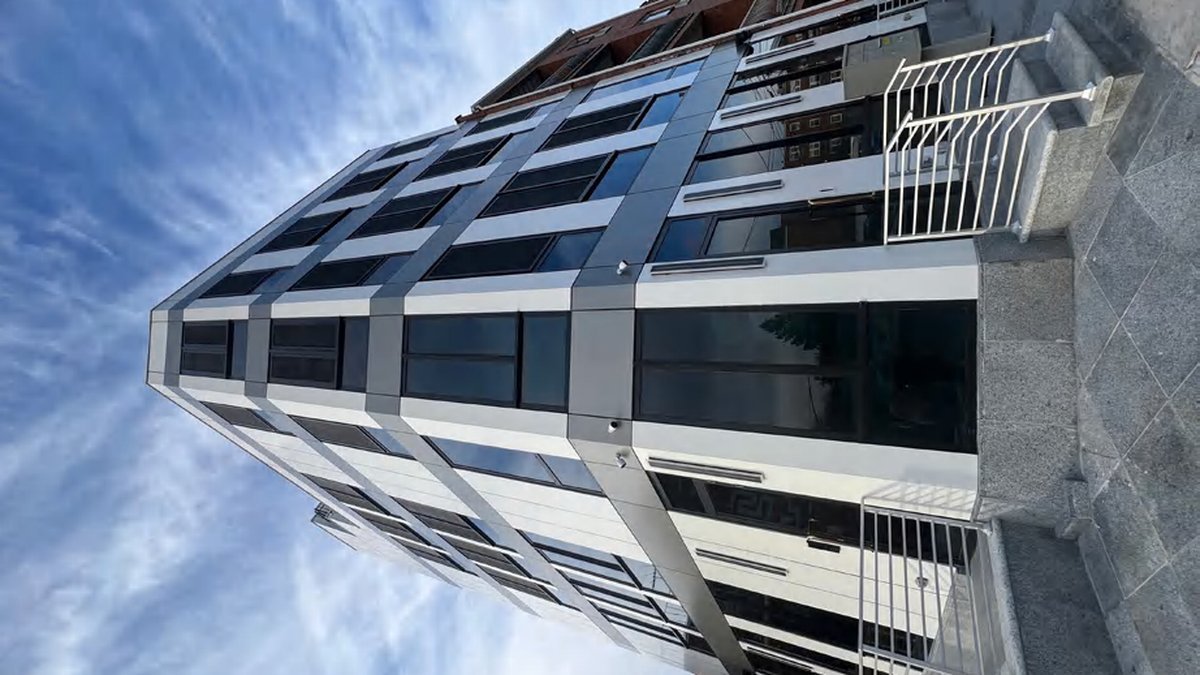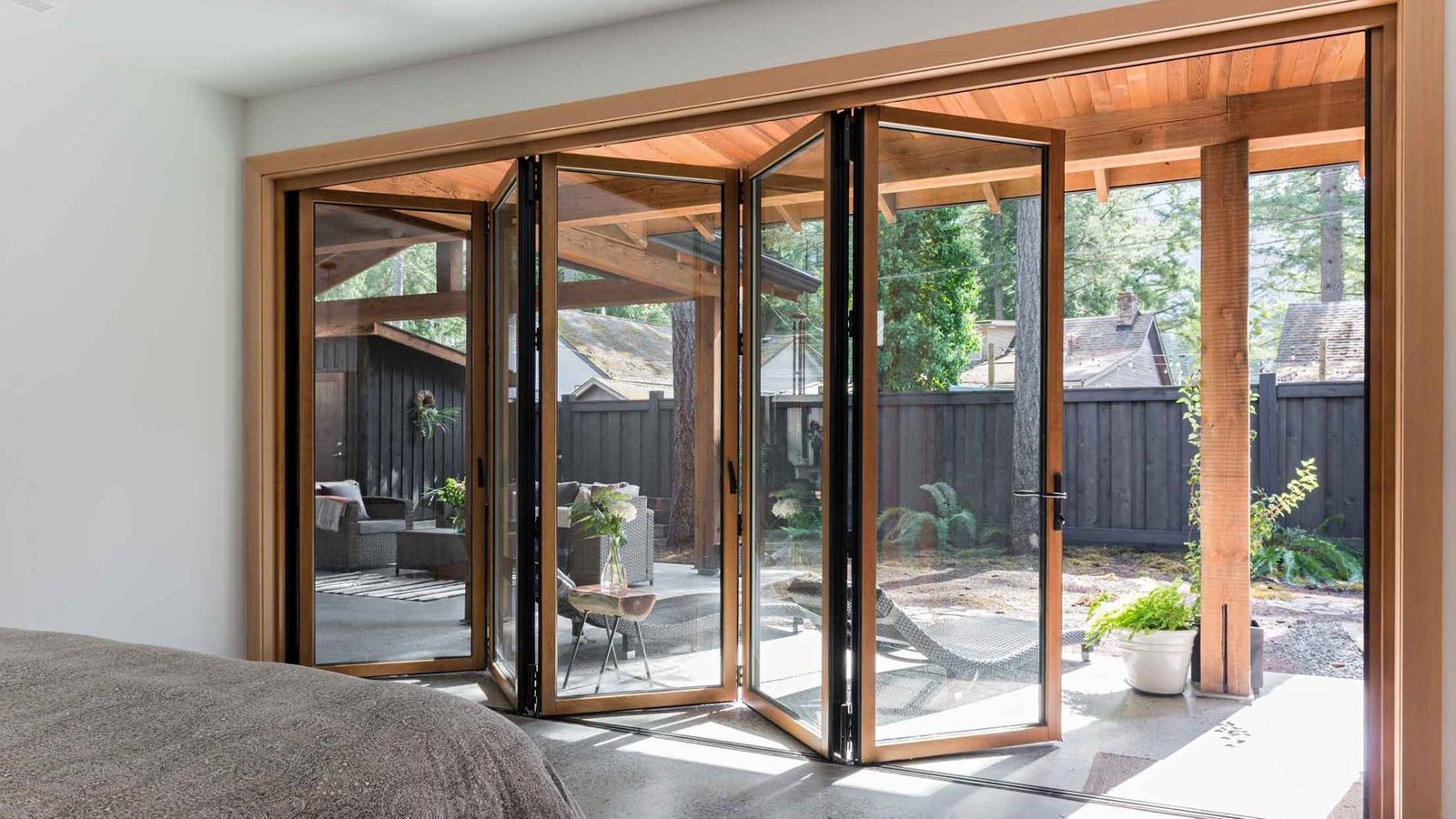

Markets
Windows for Africa: UV, dust and the long haul
Windows for Africa run on three forces: the UV that peaks in the top band of the index on most days, the dust that works into every gasket channel and track, and the long haul that runs from the consolidation port to the site. The specification answers all three — solar-control laminated glass first, the powder line on the exterior, the screens as first-class items, and the crating built for the road leg. On the current range the solar-control schedule runs 35–50 days in production, and the sea leg is typically 25–33 days.
The Africa brief: bright, hot and dusty
The continent is not one climate, but every corner of it runs the same three forces. The UV sits at the top of the index for long parts of the year: at the coast the peak runs 9 to 11 on most days — the very-high and extreme band of the scale — and the interior plateau adds altitude to the same sun. The dust is the second force: fine particulate that the dry-season wind carries across the façade and that settles into every gasket channel, track and mesh. The third is the distance — the sea leg to the consolidation port, and the road leg beyond it, which on several routes can add the same order of distance as the sail.
The windows for Africa schedule answers the forces, not the postcode. The west elevation gets the solar-control line; the gasket and the drainage get the dust spec; the crate gets the road-leg spec. Where the building sits — the coast, the plateau or the dry belt — only changes the mix of the three. The specification logic holds across the continent, which is why the document pack can carry a single schedule into several countries without a split.
UV: the glass first, the finish second
The UV line is carried by the glass before it is carried by the frame. Solar-control laminated low-E is the standard schedule on the west elevations: the laminate adds the break layer the market already expects, and the low-E coating takes the heat line before it reaches the room. The glass build is the first specification on every opening; the frame material and the finish are the second and third. A quotation that leads with the frame on a hot-elevation opening has the order of things wrong, and that is the first line to check on any schedule that arrives.
The finish follows the maintenance reality. On the exterior the powder line is the default for the high-UV, high-dust schedule — the colour is the factory surface, matched to the project before the profile is cut, and the full RAL palette is available rather than a catalogue of ten. Where the maintenance visits are sparse and the building is left to the weather, the anodised line holds up well: the metal surface is the finished surface, and there is no film to delaminate under a UV line that does not ease off for a season.
Dust: what it lands on, and what clears it
Dust does not attack the glass; it attacks the working parts. The gasket channels collect the fine load, the slider track takes the grit that bites the carriage, and the screen mesh is the first filter the opening meets. The specification answers each one: the gasket compression is stated against the dust cycle rather than a single design day, the track runs the purge line that sweeps the channel on the action, and the drainage is sized so the wet season flushes what the dry season loads. On the west belt the dust wind is seasonal and heavy — the fine load arrives in weeks, and the schedule is read against that rhythm rather than against an annual average.
The screen is the first-class item on the African schedule, not the afterthought. This is the insect-load market, where a window that cannot open at night has lost its main function. The mesh aperture is stated per opening, the spline channel is out for re-meshing, and the service kit ships in the crate. The purge vent on the sash is the second air path, and it is specified on the same line as the mesh — the opening works with the screen on and with it off.
The Africa line, element by element
| Force | What it tests | The schedule answer |
|---|---|---|
| UV | The glass, the finish, the gasket line | Solar-control laminated low-E, the powder exterior |
| Dust | The track, the purge vent, the drainage | The gasket compression, the screens as items |
| The sea leg | The consolidation hub, 25–33 days | The per-crate packing list, the loading report |
| The road leg | The distance beyond the port | The crate spec, the corner protection, the desiccant |
| The standard | The configured unit, the report | SANS 222 / 536 where it applies, local elsewhere |
The long haul: the sea leg and the road leg
The Africa route is the longest of the four market lines, and it has two legs. The sea leg runs typically 25–33 days to the consolidation ports — Cape Town, Durban, Mombasa and Dar es Salaam — and the road leg beyond the port adds the distance the crate has to survive. The long haul is the line the windows for Africa quotation must price honestly: the crating is specified for the road leg, with the crate type, the corner protection and the lashing named on the packing list, and the desiccant on the glass rather than on the frame.
The document pack carries the long route the way it carries the short one. The pre-shipment inspection runs with its photo report keyed to the drawing sheet; the per-crate packing list names the protection; and the loading report is the point at which the container closes. On the long route the pre-shipment photo is the check the buyer holds while the container is at sea, and the revised schedule, when it comes, names the phase that moved — the coating line, the glass or the quality gate, not just the number.
Standards across the continent
South Africa runs the standard the market already audits: SANS 222 for the structural and weathertightness line on the configured model, and SANS 536 for the glazing on the project spec sheet. The report is issued per order and per model, not held as a standing certificate — the honest answer is a test reference that travels with the order, and the document pack says so plainly. The configured unit is the unit the report references, and the receiver checks it against the drawing sheet at the port.
Elsewhere on the continent the local regulation of record applies, and the drawing office carries that column on the same schedule: one order, the country columns side by side, and the report that references the configured unit. A windows for Africa order that ships to two countries runs the standard column per country, and the document pack names both — the line that keeps a multi-country development on one schedule rather than two parallel sets of paperwork.
How to specify it on the schedule
- Name the elevation: the west and the low-sun angles carry the solar-control line, stated per opening.
- Put the glass build first on the quotation — the laminate, the low-E coating, then the frame and the finish.
- State the dust spec: the gasket compression, the purge line, the drainage size, the mesh aperture per opening.
- Carry the screens and the service kit as first-class line items, not an allowance.
- Name the road leg: the crate type, the corner protection and the lashing, per the destination beyond the port.
- Set the standard column per country — SANS 222 / 536 where it applies, the local regulation elsewhere.
Frequently Asked Questions
Do windows for Africa need special glass?
The west elevations run the solar-control laminated low-E schedule as the standard: the laminate carries the break layer and the coating takes the heat line. The glass build is the first specification on every opening, ahead of the frame and the finish.
How high does the UV index run on the continent?
At the coast the peak runs 9 to 11 on most days — the very-high to extreme band of the index — and the interior plateau adds altitude to the same sun. The glass and the finish are specified to that line.
What does dust actually do to a window?
It loads the gasket channels, the slider track and the screen mesh. The schedule answers with the gasket compression against the dust cycle, the purge line on the track, the sized drainage, and the screen as a first-class item.
Does South Africa run a standard for windows?
SANS 222 on the structural and weathertightness line and SANS 536 on the glazing — with the report issued per order and per model. Elsewhere on the continent the local regulation of record applies, and the document pack names it.
How long is the full route to the continent?
Typically 25–33 days at sea to the consolidation port, on top of 35–50 days of production on the solar-control schedule — and the crating is specified for the road leg beyond the port, which can add the same order of distance.
Is the powder finish the default on the exterior?
On the high-UV, high-dust schedule, yes — the powder line is the factory colour surface on the exterior. Where the maintenance visits are sparse, the anodised line is the route, because the metal surface is the finished surface.