
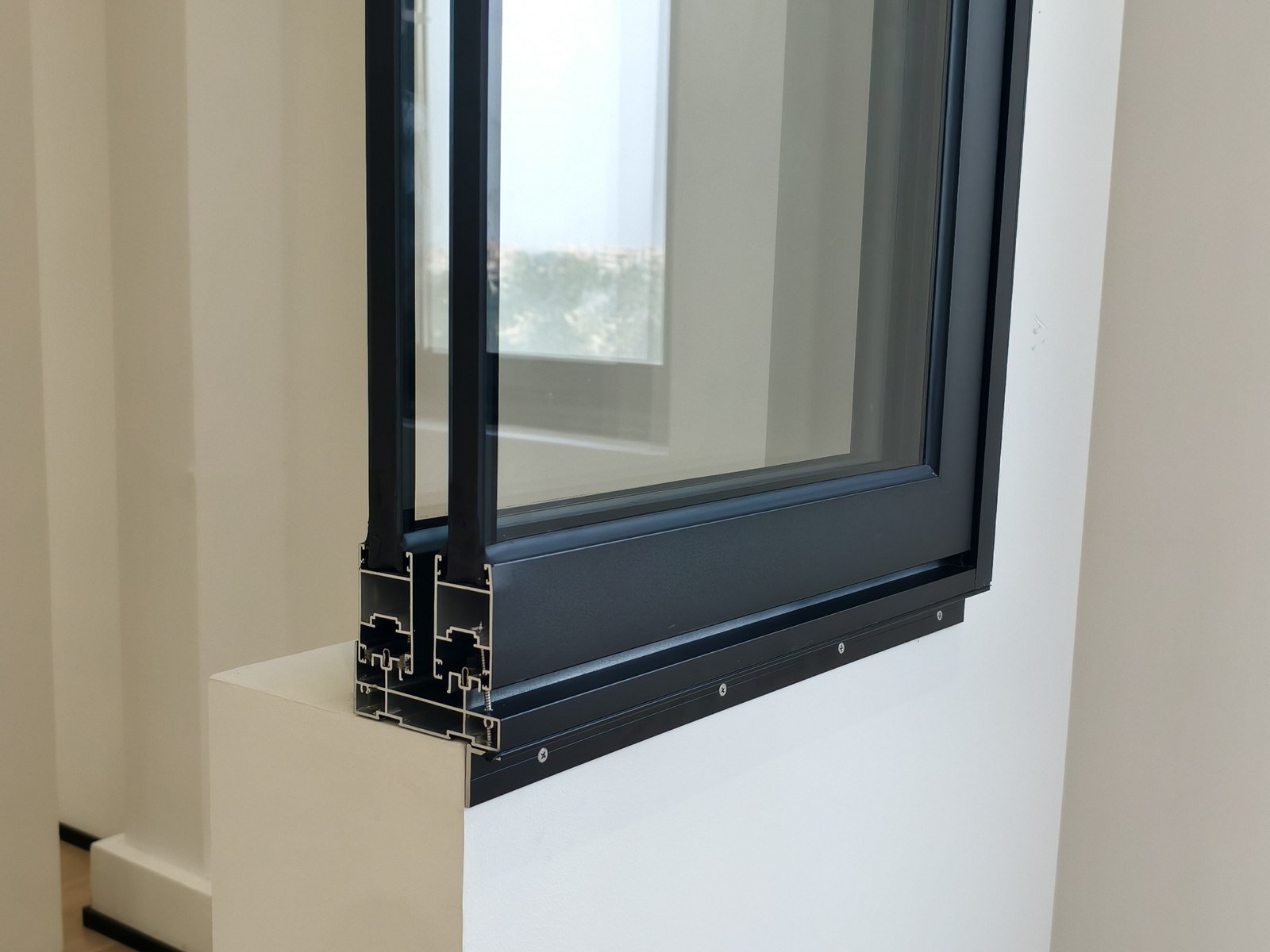
Aluminium windows and doors for Johannesburg, to the SANS chain
Johannesburg sits in climate zone Z1, the cold interior, and the specification runs through the SANS chain rather than around it: SANS 613 for the assembly, SANS 10400-N for the glazing where the trigger zones apply, SANS 10160-3 for the wind action that a competent person determines, and SANS 204 for the energy figure once the fenestration passes the 15 percent of net floor area threshold. The document chain is what the tender asks for, and it is the same chain the page below states.
- SANS 613 (assembly) + SANS 10400-N (glazing) + SANS 10160-3 (wind) + SANS 204 (energy, above the 15 percent fenestration threshold)
- Cape Town / Durban, then the inland road leg to Gauteng
- 40–55 days including the inland leg
The challenge here
A cold-interior climate (Z1) with high UV, wind action that the competent person determines rather than the catalogue, security glazing trigger zones, and an inland leg after the ocean.
How we spec it
- Assembly built to the SANS 613 basis, with the test report for the configured model in the document pack
- Glazing per SANS 10400-N where the trigger zones apply; laminated to SANS 1263-1 in the security-trigger frontages
- Wind action taken from the competent person per SANS 10160-3, the figure the structural design states
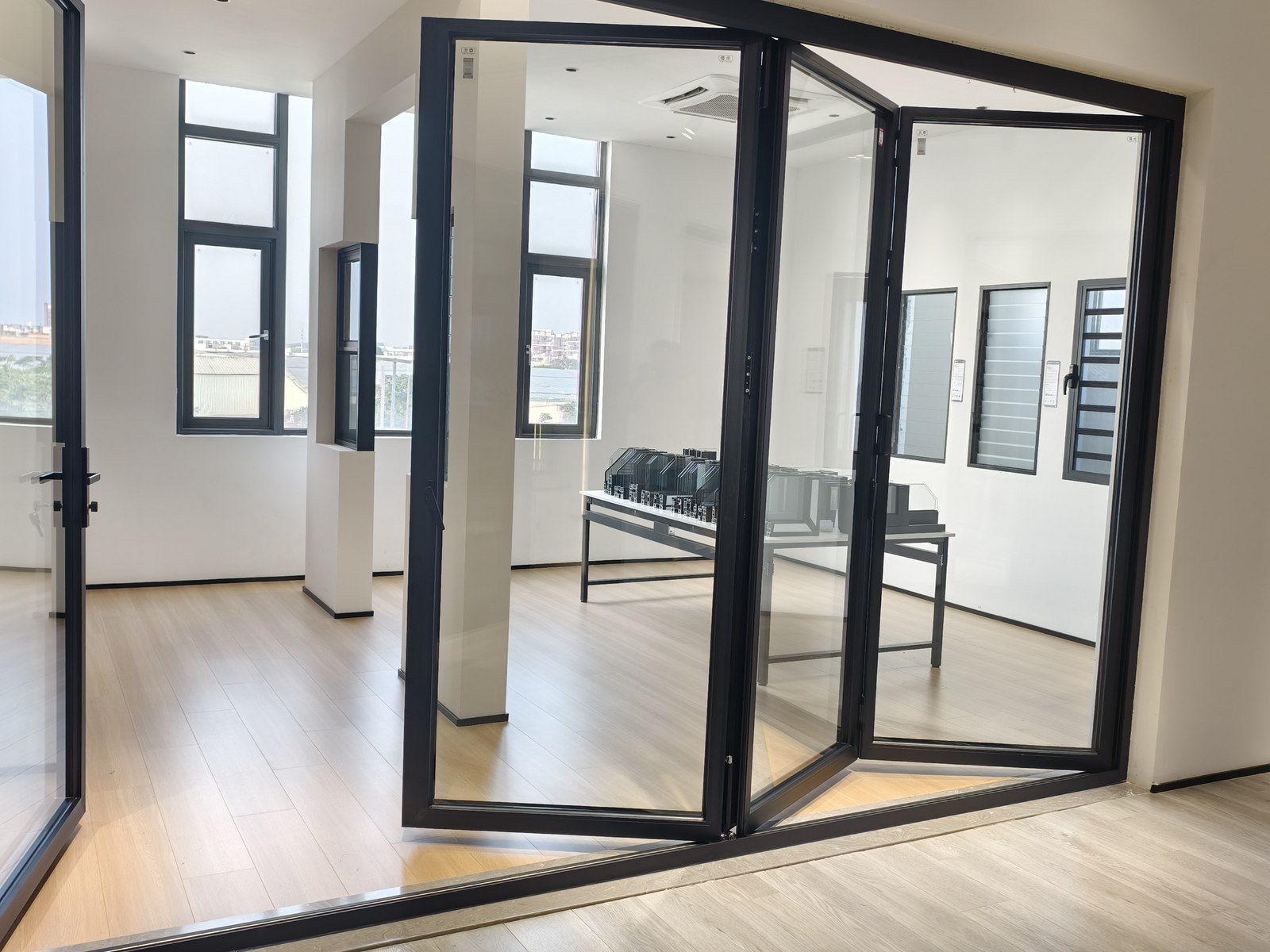
- Tilt-turn, sliding and bi-fold on the 70 and 75 mm platforms, plus the glass railing line for the Z1 terrace
Certification path
The South African document chain runs at three timepoints: at tender, the system supplier performance compliance report or the manufacturer performance test certificate; before construction starts, the test certificate with the SAFIERA energy rating certification and the full manufacturing drawings; at handover, the glass and glazing certificate, the surface finishing certificate, the skylight certificate where applicable, and the SAFIERA certification again. The supplier side of the chain: SANS 613 test reports issued per order and per model, the glazing build per SANS 10400-N, and the wind figure taken from the competent person. The documents ship with the order.
Systems for Johannesburg
All 22 systems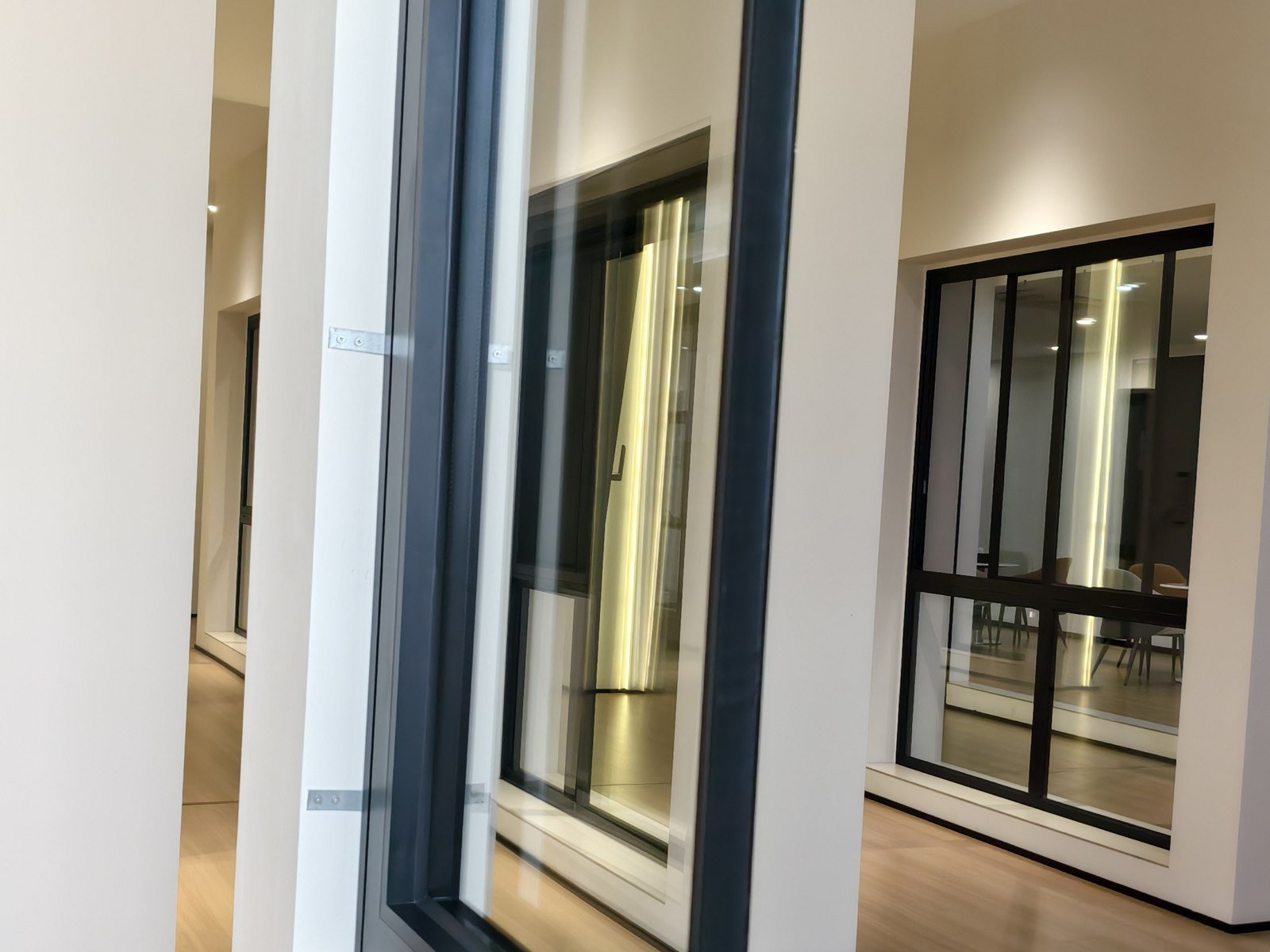
Specifying for Johannesburg
What does the tender ask for, stage by stage?
Three timepoints. At tender: the system supplier performance compliance report or the manufacturer performance test certificate. Before construction starts: the test certificate with the SAFIERA energy rating certification and the full manufacturing drawings. At handover: the glass and glazing certificate, the surface finishing certificate, the skylight certificate where applicable, and the SAFIERA certification again. The supplier documents — the SANS 613 report per order and per model, the glazing build, the drawings — are the half of the chain that ships with the order.
Who determines the wind load on the glazing?
A competent person (structures). SANS 10400-N places the wind action determination with the competent person under SANS 10160-3, and AAAMSA has withdrawn its own wind-load recommendations in view of that. The figure comes from the structural design, not from a catalogue default, and the unit is built to it.
Is the spec the same for Cape Town and Durban as for Johannesburg?
The SANS chain is the same; the inputs differ. Cape Town sits in climate zone Z4 (temperate coastal), Durban in Z5 (subtropical coastal), and Johannesburg in Z1 (cold interior), so the energy figure and the glass build can differ even when the frame platform is identical. The wind figure is per site.
What happens where the security trigger zones apply?
The glazing build changes to the security requirement, laminated per SANS 1263-1, and the frame can carry the integrated grille line so the unit that ships is the unit that is tested. The burglar-proof product page carries the full line.
The Johannesburg line card
Get the line card
Systems, standards, ports and lead times for Johannesburg — plus a contact who has shipped to it before.