

Aluminium windows and doors for California
California asks two questions of a window, and they come from two different codes. The first is thermal: Title 24 sets the envelope performance, and the cooling load on a west or south elevation decides the glass build before anything else. The second only applies inside a fire hazard severity zone, and it changed on 1 January 2026: the wildfire glazing rules moved out of Chapter 7A of the Building Code and into the 2025 Wildland-Urban Interface Code. We build to the energy figure and to whichever of the four WUI glazing paths the site falls under.
- California Energy Code (Title 24, Part 6) + 2025 California Wildland-Urban Interface Code (Title 24, Part 7) + NAFS for structural performance
- Los Angeles / Long Beach
- 30–45 days
The challenge here
Cooling and solar load through west and south glazing across a wide range of climate zones, ember and radiant-heat exposure at the wildland interface, and a code cycle that resets every three years.
How we spec it
- Low-SHGC solar-control and low-E glazing selected per climate zone for the Title 24 envelope
- Thermal-break frames with NFRC-rated U-factor and SHGC values for the compliance calculation
- Wildfire-zone glazing: at least one tempered pane in a multiple-pane unit, or another listed path such as glass block, a 20-minute fire rating or a State Fire Marshal tested assembly
- Lift-slide and panoramic fixed glazing for the indoor-outdoor elevation, on the same platform
Certification path
Energy performance is quoted as NFRC-rated U-factor and SHGC for the configured glass build, against the climate zone at the site. Where the project sits in a fire hazard severity zone, the glazing is specified to one of the four paths the 2025 WUI Code allows, and the assembly that ships is the same one the schedule names. Structural performance follows NAFS with the report issued per configured model.
Systems for California
All 20 systems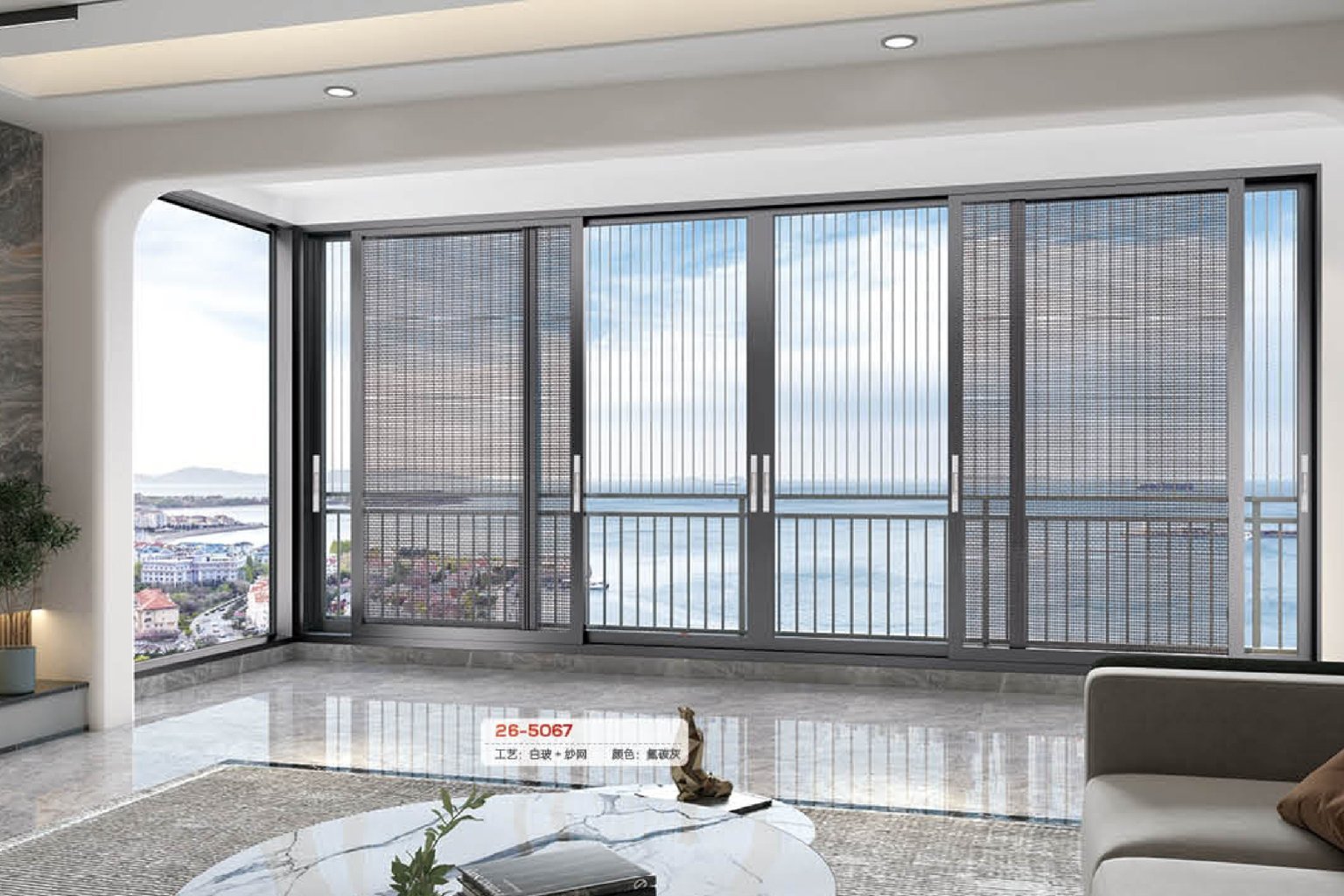
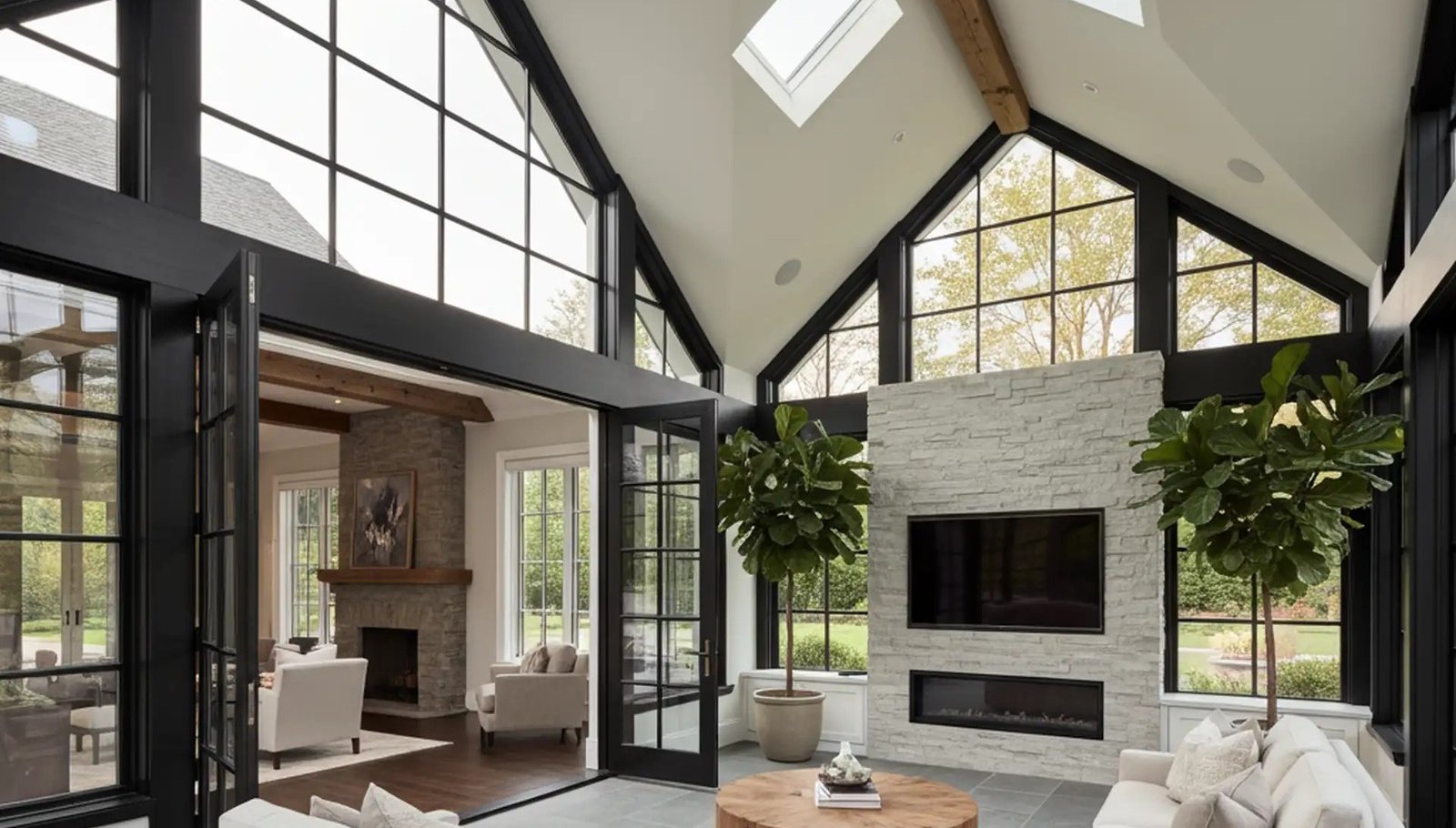
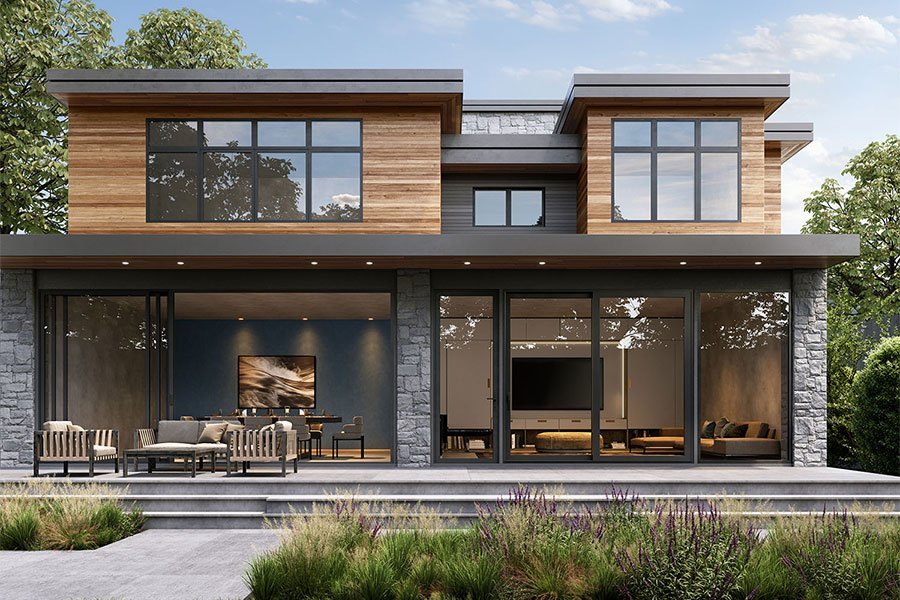
Specifying for California
What glazing does the California wildfire code require?
The 2025 Wildland-Urban Interface Code lists four paths for exterior glazing: a multiple-pane unit with at least one tempered pane, glass block, a 20-minute fire-resistance rating, or an assembly that meets the State Fire Marshal test standard. For a house the first is the practical one, and it is a standard option on the line rather than a special build.
Does Chapter 7A still apply?
Not as the code text. Wildfire-resistant construction now sits in the 2025 California Wildland-Urban Interface Code, Title 24 Part 7, in force since 1 January 2026. Chapter 7A of the Building Code and Section R337 of the Residential Code were removed and now point to it. A specification still citing Chapter 7A is citing a deleted chapter.
How is Title 24 compliance shown for glazing?
Through NFRC-rated U-factor and SHGC values for the glass build actually ordered, assessed against the climate zone at the site. That is why the glass build and the energy rating are quoted as separate lines: the rating has to match the unit, not a family average.
Do California projects need impact glazing?
Not statewide, and this is where California differs from Florida. There is no hurricane or wind-borne-debris impact requirement of the Florida kind. The wildfire requirement is a fire exposure rule, not a missile test, and seismic design is a structural question that sits outside the window rating.
The California line card
Get the line card
Systems, standards, ports and lead times for California — plus a contact who has shipped to it before.